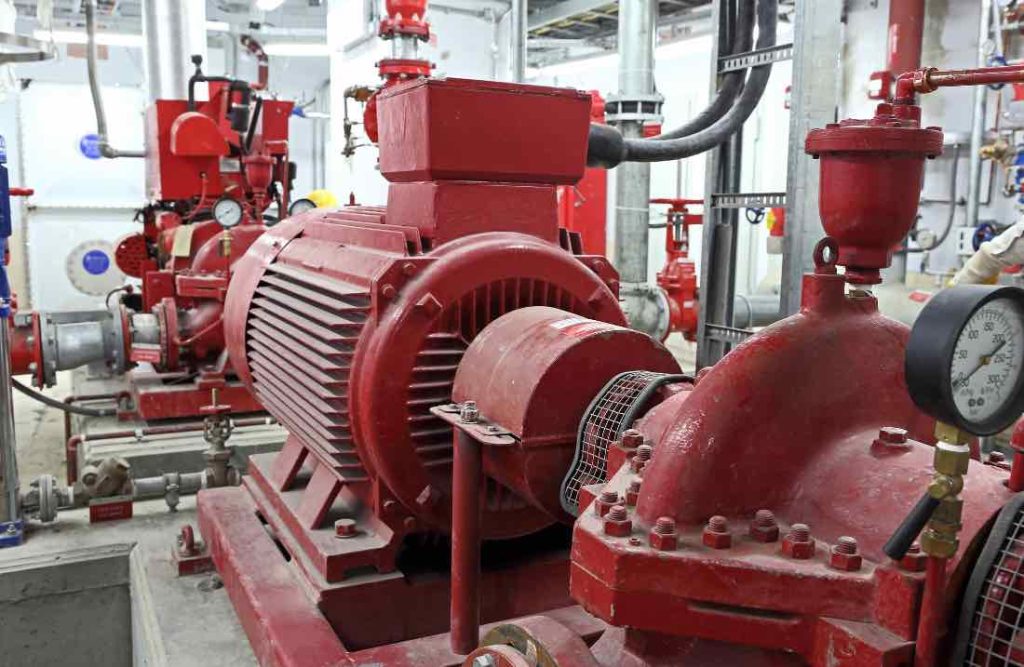
Pumps for Steam Generation
Pumps for Steam Generation are the unsung heroes driving the efficiency of power plants, ensuring the precise movement of water and steam under extreme conditions. Their role extends beyond mere fluid transfer, directly impacting boiler efficiency, turbine reliability, and overall system performance. From Boiler Feedwater Pumps operating at pressures up to 350 bar, to Condensate Pumps handling large volumes of water while minimizing cavitation, and Circulation Pumps maintaining critical flow within evaporators, these machines are tailored for high temperatures, pressures, and varying chemical compositions. To address the complexities of these systems, optimizing Pumps for Steam Generation requires careful consideration of design challenges, including material selection for corrosion and erosion resistance, efficiency optimization through advanced technologies like VFDs and CFD, and cavitation prevention using low-NPSH designs, all while adapting to space and maintenance constraints in modern power plants.
- Introduction
- Importance of Pumps in Steam Generation
- Overview of Pump Types for Steam Generation Systems
- Key Challenges in Pump Design for Steam Applications
- Understanding the Steam Generation Process
- Role of Pumps in Steam Production
- Integration of Pumps with Boilers and Turbines
- Flow and Pressure Demands for Steam Generation
- Types of Pumps Used in Steam Generation Systems
- Boiler Feedwater Pumps
- Condensate Pumps
- Circulation Pumps
- Deaerator Booster Pumps
- Critical Features of Pumps for Steam Generation
- High-Temperature and High-Pressure Resistance
- Corrosion Resistance for Long-Term Operation
- Efficiency Optimization for Steam System Reliability
- Key Design Considerations for Steam-Generation Pumps
- Material Selection for High Durability
- Pump Sizing and Flow Rate Calculation
- Vibration and Noise Reduction in Steam Systems
- Advanced Technologies in Pumps for Steam Generation
- Variable Frequency Drives (VFDs) for Flow Control
- Monitoring and Automation in Steam Pump Systems
- Energy-Efficient Designs and Innovations
- Maintenance and Troubleshooting of Steam Generation Pumps
- Common Pump Failures in Steam Systems and Solutions
- Preventative Maintenance Strategies
- Importance of Monitoring Pump Performance
- Conclusion
- The Critical Role of Pumps in Steam Generation
- Future Trends in Pump Design for Steam Systems
- Choosing the Right Pump for Your Steam Generation Needs
1. Introduction
Importance of Pumps in Steam Generation
Pumps are the unsung heroes of steam generation systems, ensuring the precise movement of water and steam under demanding conditions. Their primary function in steam generation is to maintain the continuous supply and circulation of water at required flow rates and pressures, enabling the boiler to efficiently convert water into steam. This process is critical not only for power generation but also for maintaining the thermal equilibrium of the entire plant.
In power plants, pumps directly impact boiler efficiency, turbine reliability, and overall system performance. For instance, improperly designed or poorly maintained pumps can lead to cavitation, reduced flow rates, or excessive energy consumption, ultimately lowering steam quality and plant output. The pumps used in steam generation systems are tailored for extreme operating conditions, including high temperatures, pressures, and varying chemical compositions of feedwater.
Overview of Pump Types for Steam Generation Systems
The primary pump types involved in steam generation include:
- Boiler Feedwater Pumps (BFPs)
These pumps supply pressurized water to boilers, often operating at high pressures (up to 350 bar in supercritical systems) to overcome the resistance of the boiler and piping network.- Key Materials: Martensitic stainless steels (e.g., ASTM A182 F6a) are commonly used for their high-temperature strength and corrosion resistance. Duplex stainless steels may also be used for enhanced durability in aggressive environments.
- Design Variants: Multistage centrifugal pumps are the standard for feedwater applications, offering high efficiency and the ability to handle elevated pressures.
- Condensate Pumps
These pumps return condensed water from the condenser back to the feedwater system. They operate under relatively low pressure but must handle a large volume of water while minimizing the risk of cavitation.- Key Materials: Austenitic stainless steel grades (e.g., 304 or 316) for corrosion resistance in water with dissolved oxygen.
- Special Features: Condensate pumps often incorporate low NPSH (Net Positive Suction Head) designs to mitigate cavitation in sub-cooled water.
- Circulation Pumps
Used in forced circulation boilers, these pumps ensure adequate water flow through the evaporator sections of the boiler.- Key Materials: Chrome-molybdenum steels (e.g., ASTM A217 WC9) are used for high-temperature applications due to their creep resistance.
- Efficiency Considerations: Horizontal or vertical designs are chosen based on space constraints, with vertical designs often preferred for compact installations.
- Deaerator Booster Pumps
These pumps transfer water from the deaerator to the feedwater pump, often operating under relatively low pressures but with high flow rates.- Key Materials: Cast iron with corrosion-resistant linings for economic performance in moderate operating conditions.
- Advanced Options: Magnetic drive pumps can eliminate the need for seals, reducing maintenance requirements.
Key Challenges in Pump Design for Steam Applications
Designing pumps for steam generation systems requires addressing several unique challenges:
- High-Temperature and Pressure Resistance
Pumps for steam systems must withstand extreme temperatures (often exceeding 200°C) and pressures. Material selection is crucial:- Comparative Analysis: Martensitic steels offer high mechanical strength but can be prone to stress corrosion cracking in high-chloride environments, where duplex or super duplex steels may be better suited.
- Advanced coatings, such as HVOF (High-Velocity Oxy-Fuel) coatings, can enhance wear resistance in critical components like impellers and casings.
- Corrosion and Erosion Resistance
Boiler feedwater often contains dissolved oxygen and other impurities, which can lead to pitting, crevice corrosion, or erosion in pump components.- Material Advances: Super duplex stainless steels (e.g., ASTM A995 Grade 5A) and nickel-based alloys (e.g., Inconel 625) are increasingly used for their superior resistance to aggressive chemical environments.
- Efficiency Optimization
Pumps for steam generation must operate at high efficiencies to minimize energy losses.- Efficiency Ratings: Multistage centrifugal pumps often achieve efficiencies above 85%, but VFDs (Variable Frequency Drives) are being used to optimize performance under varying load conditions.
- Computational Fluid Dynamics (CFD) tools are employed during design to minimize hydraulic losses and turbulence within the pump.
- Cavitation Prevention
Cavitation can lead to impeller damage, loss of efficiency, and unplanned downtime. This challenge is particularly acute in condensate pumps.- Design Solutions: Low-NPSH impellers, double-suction designs, and air extraction systems are used to counteract cavitation risks.
- Space and Maintenance Constraints
Many modern power plants are designed with compact layouts, requiring pumps that deliver high performance within tight spatial envelopes.- Compact Designs: Vertical inline or can-type pumps are often chosen for their space-saving configurations.
- Ease of Maintenance: Cartridge seals and modular designs allow for faster repairs and reduced downtime.
2. Understanding the Steam Generation Process
Role of Pumps in Steam Production
Pumps play a pivotal role in steam production by ensuring the precise and reliable movement of water through the various stages of the steam generation cycle. From feedwater delivery to circulation and condensate recovery, pumps ensure that water and steam are transported at the right flow rates, pressures, and temperatures required for optimal boiler and turbine performance.
- Feedwater Pumps
- Purpose: Feedwater pumps are responsible for supplying water to the boiler at a pressure higher than the boiler operating pressure to ensure efficient heat transfer and steam generation.
- Operating Conditions: These pumps operate at pressures as high as 350 bar in supercritical systems and must handle water temperatures up to 200°C.
- Material Comparison:
- Martensitic Stainless Steels (e.g., ASTM A182 F6a): Excellent high-pressure performance but limited corrosion resistance in high-chloride environments.
- Super Duplex Stainless Steels (e.g., UNS S32750): Superior corrosion resistance and durability under aggressive water chemistries but are more expensive than martensitic grades.
- Circulation Pumps
- Purpose: In forced circulation boilers, these pumps maintain consistent water flow through the evaporator, ensuring even heat distribution and preventing localized overheating.
- Design Considerations: Pumps for this application must be designed to handle saturated or subcooled water under high-pressure conditions. Chrome-molybdenum steels (e.g., ASTM A217 WC9) are often used for their strength at elevated temperatures.
- Condensate Pumps
- Purpose: Condensate pumps return condensed water from the condenser to the feedwater system, minimizing water losses and improving system efficiency.
- Special Features: These pumps often feature low NPSH impellers to prevent cavitation, a common issue when handling water at near-saturation temperatures.
- Materials: Austenitic stainless steels like 316L are commonly used for their excellent corrosion resistance, especially in oxygenated environments.
Integration of Pumps with Boilers and Turbines
Pumps serve as the critical connection point between boilers and turbines, ensuring the continuous flow of water and steam required for efficient power generation. Their integration must consider not only mechanical and thermal compatibility but also system dynamics.
- Boiler Integration
- Challenges: Boilers require precise control of feedwater flow to avoid issues like thermal shock, scaling, and overheating. Pumps with variable flow capabilities are essential to match the fluctuating steam demands of the plant.
- Advanced Solutions: The use of variable frequency drives (VFDs) allows feedwater pumps to adjust flow rates dynamically, reducing energy consumption during low-demand periods.
- Turbine Integration
- Condensate Recovery: Turbines produce significant amounts of condensate that must be efficiently recovered and reintroduced into the feedwater cycle. Condensate pumps with sealless designs (e.g., magnetic drive pumps) are increasingly used to reduce maintenance and minimize leakage.
- High-Pressure Requirements: Boiler feed pumps must deliver water at pressures exceeding turbine inlet pressures to ensure consistent steam supply. Multistage centrifugal pumps, with their ability to generate high heads, are standard for this purpose.
- System-Level Dynamics
- Pumps must maintain synchronization with boilers and turbines to avoid system imbalances. For example, a mismatch between feedwater flow and steam demand can result in pressure fluctuations, affecting turbine performance. Integrated monitoring systems that link pump operations with boiler and turbine controls are critical for seamless integration.
Flow and Pressure Demands for Steam Generation
The flow and pressure demands of pumps in steam generation systems are dictated by plant size, boiler design, and operating conditions. Accurate sizing and performance optimization are essential to ensure efficiency and reliability.
- Flow Requirements
- Feedwater Flow: For a 600 MW plant, typical feedwater flow rates can exceed 2000 tons per hour, requiring pumps with precise flow control to handle such high volumes.
- Circulation Flow: Forced circulation systems may require flow rates several times higher than the feedwater flow to ensure even heat distribution, often exceeding 5000 tons per hour in large boilers.
- Pressure Requirements
- Subcritical Boilers: Feedwater pumps must operate at pressures between 100–200 bar.
- Supercritical and Ultra-Supercritical Boilers: Operating pressures can exceed 350 bar, demanding advanced pump designs with minimal hydraulic losses.
- Condensate Pumps: These operate at much lower pressures, typically around 3–10 bar, but must handle large volumes of water at low suction pressures.
- Dynamic Load Conditions
- Steam generation systems experience significant variations in load, especially in plants designed for peaking power. Pumps must respond rapidly to changes in flow and pressure demands without compromising efficiency.
- Key Solution: Pumps equipped with VFDs and advanced control systems can dynamically adjust their performance to meet fluctuating plant requirements.
3. Types of Pumps Used in Steam Generation Systems
Boiler Feedwater Pumps
Boiler feedwater pumps are critical for delivering water to the boiler under the required high-pressure conditions. These pumps must handle water temperatures approaching saturation, resist cavitation, and maintain efficiency under varying load conditions.
- Design and Materials
- Multistage Centrifugal Pumps: These are the most common type used for feedwater applications due to their ability to generate high heads (up to 400 bar for ultra-supercritical plants).
- Materials:
- Chrome-Molybdenum Steels (e.g., ASTM A217 WC6, WC9): High strength and thermal resistance, commonly used for high-temperature sections.
- Super Duplex Stainless Steels (e.g., UNS S32760): Excellent for resisting pitting and stress corrosion cracking, ideal in oxygenated feedwater systems.
- Advanced Features
- Hydrodynamic Bearings: Improve the durability of the pump under high-pressure and high-load conditions.
- Wear Rings: Often made from composites or hard alloys like stellite to reduce wear and enhance efficiency.
- Variable Speed Drives (VSDs): Reduce energy consumption by adjusting pump speed to match system demand.
- Comparisons
- Barrel-Type Pumps vs. Ring Section Pumps: Barrel-type pumps are preferred for high-pressure applications due to their ability to handle extreme conditions, whereas ring section pumps are more cost-effective for medium-pressure applications.
Condensate Pumps
Condensate pumps play a crucial role in returning condensed steam to the feedwater cycle, ensuring minimal water loss and improving system efficiency.
- Design and Materials
- Vertical Multistage Pumps: Commonly used due to their compact footprint and ability to handle low NPSH conditions.
- Materials:
- Austenitic Stainless Steel (e.g., 316L): Ideal for its corrosion resistance in oxygenated condensate.
- Ni-Al Bronze Alloys: Sometimes used for impellers to resist erosion and corrosion in high-flow applications.
- Low NPSH Designs
- Cavitation is a significant challenge for condensate pumps due to low suction pressures. Pumps are often designed with enlarged eye impellers and advanced hydraulic profiles to minimize cavitation risk.
- Comparisons
- Sealless Pumps vs. Mechanical Seal Pumps: Sealless designs, such as magnetic drive pumps, eliminate the need for seals, reducing maintenance costs and eliminating leak risks, though they are more expensive upfront.
Circulation Pumps
Circulation pumps are used in forced circulation boilers to maintain the consistent flow of water through the evaporator section. These pumps are crucial for preventing hot spots and ensuring efficient heat transfer.
- Design and Materials
- Axial Flow Pumps: Often used in applications requiring large flow rates at relatively low heads.
- Materials:
- High-Performance Alloys (e.g., Inconel 625): Excellent for resisting high-temperature corrosion and oxidation.
- Cast Iron (with protective coatings): Economical option for low-stress environments.
- Unique Requirements
- Circulation pumps must handle water at near-boiling temperatures without vaporization, requiring advanced hydraulic designs and cavitation-resistant materials.
- Pumps may also incorporate dual-volute casings to balance radial forces and minimize wear on bearings.
- Comparisons
- Single-Stage vs. Multistage Designs: Single-stage pumps are sufficient for low-head applications, while multistage designs are required for high-head systems, especially in large utility boilers.
Deaerator Booster Pumps
Deaerator booster pumps are responsible for transferring deaerated feedwater from the deaerator to the main boiler feedwater pump. Their role is critical in ensuring the reliability of the feedwater supply to the boiler.
- Design and Materials
- Horizontal Split-Case Pumps: Preferred for their ease of maintenance and ability to handle moderate pressures.
- Materials:
- Carbon Steel (e.g., ASTM A216 WCB): Frequently used for the casing in low-oxygen environments.
- Stainless Steel (e.g., 304, 316): Used in systems with higher corrosion risks or oxygenated water.
- Flow and Pressure Characteristics
- Booster pumps typically operate at moderate pressures, around 30–60 bar, and must provide stable flow to the main feedwater pumps.
- Pumps with double-suction impellers are often employed to ensure smooth and efficient operation.
- Comparisons
- Single-Stage vs. Multistage Designs: Single-stage booster pumps are often sufficient for smaller systems, while multistage designs are necessary for high-pressure systems in larger plants.
Pump types in details
Boost power plant efficiency & reliability with this comprehensive guide to pump types. Learn how to choose the right pump for your specific needs, from centrifugal to positive displacement options. Avoid costly downtime and maximize ROI.
4. Critical Features of Pumps for Steam Generation
High-Temperature and High-Pressure Resistance
Pumps for steam generation operate in extreme thermal and pressure conditions, especially in systems like supercritical and ultra-supercritical power plants. These systems demand robust materials and innovative designs to ensure consistent performance.
- Materials for High-Temperature Applications
- Chrome-Molybdenum Steels (e.g., ASTM A217 WC9, WC11): Widely used for high-pressure casing due to their excellent creep strength and thermal resistance.
- Nickel-Based Alloys (e.g., Inconel 718, Hastelloy C276): Utilized for critical internal components such as impellers, diffusers, and shafts, as these alloys resist deformation at temperatures exceeding 600°C.
- Ceramic Coatings: Applied to surfaces to reduce heat absorption and extend the lifespan of components exposed to direct thermal stress.
- Design Features for Pressure Handling
- Multistage Configurations: Essential for applications requiring heads up to 400 bar. These designs distribute the pressure load across multiple impellers to prevent component failure.
- Thick-Walled Casings: Reduce the risk of rupture in high-pressure environments. Some designs include pressure equalizing systems to further balance loads.
- Thermal Expansion Joints: Minimize the impact of thermal stresses on the pump casing and internal components.
- Comparisons
- Split-Case vs. Barrel-Type Pumps: Barrel-type pumps are more suited for extremely high pressures and temperatures, offering better sealing and minimal leakage, while split-case pumps are more cost-effective for moderate conditions.
Corrosion Resistance for Long-Term Operation
Corrosion is a critical challenge for pumps handling feedwater, condensate, and other steam generation fluids, which often contain dissolved oxygen, CO₂, and trace contaminants. Selecting the right materials and coatings is vital to extending pump life.
- Material Selection
- Super Duplex Stainless Steel (e.g., UNS S32750): Combines high strength with superior resistance to pitting and stress corrosion cracking, making it ideal for oxygenated feedwater.
- Austenitic Stainless Steels (e.g., 316L): Commonly used in condensate pumps due to excellent resistance to general corrosion and good weldability.
- Ni-Al Bronze Alloys: Suitable for impellers and wear rings in low-oxygen environments, providing good resistance to erosion and corrosion.
- Protective Coatings and Treatments
- Thermal Spray Coatings: Such as tungsten carbide or chromium oxide, are applied to pump components to resist wear and chemical attack.
- Electropolishing: Enhances the corrosion resistance of stainless steel surfaces by removing surface impurities.
- Epoxy-Based Coatings: Used on casings in non-critical areas to provide an economical layer of protection.
- Comparisons
- Solid Alloy vs. Coated Materials: Solid alloy components are more durable but costly, while coated materials can provide similar protection at a lower initial investment.
Efficiency Optimization for Steam System Reliability
Energy efficiency is critical for pumps in steam generation, given their continuous operation and high energy demands. Pumps must be designed to deliver optimal flow and pressure with minimal energy input.
- Hydraulic Design Innovations
- High-Efficiency Impellers: Modern designs include 3D profiles optimized through computational fluid dynamics (CFD) to reduce hydraulic losses.
- Diffuser and Volute Optimization: Custom-designed volutes and diffusers minimize energy losses and improve overall pump efficiency.
- Tight Clearances: Advanced wear rings made from materials like PTFE composites or hardened stainless steel reduce internal recirculation and maintain efficiency over time.
- Energy-Saving Features
- Variable Frequency Drives (VFDs): Enable real-time adjustment of pump speed to match system demand, significantly reducing energy consumption during low-load conditions.
- Magnetic Bearings: Reduce friction and wear, improving mechanical efficiency and lowering maintenance costs.
- Sealless Designs: Magnetic drive pumps eliminate the energy losses associated with mechanical seals and reduce maintenance requirements.
- Efficiency Comparisons
- Single-Stage vs. Multistage Pumps: While single-stage pumps are generally more efficient for low-head applications, multistage pumps are indispensable for high-head systems due to their ability to maintain efficiency across a range of pressures.
- Standard Efficiency vs. High-Efficiency Motors: High-efficiency motors, such as IE4-rated motors, reduce overall energy consumption, especially in pumps with long operating hours.
5. Key Design Considerations for Steam-Generation Pumps
Material Selection for High Durability
Steam-generation pumps operate in harsh environments, where exposure to high temperatures, high pressures, and chemically aggressive fluids is common. The choice of materials plays a pivotal role in ensuring the durability and reliability of these pumps over extended periods.
- Casing and Impeller Materials
- Super Duplex Stainless Steel (e.g., UNS S32760): Offers exceptional resistance to stress corrosion cracking, pitting, and erosion, making it ideal for high-temperature and high-pressure steam applications.
- Nickel Alloys (e.g., Inconel 625, Hastelloy C276): Often used in components exposed to extreme thermal cycles or corrosive environments, particularly in systems with high levels of dissolved oxygen or CO₂.
- Cast Chrome Steel (e.g., ASTM A532): Excellent for wear resistance in high-flow systems where erosion is a concern.
- Wear Rings and Bearings
- Composite Materials: Advanced composites like carbon-reinforced PTFE or PEEK are commonly used for wear rings, as they reduce internal leakage and resist damage from particulate contamination.
- Ceramic Bearings: Provide superior thermal and chemical resistance compared to traditional steel bearings, making them suitable for high-duty applications.
- Sealing Systems
- Mechanical Seals with Silicon Carbide Faces: These provide excellent thermal resistance and are less prone to cracking under thermal shock.
- Magnetic Drive Pumps: Sealless designs eliminate leakage and reduce maintenance requirements, particularly in systems where contamination control is critical.
Pump Sizing and Flow Rate Calculation
Accurate pump sizing is critical to ensure efficient operation and system reliability. Oversized pumps lead to energy inefficiencies, while undersized pumps can cause cavitation, wear, and premature failure.
- Key Parameters for Sizing
- Flow Rate: Defined by the boiler’s steam generation rate and feedwater requirements, typically measured in liters per second (L/s) or gallons per minute (GPM). For example, a 500 MW power plant might require a pump capable of delivering up to 2000 GPM at full load.
- Head Requirements: High-pressure systems, such as supercritical boilers, require pumps capable of delivering heads exceeding 300 bar.
- Net Positive Suction Head (NPSH): Ensuring sufficient NPSH available (NPSHa) to avoid cavitation is critical, particularly in condensate and feedwater applications.
- Calculation Example
- For a boiler requiring 50 kg/s of steam, and assuming feedwater is preheated to 120°C, the pump must account for both static head and dynamic losses due to piping and heat exchangers.
- Engineers often use tools like CFD models or software like Pump-FLO to optimize pump sizing based on these parameters.
- Comparisons
- Single-Stage vs. Multistage Pumps: Multistage pumps are preferred for high-head, high-flow applications, as they allow for the distribution of head across multiple stages without requiring excessive motor power.
- Horizontal vs. Vertical Pumps: Vertical designs are advantageous in space-constrained setups, while horizontal designs offer easier maintenance and inspection.
Vibration and Noise Reduction in Steam Systems
Vibration and noise are critical concerns in steam-generation systems, as they not only reduce pump efficiency but also accelerate wear on components and negatively impact the overall system lifespan.
- Sources of Vibration
- Hydraulic Imbalances: Often caused by uneven flow distribution or cavitation.
- Mechanical Imbalances: Resulting from improper alignment of shafts, impellers, or bearings.
- Pressure Pulsations: Especially common in positive displacement pumps due to their pulsating flow patterns.
- Mitigation Strategies
- Precision Balancing of Impellers: Using advanced CNC machining to achieve tolerances below 0.01 mm, reducing hydraulic and mechanical imbalances.
- Damping Systems: Installing vibration-damping mounts or baseplates with elastomeric or spring isolators to absorb mechanical vibrations.
- Cavitation Prevention: Ensuring proper NPSH margins and using inducer impellers to smooth flow at the suction side of the pump.
- Acoustic Insulation: Enclosing pumps in soundproof housings lined with composite materials such as mass-loaded vinyl to minimize noise transmission.
- Monitoring and Diagnostics
- Vibration Sensors: Piezoelectric accelerometers can detect early signs of wear or imbalance.
- Noise Level Monitoring: Regular dB level checks using sound level meters to identify anomalies.
- Thermographic Analysis: Detects overheating in bearings or seals due to misalignment or excessive vibration.
- Comparisons
- API 610 vs. ISO 13709 Standards: While both provide guidelines for pump vibration limits, API 610 specifies stricter requirements for the oil and gas sector, ensuring pumps operate reliably in critical systems.
- Elastomeric vs. Spring Isolators: Elastomeric isolators are cost-effective for general vibration damping, whereas spring isolators offer better performance in high-frequency vibration scenarios.
Pump types Deep dive
Selecting the right pump types for your power plant is critical for optimal performance, efficiency, and reliability. This guide will delve into the diverse world of pump types commonly used in power plants, exploring their characteristics, applications, and considerations for selection. By understanding the unique advantages and limitations of different pump types, you can make informed decisions that maximize your power plant’s output while minimizing operational costs and environmental impact.
6. Advanced Technologies in Pumps for Steam Generation
Variable Frequency Drives (VFDs) for Flow Control
Variable Frequency Drives (VFDs) are revolutionizing the operation of pumps for steam generation, offering precise control over pump speed and energy consumption. By modulating the frequency and voltage supplied to the pump motor, VFDs adjust the flow rate and pressure in real time, eliminating inefficiencies associated with traditional fixed-speed pumps.
- Benefits of VFD Integration
- Energy Savings: Pumps typically operate below their maximum capacity for much of their lifecycle. VFDs optimize energy consumption by reducing pump speed during low-demand periods, yielding energy savings of up to 50%.
- Improved Process Control: VFDs enable seamless adaptation to fluctuating steam demands, maintaining consistent feedwater flow and pressure, which is critical for boiler stability and turbine efficiency.
- Reduced Mechanical Stress: Gradual acceleration and deceleration of pumps minimize water hammer effects and reduce wear on components such as impellers, seals, and bearings.
- Material and Compatibility Considerations
- Motors integrated with VFDs should use Class F insulation materials to withstand temperature rises caused by variable-speed operation.
- Bearings should be equipped with shaft grounding rings (e.g., AEGIS rings) to prevent electrical discharge damage caused by stray currents from VFDs.
- Comparative Analysis
- VFDs vs. Control Valves: Traditional flow regulation via control valves dissipates excess energy as heat, leading to inefficiencies. In contrast, VFDs directly reduce energy input, making them the superior choice for dynamic systems.
- Centralized vs. Distributed VFD Systems: Centralized VFD control for a pump network offers cost efficiency and simplified maintenance, whereas distributed systems provide localized control and greater flexibility in complex configurations.
Monitoring and Automation in Steam Pump Systems
The adoption of Industrial Internet of Things (IIoT) and automation technologies is enabling smarter, more reliable pump systems in steam generation applications.
- Advanced Monitoring Solutions
- Vibration Analysis: Sensors such as MEMS accelerometers continuously monitor pump vibration, providing real-time data on mechanical integrity.
- Pressure and Flow Sensors: High-accuracy sensors (e.g., piezoresistive or ultrasonic) ensure optimal performance by detecting deviations in flow rates and pressure.
- Smart Seals: Intelligent sealing systems with embedded sensors monitor wear, temperature, and leakage, enabling predictive maintenance.
- Automation Features
- Predictive Maintenance Algorithms: IIoT-enabled systems leverage machine learning to predict failures based on historical and real-time data, reducing unplanned downtime.
- Remote Monitoring: SCADA systems with cloud connectivity allow engineers to oversee pump performance and make adjustments remotely. For example, integrated platforms like Siemens SIMATIC or Honeywell Experion are widely used in large-scale plants.
- Self-Adjusting Systems: Automated feedback loops adjust pump performance based on boiler and turbine demands, ensuring stable steam generation under varying loads.
- Comparative Technologies
- Legacy Monitoring vs. IIoT Systems: Traditional systems rely on periodic manual inspections, whereas IIoT-enabled pumps provide continuous monitoring and instant fault detection, significantly improving response times.
- Standalone Systems vs. Fully Integrated Platforms: Fully integrated systems combine pump, boiler, and turbine data for holistic optimization, while standalone systems may miss cross-system inefficiencies.
Energy-Efficient Designs and Innovations
The push for greener energy solutions has driven innovations in pump design, focusing on minimizing energy consumption and environmental impact.
- Hydraulic Efficiency
- Advanced Impeller Designs: Impellers with optimized blade profiles, such as backward-curved or mixed-flow designs, reduce hydraulic losses and improve efficiency. Computational Fluid Dynamics (CFD) modeling is used extensively to refine these designs.
- Coatings and Surface Treatments: Applying anti-fouling coatings (e.g., ceramic-reinforced epoxies) on impellers and casings minimizes surface roughness and resists scaling, preserving efficiency over time.
- Thermal Efficiency
- Heat Recovery Systems: Pumps equipped with heat recovery units use waste heat to preheat feedwater or drive auxiliary systems, enhancing overall plant efficiency.
- Low-Temperature Operation Materials: For systems with cooling pumps, materials like duplex stainless steel or titanium prevent efficiency loss in sub-zero environments.
- Emerging Innovations
- Magnetic Drive Pumps: These sealless pumps eliminate energy losses from shaft seals and prevent leakage, making them ideal for high-purity applications.
- High-Efficiency Motors: Motors with IE4 or IE5 efficiency classifications reduce energy consumption compared to standard designs.
- Additive Manufacturing (3D Printing): 3D-printed impellers and casings allow for highly customized designs and lighter components, enhancing both performance and energy efficiency.
- Comparative Metrics
- Efficiency vs. Lifecycle Cost: While high-efficiency designs may have higher upfront costs, their reduced operational expenses justify the investment over the pump’s lifecycle.
- Traditional Pumps vs. High-Efficiency Pumps: Retrofitting existing systems with high-efficiency pumps can result in energy savings of 10–20%, even in older plants.
7. Maintenance and Troubleshooting of Steam Generation Pumps
Common Pump Failures in Steam Systems and Solutions
Steam generation pumps operate under demanding conditions, making them prone to specific types of failures. Recognizing and addressing these issues promptly is crucial for minimizing downtime and ensuring reliable operation.
- Cavitation
- Cause: Cavitation occurs when the local pressure in the pump drops below the vapor pressure of the liquid, forming vapor bubbles that collapse violently. This is common in boiler feedwater pumps with inadequate Net Positive Suction Head (NPSH).
- Solution:
- Ensure adequate NPSH by increasing the suction head or reducing fluid temperature.
- Use impellers with cavitation-resistant materials such as duplex stainless steel or nickel-based alloys (e.g., Inconel).
- Install air separators or deaerators upstream to remove entrained air.
- Sealing Failures
- Cause: High pressures and temperatures in steam systems accelerate seal wear, leading to leakage. This is particularly problematic with mechanical seals exposed to thermal cycling.
- Solution:
- Upgrade to split mechanical seals for easier replacement.
- Use seals made from carbon-graphite composites for high-temperature resistance.
- Incorporate seal flush systems to cool and lubricate seals effectively.
- Bearing Failures
- Cause: Improper lubrication, misalignment, or contamination often leads to bearing overheating and wear.
- Solution:
- Switch to synthetic lubricants designed for high-temperature environments.
- Use ceramic hybrid bearings, which offer superior heat resistance and durability compared to steel bearings.
- Regularly align the pump and motor shafts using laser alignment tools.
- Impeller Damage
- Cause: Erosion caused by high-velocity particulates or corrosion from aggressive water chemistry (e.g., pH imbalance, dissolved oxygen).
- Solution:
- Use impellers made from super duplex stainless steel or titanium alloys for enhanced corrosion and erosion resistance.
- Ensure proper water treatment and filtration to remove particulates.
Preventative Maintenance Strategies
Preventative maintenance is essential for extending the lifespan of pumps and ensuring consistent performance in steam generation systems.
- Routine Inspections
- Regularly check for unusual noises, vibrations, or temperature fluctuations. High-frequency acoustic sensors can detect early-stage cavitation or bearing wear.
- Use thermal imaging cameras to identify hotspots indicative of improper lubrication or mechanical friction.
- Lubrication Management
- Maintain an optimized lubrication schedule based on pump operating conditions. Switch to high-performance lubricants with extreme pressure (EP) additives for systems handling high loads.
- Install automatic lubrication systems for consistent application and reduced labor.
- Condition Monitoring Systems
- Deploy condition monitoring systems that use vibration analysis, motor current signature analysis, and oil condition monitoring to detect deviations before failures occur.
- Systems like SKF’s Microlog Analyzer or Emerson’s AMS 2140 are industry-standard tools for pump diagnostics.
- Performance Testing
- Conduct periodic pump performance testing to compare actual flow rates and pressures against design specifications.
- Flow testing rigs and portable ultrasonic flow meters can measure real-time pump efficiency and detect early issues.
- Scheduled Overhauls
- Perform scheduled overhauls based on manufacturer recommendations. Replace worn components such as impellers, bearings, and seals to prevent catastrophic failures.
- Use pre-fabricated kits with high-quality OEM parts for faster repairs.
Importance of Monitoring Pump Performance
Continuous monitoring is critical in maintaining operational reliability and optimizing pump performance. Advances in sensor technologies and Industrial IoT (IIoT) enable real-time performance tracking.
- Critical Monitoring Parameters
- Flow Rate: Deviation from the expected flow can indicate impeller damage or seal issues.
- Suction and Discharge Pressure: Fluctuations point to blockages, air ingress, or cavitation.
- Vibration: Excessive vibration often signals misalignment, bearing wear, or cavitation. Standards such as ISO 10816-7 can guide acceptable vibration levels.
- Digital Solutions for Performance Monitoring
- Install IIoT-enabled sensors to collect data on key parameters such as temperature, pressure, and vibration.
- Use platforms like Honeywell’s Experion PKS or GE’s Predix for centralized monitoring and predictive analytics.
- Predictive Analytics and AI
- AI-driven platforms can analyze historical and real-time data to predict failures.
- Machine learning algorithms can detect patterns indicative of cavitation, seal degradation, or impeller erosion, enabling maintenance teams to act proactively.
- Remote Monitoring
- Remote monitoring systems allow engineers to oversee pump performance across multiple locations, reducing the need for onsite inspections.
- Integration with SCADA systems ensures seamless communication between pumps, boilers, and turbines.
8. Conclusion
The Critical Role of Pumps in Steam Generation
Pumps are the lifeblood of steam generation systems, ensuring the continuous delivery of water and the effective circulation of fluids under extreme conditions. Whether feeding high-pressure water into boilers, returning condensate, or boosting flow within deaeration systems, pumps are indispensable for maintaining system reliability and efficiency. The demands of steam systems—high temperatures, pressures, and corrosive environments—make pump selection and design critical for overall plant performance.
Future Trends in Pump Design for Steam Systems
As the power industry shifts toward greater efficiency and sustainability, advancements in pump technology are emerging:
- Smart Pumping Systems: Integration with IoT and AI enables real-time monitoring, predictive maintenance, and adaptive performance adjustments based on system needs.
- Advanced Materials: The development of materials like ceramic composites and corrosion-resistant superalloys is extending pump lifespans and reducing downtime.
- Energy Efficiency Innovations: Pumps equipped with variable frequency drives (VFDs) and optimized hydraulic designs are reducing energy consumption and operating costs.
- Hybrid Systems: Combining traditional mechanical pumps with electrohydraulic solutions is addressing redundancy and enhancing system flexibility.
Choosing the Right Pump for Your Steam Generation Needs
Selecting the right pump for a steam generation system requires a balance of technical knowledge and application-specific considerations. Experienced engineers should evaluate:
- Material Suitability: Pumps made from duplex stainless steel, Inconel, or titanium are ideal for handling high pressures and corrosive conditions.
- Performance Metrics: Analyze head, flow rate, NPSH requirements, and efficiency curves to ensure compatibility with the system.
- Manufacturer Expertise: Partner with manufacturers specializing in custom-engineered pumps for steam systems to ensure tailored solutions.
- Long-Term Costs: Consider not only upfront costs but also maintenance, energy consumption, and operational lifespan when making a selection.