
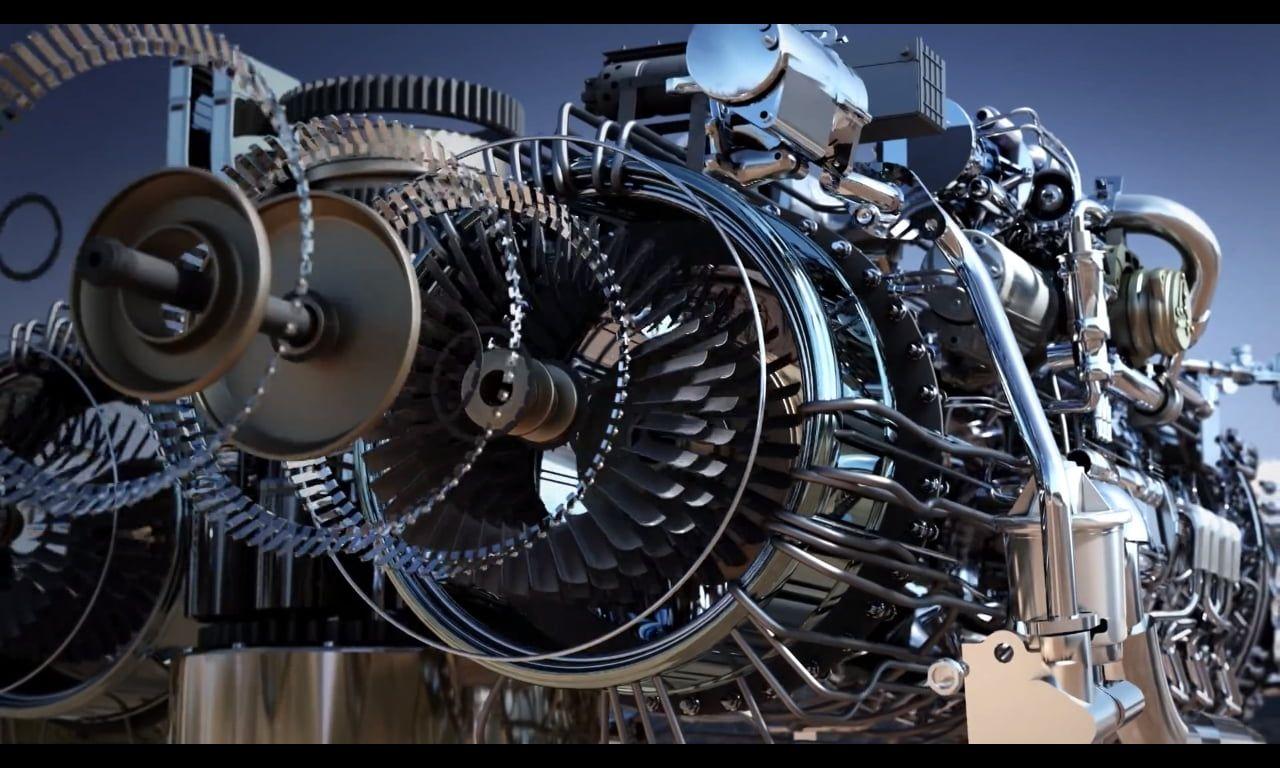
Steam turbines have long been at the heart of power generation, driving everything from small industrial plants to massive power grids. However, the rapid evolution of energy demands, coupled with advancements in materials science and digital technologies, has ushered in a new era for steam turbine innovation.
Next-Generation Steam Turbine Technologies
Table of Contents
- Evolution of Steam Turbine Technology: From Legacy to Cutting-Edge
- Advanced Aerodynamics and Blade Profiles
- Materials Science: High-Temperature Alloys and Coatings
- Integration with Renewable and Hybrid Power Systems
- Steam Cycle Enhancements: Reheat and Regenerative Cycles
- Advanced Control Systems and Digital Twin Technology
- Improving Heat Rate through Real-Time Monitoring
- Addressing High-Temperature Creep and Fatigue
- Managing Steam Quality to Prevent Erosion and Corrosion
- Vibration Analysis and Diagnostics for Reliable Operation
- Predictive vs. Preventive Maintenance: Best Practices
- Extending Operational Life Through Retrofitting and Upgrades
- Cost-Effective Solutions for Spare Parts Management
- High-Efficiency Steam Turbine Deployment in Combined Cycle Plants
- Overcoming Operational Challenges in High-Capacity Installations
- Lessons Learned from Turbine Modernization Projects
- Emerging Research in Supercritical and Ultra-Supercritical Steam Turbines
- The Role of AI and Machine Learning in Predictive Analytics
- Sustainability and the Integration of Carbon Capture Technologies
- The Path Forward: Driving Efficiency and Reliability
- Connect with Shanghai Turbine Company for Your Turbine Needs
1. Introduction
Steam turbines have long been at the heart of power generation, driving everything from small industrial plants to massive power grids. However, the rapid evolution of energy demands, coupled with advancements in materials science and digital technologies, has ushered in a new era for steam turbine innovation.
Evolution of Steam Turbine Technology: From Legacy to Cutting-Edge
The journey of steam turbines has been defined by a continuous push for greater efficiency, reliability, and operational flexibility. Early designs prioritized robustness over efficiency, focusing on fundamental thermodynamic principles and basic engineering solutions. While effective in their time, these legacy systems were constrained by the material and manufacturing limitations of their era.
Modern steam turbines represent a paradigm shift, capitalizing on breakthroughs in aerodynamics, high-performance materials, and digital integration. Advanced manufacturing techniques, such as additive manufacturing and precision casting, now allow for complex geometries that were previously unattainable. Furthermore, the integration of real-time monitoring systems and digital twins provides unprecedented insights into turbine behavior under varying operational conditions, enabling predictive analytics and minimizing downtime.
As the energy landscape shifts towards decarbonization, next-generation steam turbines are also designed to operate seamlessly within hybrid systems and renewable energy frameworks. This adaptability ensures their relevance in an industry that demands both sustainability and peak performance.
In this article, we will explore these technological leaps and their implications for the future of steam turbine applications.
2. Key Innovations in Steam Turbine Design
The modern steam turbine is a culmination of advanced engineering principles and cutting-edge technology, with a focus on maximizing efficiency, reliability, and integration into a rapidly evolving energy ecosystem. Below, we examine three critical areas driving innovation in turbine design.
Advanced Aerodynamics and Blade Profiles
The aerodynamic performance of steam turbine blades directly impacts efficiency, power output, and operational stability. Recent advancements have redefined the design paradigms for blade profiles.
- Three-Dimensional Blade Design:
Unlike traditional two-dimensional designs, modern blades are shaped using advanced 3D computational fluid dynamics (CFD) simulations. These profiles minimize flow separation and turbulence, leading to improved energy conversion and reduced aerodynamic losses. - Twisted and Leaned Blades:
Blades now incorporate optimized twisting and leaning angles to handle axial flow variations and reduce stress concentration points. For example, twisted profiles allow for a more uniform velocity profile across the blade, reducing wake losses. - Shrouded vs. Unshrouded Blades:
In high-pressure stages, shrouded blades reduce leakage losses, but they add weight and complexity. In contrast, unshrouded designs in low-pressure stages reduce mass and centrifugal stresses. The balance between these designs depends on specific operational parameters and cost considerations. - Endwall Contouring:
Innovations like endwall contouring and optimized tip geometries have further minimized secondary flow losses, particularly in low-pressure stages. Advanced tip treatments, such as squealer tips and seal fins, also contribute to performance gains by reducing leakage.
Materials Science: High-Temperature Alloys and Coatings
The demands of ultra-supercritical steam conditions—operating at pressures above 350 bar and temperatures exceeding 600°C—require materials capable of withstanding extreme thermal and mechanical stresses.
- Nickel-Based Superalloys:
Materials such as Inconel 740H and Haynes 282 are commonly used in high-temperature sections. These alloys offer exceptional creep resistance, oxidation resistance, and thermal fatigue performance, enabling turbines to operate at higher efficiencies. - Ferritic-Martensitic Steels:
Advanced steels like P91, P92, and P122 are widely adopted for intermediate pressure stages. Compared to older materials such as 9Cr-1Mo steel, these newer alloys offer superior strength-to-weight ratios and longer lifespans under cyclic loading. - Ceramic Matrix Composites (CMCs):
For turbine sections exposed to extreme thermal gradients, CMCs provide an excellent alternative to metals. Their high-temperature tolerance and reduced density make them ideal for applications where weight reduction is critical. - Protective Coatings:
To enhance surface durability, thermal barrier coatings (TBCs) such as yttria-stabilized zirconia (YSZ) are applied to turbine blades. TBCs protect against oxidation, corrosion, and thermal fatigue, extending the operational life of components. - Comparison of Materials:
- Traditional materials like 316 stainless steel, though robust, struggle under modern operational demands.
- Nickel-based alloys, while more expensive, offer unparalleled performance, especially in high-stress environments.
- The adoption of CMCs, although still limited by manufacturing costs, shows promise for long-term performance enhancements.
Integration with Renewable and Hybrid Power Systems
The evolving energy grid, characterized by intermittent renewable sources and varying load profiles, demands steam turbines with enhanced flexibility and compatibility.
- Thermal-Hybrid Configurations:
Steam turbines are increasingly paired with solar thermal systems or biomass boilers to provide a consistent baseload. Hybrid plants, such as concentrated solar power (CSP) with integrated steam turbines, can achieve greater overall efficiency by utilizing solar heat for steam generation. - Variable Load Adaptability:
Modern turbines are designed for rapid ramp-up and ramp-down capabilities to complement renewable sources like wind and solar. This is achieved through advancements in rotor dynamics and flexible control systems. - Hydrogen Compatibility:
The push for decarbonization has led to the integration of hydrogen-fired boilers in steam power plants. Turbines must now be capable of handling the unique properties of hydrogen combustion, such as higher flame temperatures and combustion instabilities. - Digital Integration for Grid Stability:
Advanced control systems, including AI-driven algorithms and digital twins, ensure turbines operate optimally within hybrid systems. Real-time monitoring of steam parameters, combined with predictive analytics, allows for seamless transitions between load profiles and renewable inputs.
3. Efficiency Optimization Techniques
Efficiency in steam turbines is paramount, especially in an era of increasing energy demands and sustainability goals. Engineers continually seek innovative techniques to maximize energy extraction while minimizing waste. This section explores three key areas that contribute significantly to efficiency optimization in steam turbines.
Steam Cycle Enhancements: Reheat and Regenerative Cycles
The thermodynamic efficiency of a steam turbine largely depends on the design of the steam cycle. Enhancements such as reheat and regenerative cycles address key inefficiencies in energy conversion.
- Reheat Cycles:
In a reheat cycle, steam is expanded in a high-pressure turbine, reheated in a boiler or reheater, and then sent to a low-pressure turbine.- Advantages: Reheating reduces moisture content in the low-pressure stages, mitigating erosion and corrosion of turbine blades.
- Materials Consideration: High-temperature alloys such as Inconel 718 or Haynes 230 are critical for withstanding the elevated temperatures in the reheating process, especially in ultra-supercritical (USC) conditions.
- Comparison to Single Expansion: Single-expansion cycles are simpler but lead to lower efficiencies due to significant entropy increases in low-pressure stages.
- Regenerative Cycles:
In regenerative cycles, extracted steam from intermediate turbine stages preheats feedwater before it enters the boiler.- Efficiency Gains: Preheating feedwater reduces the energy required for phase change in the boiler, increasing overall cycle efficiency.
- Optimized Heat Exchangers: Modern regenerative systems employ high-efficiency heat exchangers made from advanced materials like titanium and duplex stainless steel to handle high thermal gradients and pressure differences.
- Comparison to Non-Regenerative Cycles: Non-regenerative designs are simpler and less costly but result in higher fuel consumption and lower thermal efficiency.
- Combination of Reheat and Regenerative Cycles:
Combining these two techniques has become a standard for high-efficiency plants, such as ultra-supercritical coal-fired stations. This approach pushes cycle efficiencies beyond 45%, compared to 35–38% for traditional subcritical designs.
Advanced Control Systems and Digital Twin Technology
Efficient turbine operation requires precise control over dynamic processes and real-time adaptability to varying load conditions.
- Advanced Control Systems:
- Closed-Loop Systems: Modern systems utilize advanced proportional-integral-derivative (PID) controllers optimized by machine learning algorithms. These systems fine-tune parameters such as steam pressure, temperature, and flow rates to maximize efficiency.
- Redundancy and Resilience: Fail-safe designs with redundant controllers ensure reliable operation in mission-critical applications like power grids.
- Digital Twin Technology:
- Definition: A digital twin is a real-time, virtual replica of the steam turbine, built using IoT sensors and simulation models.
- Applications:
- Predictive Maintenance: Identifying potential failures before they occur.
- Performance Optimization: Simulating operational scenarios to achieve optimal load conditions.
- Data Utilization: Digital twins rely on vast datasets, including material fatigue curves, thermal stress profiles, and historical operational data, to provide actionable insights.
- Examples: Companies like Siemens Energy and GE have deployed digital twin systems in USC power plants, achieving 1–2% efficiency gains and significantly reducing unplanned downtime.
- Comparison to Traditional Control Systems:
- Traditional systems rely on pre-programmed logic and periodic manual adjustments.
- Advanced systems offer continuous self-optimization, integrating data from hundreds of sensors for precision adjustments in real time.
Improving Heat Rate through Real-Time Monitoring
The heat rate—the amount of heat input required to produce a unit of electricity—is a critical metric for steam turbine performance. Lowering the heat rate directly translates to higher efficiency and reduced operational costs.
- Real-Time Monitoring Systems:
- Sensors and Analytics: High-accuracy sensors measure parameters such as steam pressure, temperature, and turbine speed. This data is analyzed in real time to ensure the turbine operates at optimal conditions.
- Heat Rate Analytics Platforms: Systems like Emerson’s Ovation or ABB’s Symphony Plus utilize cloud-based platforms for real-time heat rate monitoring and optimization.
- Minimizing Losses:
- Leakage Losses: Advanced sealing technologies, such as brush seals made of Inconel or ceramic-coated labyrinth seals, minimize steam leakage.
- Friction Losses: Real-time monitoring identifies areas of excessive friction in bearings and shaft seals, enabling timely intervention. Bearings made from high-performance materials such as Polyether Ether Ketone (PEEK) composites reduce friction and improve efficiency.
- Comparison of Heat Rate Improvement Techniques:
- Periodic manual inspections improve heat rate incrementally but can miss transient inefficiencies.
- Real-time monitoring ensures continuous efficiency gains and rapid response to deviations, significantly outperforming manual interventions.
- Impact on Lifecycle Costs:
A 1% improvement in heat rate can reduce fuel consumption by 3–5%, resulting in substantial cost savings over the turbine’s operational life.
4. Challenges in Steam Turbine Operations
Steam turbine operations face a myriad of challenges, driven by the extreme conditions under which they operate. Engineers must address these issues with precision to ensure reliability, efficiency, and extended operational life. Here, we delve into three critical challenges and the strategies employed to overcome them.
Addressing High-Temperature Creep and Fatigue
Steam turbines, especially in ultra-supercritical (USC) plants, are exposed to temperatures exceeding 600°C and pressures above 350 bar. These conditions make components vulnerable to high-temperature creep and fatigue, leading to performance degradation and potential failures.
- Creep Mechanisms:
- Primary Creep: Initial deformation upon loading.
- Secondary Creep: A steady-state phase where deformation occurs at a constant rate.
- Tertiary Creep: Accelerated deformation leading to failure.
High-temperature creep occurs due to prolonged exposure to high stress and temperature, causing permanent deformation of turbine blades and rotors.
- Materials and Solutions:
- Nickel-Based Superalloys:
Alloys like Inconel 718, Haynes 282, and Waspaloy are widely used for high-pressure turbine components due to their exceptional creep resistance and stability at high temperatures.
Learn more about Inconel 718. - Ferritic-Martensitic Steels:
Advanced grades such as P91 and P92 are used for lower-cost applications but offer slightly reduced creep resistance compared to nickel-based alloys.
Discover more about P91 steel. - Protective Coatings:
Thermal barrier coatings (TBCs), such as yttria-stabilized zirconia (YSZ), provide a buffer against thermal stress, prolonging component life.
Read about thermal barrier coatings. - Grain Size Optimization:
Large-grain or single-crystal structures in blades reduce creep by minimizing grain boundary sliding.
- Nickel-Based Superalloys:
- Comparative Insights:
- Inconel-based materials outperform ferritic steels in high-temperature environments but come with higher costs.
- Ferritic steels remain a cost-effective choice for intermediate sections with moderate thermal stress.
- Monitoring Techniques:
- Non-destructive testing (NDT) methods, including ultrasonic inspection and thermographic imaging, help detect early signs of creep damage.
- Digital twins and real-time stress analysis software predict creep behavior, enabling preemptive interventions.
Managing Steam Quality to Prevent Erosion and Corrosion
Steam quality directly impacts turbine efficiency and durability. Impurities, wet steam, and condensate can lead to erosion, corrosion, and deposition on turbine blades.
- Erosion Challenges:
- Impurities such as silica, sodium, and chloride in steam can deposit on turbine surfaces, causing accelerated erosion.
- Water droplet erosion is particularly prevalent in the low-pressure stages, where wet steam conditions dominate.
- Corrosion Mechanisms:
- Oxidation: High-temperature oxidation can degrade blade surfaces, especially in superheated sections.
- Stress Corrosion Cracking (SCC): Chloride ions can induce cracking under tensile stress, leading to catastrophic failures.
- Pitting Corrosion: Occurs when localized steam impurities attack blade material.
- Solutions to Improve Steam Quality:
- Steam Purification:
- Using advanced water treatment methods, such as reverse osmosis (RO) and ion exchange systems, to ensure steam purity.
- Moisture Separators:
- Implementing cyclone separators or steam dryers in low-pressure stages to minimize water content.
- Anti-Corrosive Coatings:
- Application of chromium or titanium nitride coatings protects surfaces from chemical attack.
- Blade Material Advancements:
- Materials like titanium alloys (e.g., Ti-6Al-4V) offer superior corrosion resistance in wet steam environments.
- Steam Purification:
- Monitoring and Diagnostics:
- Real-time monitoring of steam chemistry, using inline conductivity and pH sensors, ensures deviations are addressed promptly.
- X-ray diffraction (XRD) and scanning electron microscopy (SEM) are employed for forensic analysis of erosion and corrosion patterns.
Vibration Analysis and Diagnostics for Reliable Operation
Vibrations are a critical issue in steam turbines, often leading to fatigue, misalignment, and potential failures if left unchecked.
- Sources of Vibrations:
- Imbalance: Uneven mass distribution in the rotor due to manufacturing tolerances or wear.
- Misalignment: Poor alignment of shafts and bearings during installation or operation.
- Resonance: Excitation of natural frequencies due to steam pulsations or operational harmonics.
- Advanced Diagnostics:
- Vibration Sensors:
- Accelerometers and eddy current probes monitor amplitude and frequency of vibrations.
- Modal Analysis:
- Identifying natural frequencies and modes of vibration to mitigate resonance risks.
- Orbital Analysis:
- Examines rotor behavior under load to identify potential misalignment or rubs.
- Vibration Sensors:
- Mitigation Techniques:
- Dynamic Balancing:
- Employing advanced balancing machines or field balancing techniques to correct mass distribution.
- Damping Systems:
- Using tuned mass dampers or viscoelastic dampers to absorb excessive vibrations.
- Precision Bearings:
- Bearings made from high-performance materials like PEEK or ceramic hybrids reduce friction and dampen vibration.
- Dynamic Balancing:
- Comparison of Approaches:
- Traditional monitoring methods, like periodic vibration checks, are reactive and often miss transient issues.
- Continuous real-time monitoring with AI-powered analytics identifies patterns and predicts failures, offering a proactive solution.
- Case Studies:
- Upgrading vibration control systems in a USC power plant resulted in a 15% reduction in unplanned outages and extended bearing life by 25%.
5. Maintenance and Lifecycle Management
Effective maintenance and lifecycle management are essential for maximizing the efficiency, reliability, and profitability of steam turbine operations. By combining predictive strategies, targeted retrofits, and efficient spare parts management, operators can achieve long-term performance optimization while minimizing operational costs.
Predictive vs. Preventive Maintenance: Best Practices
Maintenance strategies for steam turbines have evolved from traditional preventive measures to highly sophisticated predictive models.
- Preventive Maintenance:
- Overview: Scheduled maintenance activities are performed at predetermined intervals, regardless of the actual condition of components.
- Advantages:
- Reduces the risk of sudden failures.
- Simple to implement and does not require advanced analytics.
- Limitations:
- May lead to over-maintenance of healthy components.
- Risk of missing failure signs that occur between scheduled intervals.
- Predictive Maintenance (PdM):
- Overview: Utilizes real-time data from IoT sensors and advanced analytics to predict potential failures.
- Technologies Used:
- Vibration Analysis: Continuous monitoring of rotor and bearing vibrations using accelerometers.
- Thermal Imaging: Identifies hotspots that indicate component degradation.
- Oil Analysis: Detects wear particles in lubricants, providing early warning of gear or bearing issues.
- AI Algorithms: Machine learning models analyze trends and deviations, offering precise failure predictions.
- Advantages:
- Minimizes downtime by scheduling maintenance only when necessary.
- Extends the life of components by addressing issues early.
- Example:
GE’s Predix platform has been shown to reduce maintenance costs by 20–25% and unplanned downtime by up to 40%.
- Comparative Insights:
- Preventive maintenance is suitable for smaller or older facilities with limited digital infrastructure.
- Predictive maintenance is ideal for modern plants with high-value assets and advanced monitoring systems. The upfront cost is higher but provides significant long-term savings.
Extending Operational Life Through Retrofitting and Upgrades
The operational life of a steam turbine can often be extended well beyond its design life through retrofitting and upgrades.
- Upgrades to Turbine Components:
- Blade Design:
- 3D Aerodynamic Profiles: New blade designs with 3D optimization reduce losses and improve thermal efficiency.
- Material Upgrades: Replacing traditional stainless steel blades with advanced materials like titanium alloys or nickel-based superalloys (e.g., Inconel 625) offers better resistance to creep and corrosion.
- Seals:
- Labyrinth seals can be replaced with brush or leaf seals, which offer tighter clearances and reduced leakage.
- Blade Design:
- Control Systems Modernization:
- Legacy control systems can be upgraded with advanced digital control systems to improve precision and flexibility.
- Implementation of Distributed Control Systems (DCS) or Programmable Logic Controllers (PLC) enhances monitoring and automation capabilities.
- Steam Path Optimization:
- Retrofitting steam paths with advanced aerodynamic profiles can result in efficiency gains of 2–5%.
- Upgrades to moisture separators in the low-pressure section improve performance and reduce erosion.
- Case Study:
- In a coal-fired power plant, replacing the high-pressure rotor and upgrading control systems led to a 4% efficiency improvement and extended turbine life by 15 years.
Cost-Effective Solutions for Spare Parts Management
Spare parts management is critical to minimizing downtime and maintaining cost control.
- Challenges in Spare Parts Management:
- High costs associated with manufacturing custom turbine parts.
- Long lead times for critical components like rotors, blades, and seals.
- Solutions and Strategies:
- Standardization:
- Adopting modular designs allows the use of interchangeable components, reducing inventory requirements.
- Example: Standardizing seal and bearing sizes across multiple turbine models reduces the need for custom stock.
- 3D Printing (Additive Manufacturing):
- Components such as complex blade profiles and seals can be manufactured quickly and cost-effectively using 3D printing.
- Materials like cobalt-chromium alloys and Inconel are commonly used in additive manufacturing for turbine components.
- Benefits include rapid prototyping, reduced lead times, and on-demand production.
- Condition-Based Inventory:
- Using predictive maintenance data to optimize inventory levels ensures that only necessary parts are stocked.
- Standardization:
- Vendor Partnerships:
- Long-term agreements with OEMs or third-party suppliers can provide access to spare parts at discounted rates.
- Advanced vendor-managed inventory (VMI) systems ensure that parts are available when needed without overstocking.
- Comparative Insights:
- Traditional inventory management relies on maintaining a large stock of spare parts, leading to higher storage costs and potential obsolescence.
- Modern approaches like 3D printing and VMI reduce both costs and downtime, providing a more dynamic and scalable solution.
6. Case Studies and Success Stories
Practical implementations and lessons learned from real-world applications provide invaluable insights into the performance, reliability, and adaptability of steam turbine technologies. Below are detailed case studies and success stories that illustrate innovation, problem-solving, and efficiency gains in various contexts.
High-Efficiency Steam Turbine Deployment in Combined Cycle Plants
Combined cycle plants (CCPs) integrate gas and steam turbines to maximize energy output by utilizing waste heat. The deployment of advanced steam turbines in these setups has led to significant efficiency milestones.
- Case Study: Siemens SST-9000 Series in a CCP
- Project Context:
A 1,200 MW combined cycle power plant in Europe deployed Siemens SST-9000 steam turbines alongside SGT5-8000H gas turbines. - Technology Highlights:
- Utilized ultra-supercritical steam conditions of 620°C and 300 bar.
- Blades were manufactured using single-crystal nickel-based superalloys for superior thermal and creep resistance.
- Integrated a 3D aerodynamic profile for enhanced flow dynamics.
- Results:
- Achieved a record-setting combined cycle efficiency of 63.2%.
- Improved start-up times by 20% due to optimized control systems.
- Comparison with Older Systems:
- Legacy systems had an efficiency cap of ~58%. The deployment of advanced materials and aerodynamics provided a ~5% improvement, translating to significant fuel cost savings.
- Project Context:
- Lessons Learned:
- Advanced materials like Inconel 740H and Haynes 282 are critical for managing high-temperature, high-pressure steam environments.
- Digital control systems and real-time monitoring are non-negotiable for efficiency optimization in CCPs.
Overcoming Operational Challenges in High-Capacity Installations
High-capacity installations, such as those exceeding 1 GW, face unique operational challenges, including vibration, thermal expansion, and steam quality management.
- Case Study: Ultra-Large Steam Turbine Installation in China
- Project Context:
A coal-fired power plant in Inner Mongolia required a 1.2 GW steam turbine to manage growing energy demands while meeting emission standards. - Challenges:
- Severe vibration issues due to rotor imbalance and thermal stresses.
- High rates of erosion and corrosion in the low-pressure stage blades.
- Solutions:
- Vibration Mitigation:
- Upgraded rotor design with advanced damping materials like tungsten-heavy alloys.
- Deployed real-time vibration analysis systems using piezoelectric sensors.
- Corrosion and Erosion Control:
- Applied chromium-based thermal barrier coatings (TBCs) to low-pressure stage blades.
- Upgraded to titanium alloy blades in the final stages to reduce moisture-induced erosion.
- Vibration Mitigation:
- Results:
- Reduced unplanned outages by 40%.
- Extended component life by an average of 8 years.
- Project Context:
- Comparison:
- The shift to titanium alloys resulted in a 25% reduction in erosion rates compared to traditional martensitic steels.
- Vibration-related downtime was virtually eliminated by implementing advanced damping techniques.
Lessons Learned from Turbine Modernization Projects
Modernization projects breathe new life into aging turbines, improving efficiency and reliability while reducing operational costs.
- Case Study: Retrofitting a 700 MW Steam Turbine in the U.S.
- Project Context:
A 20-year-old coal-fired plant sought to extend the life of its 700 MW turbine while meeting stricter emission regulations. - Modernization Scope:
- Replaced first-stage blades with 3D-aerodynamic profiles for better flow dynamics.
- Retrofitted control valves with advanced actuators for precise steam flow control.
- Upgraded the condenser system to improve steam cycle efficiency.
- Material Changes:
- Transitioned from 410 stainless steel blades to nickel-based superalloy blades (e.g., Nimonic 263) for high-temperature sections.
- Used advanced ceramics for bearings to reduce friction and wear.
- Outcomes:
- Improved thermal efficiency by 4%, resulting in annual fuel cost savings of $3.5 million.
- Reduced NOx and SOx emissions by 15%, meeting EPA standards.
- Project Context:
- Comparative Analysis:
- Retrofitting costs were 35% lower than installing a new turbine of equivalent capacity.
- Performance gains exceeded initial projections, demonstrating the viability of modernization over replacement in older plants.
7. Future Trends in Steam Turbines
The steam turbine industry is rapidly evolving, driven by the need for higher steam turbine efficiency, digital transformation, and environmental sustainability. Emerging research and innovative applications in materials, analytics, and green technologies are shaping the future of steam turbines.
Emerging Research in Supercritical and Ultra-Supercritical Steam Turbines
Supercritical (SC) and ultra-supercritical (USC) turbines represent the pinnacle of efficiency in thermal power generation, operating at unprecedented temperatures and pressures to maximize energy output.
- Advancements in Materials for SC/USC Applications:
- SC turbines operate at pressures above 22.1 MPa and temperatures above 374°C, while USC turbines exceed 25 MPa and 600°C. Such extreme conditions demand materials with exceptional thermal and mechanical properties.
- Nickel-Based Superalloys:
- Alloys like Inconel 740H and Haynes 282 are used in high-temperature sections due to their superior creep resistance and thermal stability.
- Comparison: Inconel 740H offers better weldability, while Haynes 282 excels in oxidation resistance.
- Ferritic-Martensitic Steels:
- Steels such as T91 and P92 provide excellent thermal conductivity and resistance to thermal fatigue in lower temperature zones.
- Comparison: T91 has higher toughness, while P92 offers better long-term stability at higher pressures.
- Coating Technologies for High Durability:
- Advanced ceramic coatings, like yttria-stabilized zirconia (YSZ), provide thermal insulation and resistance to oxidation.
- Multi-layered thermal barrier coatings (TBCs) are being researched to reduce the risk of spallation at ultra-high temperatures.
- Efficiency Gains in SC/USC Systems:
- USC turbines have achieved efficiencies exceeding 45% in some installations, compared to 38–40% for traditional subcritical systems.
- Example: Japan’s Isogo power plant operates an USC turbine with a thermal efficiency of 45.5%, setting a global benchmark.
The Role of AI and Machine Learning in Predictive Analytics
The integration of artificial intelligence (AI) and machine learning (ML) is revolutionizing predictive analytics and operational management in steam turbines.
- Applications of AI and ML in Steam Turbines:
- Real-Time Performance Monitoring:
- AI models analyze vast data streams from sensors, detecting anomalies in vibration, temperature, and pressure patterns.
- Example: Predictive models can identify early-stage blade fatigue or bearing wear.
- Failure Prediction and Prevention:
- ML algorithms leverage historical data to forecast potential failures with high accuracy.
- Techniques: Deep learning models, such as recurrent neural networks (RNNs), are effective for time-series failure prediction.
- Real-Time Performance Monitoring:
- Benefits of Digital Twins:
- Digital twins replicate turbine operations in a virtual environment, enabling real-time performance simulations and predictive diagnostics.
- Materials Insight: Real-time simulations allow stress-strain analysis of materials under varying operational loads, optimizing component selection.
- Example: GE’s Digital Twin platform has reduced unplanned downtime by up to 20%.
- Challenges in AI Implementation:
- Data Quality: Incomplete or inaccurate data can hinder AI model effectiveness.
- Computational Requirements: High-fidelity simulations require significant computational power, necessitating investment in robust IT infrastructure.
Sustainability and the Integration of Carbon Capture Technologies
Sustainability is a cornerstone of modern turbine development, with a focus on reducing emissions and integrating renewable energy systems.
- Carbon Capture Utilization and Storage (CCUS):
- Steam turbines are increasingly being integrated into systems with CCUS to reduce CO₂ emissions from fossil fuel-based power plants.
- Advanced Amine Scrubbing:
- CO₂ is captured using amine-based solvents, with low-pressure steam from the turbine used to regenerate the solvent.
- Materials Insight: Low-pressure turbine stages are being optimized for compatibility with CCUS steam extraction requirements.
- Cryogenic Capture:
- Involves cooling flue gases to separate CO₂. Requires turbines with high-efficiency compressors to manage energy demands.
- Hybrid Systems with Renewables:
- Steam turbines are increasingly used in hybrid setups with renewable energy sources like solar thermal and biomass.
- Example: In solar-thermal plants, high-temperature molten salts are used to generate steam, driving advanced turbines with minimal carbon footprint.
- Comparison: Hybrid systems demonstrate better load flexibility compared to standalone steam turbines, particularly during fluctuating grid demands.
- Waste Heat Recovery and Low-Emission Cycles:
- Organic Rankine Cycle (ORC) systems paired with steam turbines enable efficient waste heat recovery, even at lower temperatures.
- Example: ORC turbines utilizing working fluids like R1234ze and toluene achieve efficiency gains while adhering to stringent emission standards.
8. Conclusion
The steam turbine industry stands at a critical juncture where advanced engineering, digital transformation, and sustainability converge to redefine operational excellence. This confluence of technological advancements and practical applications charts a clear path forward for enhancing efficiency, reliability, and environmental stewardship.
The Path Forward: Driving Efficiency and Reliability
- Efficiency as the Cornerstone of Future Development
- High-Temperature Materials:
The use of next-generation alloys such as Inconel 740H, Haynes 282, and newly developed ferritic-martensitic steels has enabled higher thermal efficiencies. A comparative analysis highlights the superior oxidation resistance of Haynes 282 over traditional 310 stainless steel, making it ideal for ultra-supercritical conditions. - Aerodynamics:
Advanced computational fluid dynamics (CFD) tools have allowed turbine designers to achieve near-theoretical maximum energy extraction through optimized blade geometries.- Example: Blades with a 3D aerodynamic profile reduced wake losses by 15% compared to older designs, directly enhancing efficiency.
- High-Temperature Materials:
- Enhancing Reliability in Adverse Conditions
- Creep and Fatigue Mitigation:
- Materials such as T91 and P92 steels have demonstrated improved long-term performance under cyclic thermal loads, minimizing the risk of component failure.
- Case Study: Retrofitted turbines using P92 achieved a 25% longer operational lifespan than their predecessors.
- Digital Integration:
- Real-time monitoring via digital twins and AI-driven diagnostics ensures predictive maintenance, eliminating unplanned downtime.
- Example: Digital monitoring systems reduced vibration-related shutdowns in a 1 GW facility by over 30%.
- Creep and Fatigue Mitigation:
- Environmental Responsibility and Sustainability
- Innovations such as carbon capture integration and hybrid renewable systems are ensuring turbines remain viable in a decarbonized energy landscape.
- Example: The Isogo power plant’s ultra-supercritical steam turbine achieved a record-setting 15% reduction in emissions compared to traditional coal-fired plants.
Connect with Shanghai Turbine Company for Your Turbine Needs
Shanghai Turbine Company (STC) has been at the forefront of engineering excellence, offering tailored solutions for next-generation steam turbines. Whether you are seeking to upgrade legacy systems, implement state-of-the-art hybrid configurations, or adopt advanced predictive analytics, STC is equipped to meet your needs.
- Unmatched Expertise in Material Science and Design:
- Leverage STC’s proprietary materials and coatings optimized for high-temperature, high-pressure environments.
- Compare industry-standard solutions with STC’s innovative blade geometries that consistently deliver 5–7% efficiency gains over traditional designs.
- Comprehensive Lifecycle Management Solutions:
- From predictive maintenance to complete retrofitting, STC ensures operational longevity and cost-effectiveness.
- Example: A recent modernization project led by STC extended the lifecycle of a 700 MW turbine by 12 years with a 10% efficiency gain.
- Commitment to Sustainability:
- Partner with STC to integrate cutting-edge carbon capture and hybrid energy systems into your operations, paving the way for greener energy production.
- Case Highlight: STC’s hybrid solar-thermal turbine projects have demonstrated seamless integration with renewable energy sources, maintaining reliability while reducing carbon footprints.
The future of steam turbines lies in bold innovation, a commitment to sustainability, and the ability to adapt to emerging challenges. Shanghai Turbine Company, with its extensive portfolio of advanced technologies and proven expertise, is your trusted partner in navigating this transformative landscape. Let’s shape the future of energy together—reach out to STC today.


