
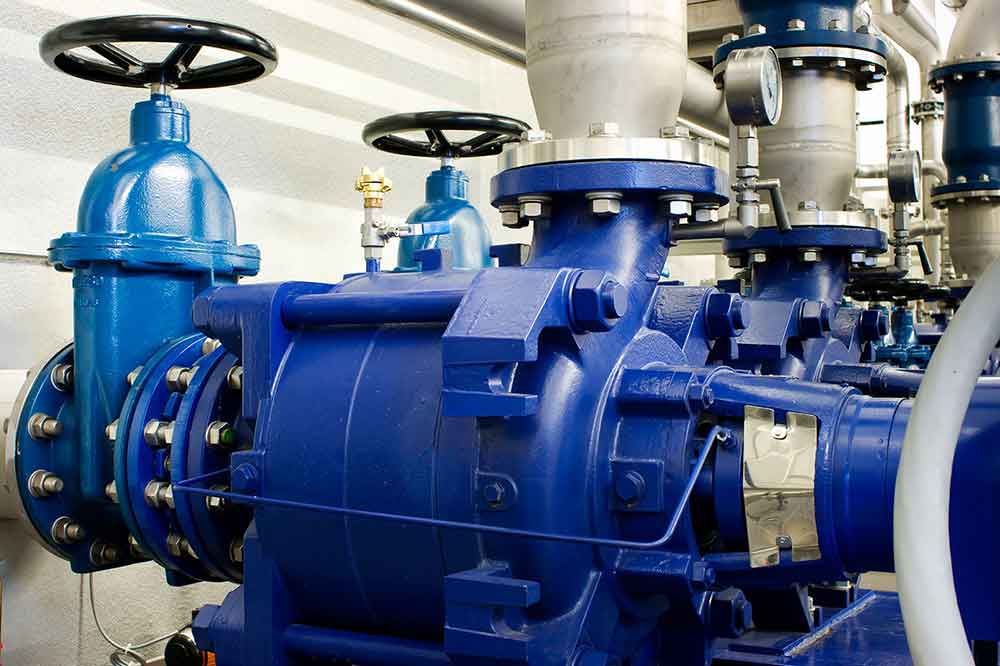
Pump types
are crucial for efficient fluid movement in power plants operating under extreme conditions. These pumps must be reliable, efficient, and resistant to corrosion and high temperatures. Compact designs are increasingly important for space efficiency. Proper selection is crucial to avoid performance issues and minimize costs. Key types include centrifugal (for boiler feed and cooling), positive displacement (for fuel and chemical transfer), and specialized boiler feed pumps types. Compact vertical and integrated motor-pump types systems are emerging trends.
Table of Contents
- Introduction
1.1 The Role of Pumps in Power Plant Operations
1.2 Why Selecting the Right Pump is Critical
1.3 Overview of Pump Types in Power Plant Applications - Understanding Pump Types
2.1 Centrifugal Pumps for Power Plants
– Key Features and Mechanisms
– Common Applications in Power Plants (e.g., cooling, feedwater systems)
– Troubleshooting Common Centrifugal Pump Issues
2.2 Positive Displacement Pumps in Power Generation
– Types and Mechanisms (e.g., rotary, reciprocating)
– High-Pressure Applications and Niche Use Cases
– Maintenance Challenges and Best Practices - Multistage vs. Single-Stage Pumps
3.1 Structural Differences and Operating Principles
3.2 Comparative Analysis: Efficiency, Cost, and Scalability
3.3 Best Practices for Choosing the Right Type - Boiler Feed Pump Types
4.1 Critical Role in Power Plant Efficiency
4.2 Centrifugal Boiler Feed Pumps vs. Positive Displacement Options
4.3 Impact of Pump Design on Steam Quality and Boiler Longevity - Key Factors in Pump Selection for Power Plants
5.1 Analyzing Flow Rate and Pressure Requirements
5.2 Total Cost of Ownership: Energy Efficiency vs. Maintenance Costs
5.3 Adapting to Space Constraints: Compact Pump Designs
5.4 Material Considerations for Corrosion and High Temperatures - Advanced Considerations for Engineers and Consultants
6.1 Lifecycle Analysis for Pump Systems in Power Plants
6.2 Case Studies: Successful Pump Selections in Complex Scenarios
6.3 Troubleshooting and Diagnostic Tools for Performance Monitoring - Emerging Trends in Pump Technology
7.1 High-Performance Alloys and Corrosion-Resistant Materials
7.2 Smart Pump Systems: IoT Integration for Real-Time Monitoring
7.3 Innovations in Energy Recovery and Efficiency - Conclusion
8.1 Summary of Key Insights
8.2 Guidelines for Making Informed Decisions
8.3 Future Trends to Watch
1. Introduction
1.1 The Role of Pumps in Power Plant Operations
Pumps are integral to power plant operations, serving as the backbone of fluid movement across multiple systems. Whether driving high-pressure feedwater into boilers, circulating coolant in turbine systems, or transferring fuels, pumps must meet the rigorous demands of reliability, efficiency, and durability under extreme conditions.
Key Technical Requirements for Power Plant Pumps:
- High Flow Rates and Pressure Stability: Pumps must maintain precise flow rates and pressures to avoid system disruptions.
- Corrosion and Thermal Resistance: Materials like duplex stainless steel, Inconel, or titanium are commonly used in high-performance pumps to resist corrosion and withstand thermal cycling in environments exceeding 500°C.
- Compact Designs for Spatial Efficiency: Power plants with retrofitted systems often require pumps optimized for tight installation spaces while maintaining full operational capability.
Compact industrial pumps, specifically designed to address space constraints without compromising performance, are gaining traction in modern power plants, particularly in urban installations and retrofitted facilities.
1.2 Why Selecting the Right Pump is Critical
Choosing an appropriate pump impacts not only the operational efficiency of a power plant but also its long-term reliability and maintenance costs. Incorrect pump selection can result in:
- Cavitation and Performance Degradation: Caused by mismatched flow-pressure characteristics.
- Excessive Wear: Due to materials unsuitable for fluid properties or operating conditions.
- Energy Losses: Often stemming from oversized or undersized pumps that deviate from their Best Efficiency Point (BEP).
Factors Driving Compact Pump Selection in Power Plants:
- Reduced Footprint Needs: Compact pumps address the challenges of integrating systems into older facilities with limited space for new equipment.
- Energy Efficiency Enhancements: Advanced hydraulic designs in compact pumps minimize frictional losses, boosting operational efficiency even in high-demand scenarios.
- Ease of Maintenance in Confined Spaces: Modular designs with quick-access components streamline maintenance and repair tasks.
1.3 Overview of Pump Types in Power Plant Applications
Each pump type in power plant applications serves a unique function and operates under specific conditions:
- Centrifugal Pumps:
- Applications: Boiler feed systems, condenser cooling, and auxiliary systems.
- Material Choices:
- Cast Duplex Stainless Steel (CDSS): Exceptional for feedwater applications due to its high tensile strength and corrosion resistance.
- Nickel-Chromium Alloys (e.g., Inconel): Ideal for corrosive environments with high chlorides.
- Advantages of Compact Designs: Vertical centrifugal pumps, for example, can be installed in tight spaces while achieving high head and flow rates.
- Positive Displacement Pumps:
- Applications: Fuel transfer, lubrication systems, and chemical dosing.
- Material Choices:
- Austenitic Stainless Steel (316L): Common for handling viscous fuels and corrosive fluids.
- PTFE-Coated Internal Components: For pumps dealing with aggressive chemicals.
- Advantages of Compact Designs: Rotary positive displacement pumps with integrated drive systems reduce installation space and weight.
- Specialized Boiler Feed Pumps:
- Designed for delivering high-pressure feedwater to boilers.
- Compact multistage designs offer reduced footprint with seamless integration into high-pressure systems.
Emerging Trends in Compact Pump Applications:
- Vertical Pump Configurations: Save horizontal space and are ideal for cooling towers and heat exchanger circuits.
- Integrated Motor-Pump Systems: Eliminate couplings, reducing vibration and installation footprint.
2. Understanding Pump Types
2.1 Centrifugal Pumps for Power Plants
Key Features and Mechanisms
Centrifugal pumps operate on the principle of converting rotational kinetic energy into hydrodynamic energy through an impeller. They are extensively used in power plants due to their ability to handle high flow rates and pressures with relative simplicity and efficiency.
Key Technical Features:
- Impeller Design:
- Open Impellers: Preferred for handling slurries or fluids with suspended solids, though prone to wear.
- Closed Impellers: Common in boiler feedwater systems due to their high efficiency and low maintenance requirements.
- Materials: Cast duplex stainless steel (CDSS) and Ni-Al bronze alloys are favored for their resistance to erosion and cavitation.
- Casing Configurations:
- Split-Case Designs: Allow easier maintenance and inspection.
- Volute vs. Diffuser Casing: Volute casings are common for general-purpose applications, while diffuser casings are used in multistage pumps for high head requirements.
- Bearings and Shaft Sealing:
- Hydrodynamic Bearings: Handle high loads with minimal friction.
- Sealing Options:
- Mechanical seals using silicon carbide or tungsten carbide offer robust performance under high pressures.
- Magnetic seals are gaining traction for compact designs due to reduced leakage and maintenance.
Common Applications in Power Plants
- Cooling Water Circulation:
Centrifugal pumps circulate large volumes of water through cooling towers or heat exchangers.- Materials: Super duplex stainless steel (e.g., SAF 2507) for resistance to chlorides and high flow velocities.
- Boiler Feedwater Systems:
High-pressure, multistage centrifugal pumps deliver feedwater to boilers at pressures exceeding 150 bar.- Materials: Inconel 718 impellers and 17-4 PH stainless steel shafts for extreme pressure and temperature environments.
- Auxiliary Systems:
Applications include fuel oil transfer, lubrication oil circulation, and condensate extraction.
Troubleshooting Common Centrifugal Pump Issues
- Cavitation:
- Causes: Inadequate NPSH (Net Positive Suction Head) or vapor pressure exceeding fluid pressure.
- Solutions: Use of low-NPSH impeller designs or upgrading to materials like titanium for cavitation resistance.
- Impeller Wear:
- Causes: Abrasive particles in the fluid or improper material selection.
- Solutions: Employ hard coatings (e.g., tungsten carbide or ceramic coatings) for impeller surfaces.
- Vibration and Misalignment:
- Causes: Shaft misalignment or unbalanced impellers.
- Solutions: Install vibration dampers and precision alignment systems.
2.2 Positive Displacement Pumps in Power Generation
Types and Mechanisms
- Rotary Pumps:
- Gear Pumps: Used in lubrication systems due to their ability to handle viscous fluids.
- Screw Pumps: Preferred for high-capacity fuel transfer with minimal pulsation.
- Materials: Ni-Resist alloys for high-pressure, low-lubricity fuels.
- Reciprocating Pumps:
- Piston Pumps: Deliver precise flow rates in chemical dosing systems.
- Diaphragm Pumps: Ideal for abrasive or corrosive fluids.
- Materials: PTFE diaphragms for chemical resistance and Hastelloy C for wetted parts in aggressive environments.
High-Pressure Applications and Niche Use Cases
- Fuel Injection Systems:
Positive displacement pumps handle high-pressure fuel delivery with precise control.- Materials: Monel K500 for excellent corrosion resistance in marine and gas turbine applications.
- Chemical Dosing:
- Mechanism: Reciprocating diaphragm pumps deliver precise dosages of anti-corrosion agents or pH regulators.
- Seal Oil Systems:
- Rotary gear pumps are compact and efficient for delivering oil to turbine seals under controlled conditions.
Maintenance Challenges and Best Practices
- Wear and Tear of Moving Components:
- Rotary pumps experience wear due to continuous contact between gears or screws.
- Best Practices: Use case-hardened alloy steels for gears and apply advanced lubricants with extreme pressure additives.
- Leakage in Reciprocating Pumps:
- Common in piston pumps due to seal failure under high-pressure conditions.
- Solutions: Install double-acting seals made from graphite-filled PTFE for high durability.
- Preventive Maintenance:
- Utilize vibration monitoring and thermography to detect early signs of failure.
- Employ condition-based maintenance to optimize pump lifespan and reduce unplanned downtime.
3. Multistage vs. Single-Stage Pumps
3.1 Structural Differences and Operating Principles
Single-Stage Pumps: Single-stage pumps are designed with a single impeller that generates the required pressure in a single pass of fluid. They are typically used for lower-pressure applications and where the required head (pressure) is relatively modest. Key Characteristics:- Impeller Design: A single-stage pump uses one impeller, which can be either centrifugal or positive displacement, depending on the application.
- Material Selection:
- Bronze and Stainless Steel (316L): Common for general applications due to their corrosion resistance and durability. Read more
- Ni-Resist Alloys (e.g., Ni-Resist D-5): Used for handling high-temperature liquids, especially in power plants. Learn more
- Casing:
- Volute casing is common, with the fluid being directed from the impeller into the discharge pipe. The flow velocity decreases as the fluid moves through the casing, increasing pressure. Details here
- Material Considerations: Carbon steel for low-temperature, low-corrosion environments or Hastelloy for aggressive conditions.
- Material Selection:
- Operating Principle: A single-stage centrifugal pump operates on the principle that kinetic energy is imparted to the fluid by the impeller, and the volute converts this into pressure. A key limitation is its ability to generate only moderate head before reaching the system curve or NPSH limits.
- Impeller Design:
- Impellers are staged to progressively increase the pressure with each stage.
- Materials:
- Duplex Stainless Steel (e.g., 2205): Selected for its superior strength and corrosion resistance in multi-stage applications.
- Ceramic or Tungsten Carbide Coatings: Used in impellers for high-wear and high-pressure applications.
- Casing:
- Multistage pumps often use a diffuser casing to reduce turbulence between stages and increase overall efficiency.
- Material Choices: Inconel for high-temperature applications or S31600 stainless steel for aggressive environments.
- Axial vs. Radial Flow:
- Axial Flow: Used for high-flow, low-pressure applications.
- Radial Flow: Preferred for higher pressure, lower flow applications.
- Operating Principle: Multistage pumps function by transferring fluid through multiple impellers arranged sequentially, each imparting additional pressure. The total head is the sum of the pressure produced by each stage, making them ideal for high-head applications.
3.2 Comparative Analysis: Efficiency, Cost, and Scalability
Efficiency:- Single-Stage Pumps:
- More efficient at lower pressures and higher flow rates due to fewer mechanical losses.
- At higher heads, efficiency decreases significantly as a result of cavitation risks and increased energy consumption.
- Design Efficiency: A single-stage pump is most efficient when it operates near its Best Efficiency Point (BEP), but beyond a certain pressure, it is unlikely to maintain high efficiency.
- Multistage Pumps:
- Generally more efficient for high-pressure systems due to the staged pressure increases.
- Energy Efficiency: The staged approach minimizes energy losses by providing gradual pressure increases rather than a single large boost.
- Application Efficiency: In high-head applications like boiler feedwater, multistage pumps are far superior to single-stage pumps in maintaining consistent efficiency under varying system demands.
- Single-Stage Pumps:
- Lower Initial Cost: The mechanical simplicity and fewer components result in lower upfront costs.
- Maintenance Costs: Typically lower as they require fewer components, but operating at non-optimal conditions over time can lead to higher wear and tear.
- Material Choices: Reduced cost for materials like carbon steel or 316L stainless steel.
- Multistage Pumps:
- Higher Initial Cost: Due to the more complex design, higher-quality materials are often required, especially for high-head applications.
- Material Considerations: Multistage pumps require high-performance materials like Inconel 625 or Hastelloy for handling higher pressures, raising initial material and manufacturing costs.
- Maintenance Considerations: Maintenance costs are higher due to the increased number of components, seals, and bearings across multiple stages. However, longer operational lifespans at high pressures can offset these costs over time.
- Single-Stage Pumps:
- Limited Scalability: While they are ideal for systems requiring high flow rates at moderate pressures, scalability is limited in high-head applications.
- Multi-Pump Systems: In cases requiring higher pressure, multiple single-stage pumps can be configured in parallel, but this comes at the cost of space and efficiency.
- Multistage Pumps:
- Scalable for High-Pressure Applications: Multistage pumps are ideal for applications where the required head exceeds the capability of a single-stage pump, such as in nuclear or fossil fuel power plants.
- Parallel Configuration: Multistage pumps can also be configured in parallel for redundancy or to meet varied flow demands, although they still require more space than single-stage configurations.
3.3 Best Practices for Choosing the Right Type
Factors to Consider When Selecting Between Single-Stage and Multistage Pumps:- Head Requirements:
- For systems requiring moderate head and high flow, single-stage pumps are more efficient and cost-effective.
- For high-head, low-flow applications (such as boiler feed or fuel oil circulation), multistage pumps are preferred. The incremental pressure generation provides better control over high-pressure fluid delivery.
- System Configuration and Space Constraints:
- Compact Industrial Pumps: If space is a constraint, compact designs of both single-stage and multistage pumps can be selected, but multistage pumps may offer better space efficiency in high-pressure applications due to their vertical configurations.
- Compactness Considerations: Vertical multistage pumps can be an ideal choice when the available footprint is limited but high pressure is required.
- Efficiency vs. Initial Cost Trade-offs:
- Single-Stage Pumps: Ideal for cost-conscious applications where operational pressures are below 100 bar.
- Multistage Pumps: While they come with a higher initial cost, they offer superior long-term efficiency and reduced operating costs in high-pressure systems, particularly in power plants.
- Material Selection:
- Choose materials like Duplex Stainless Steel (2205) or Inconel 625 for multistage pumps handling high temperatures and pressures to enhance reliability.
- For single-stage pumps, AISI 304 or 316L stainless steel provides adequate corrosion resistance for lower-pressure systems.
- Reliability and Maintenance:
- In applications where uptime is critical, such as in turbine or boiler feedwater systems, multistage pumps tend to offer higher reliability and longer life due to their capacity to handle higher stresses.
- For general applications requiring easy service and low maintenance, single-stage pumps provide simplicity and lower costs.
Pump types in details
Boost power plant efficiency & reliability with this comprehensive guide to pump types. Learn how to choose the right pump for your specific needs, from centrifugal to positive displacement options. Avoid costly downtime and maximize ROI.
4. Boiler Feed Pump Types
4.1 Critical Role in Power Plant Efficiency
Boiler feed pumps (BFPs) are essential to maintaining efficient power plant operations. Their primary function is to supply high-pressure water to the boiler, ensuring steam production and heat generation. BFPs must meet strict performance standards as they directly influence both thermal efficiency and steam quality, impacting plant efficiency, fuel consumption, and overall performance.
Key Operational Considerations:
- Pressure Requirements:
Boiler feed pumps must generate enough pressure to overcome the steam drum pressure and drive the water into the economizer and boiler. The pump head typically exceeds 150 bar in modern supercritical boilers, necessitating high-pressure multistage centrifugal pumps. - Flow Control:
Boiler feedwater flow is critical for maintaining constant steam generation. Feedwater temperature must be carefully controlled to ensure efficiency, particularly in large plants with superheated steam, where even small temperature variations can lead to fluctuations in system performance. - Material Selection:
BFPs operate in extreme conditions, so materials must resist both high temperatures and corrosive environments. Materials such as Stainless Steel (316L) for moderate conditions, and Inconel or Hastelloy C-276 for more aggressive environments, are standard choices in the design of the pump casing, impellers, and shafts. For pumps handling higher temperatures, Tungsten Carbide coatings on the impellers and sleeves are becoming more common to mitigate wear from cavitation.
4.2 Centrifugal Boiler Feed Pumps vs. Positive Displacement Options
Centrifugal Boiler Feed Pumps:
These pumps are the most common type for large-scale power plants, especially those with high flow rates and moderate to high pressures.
- Operating Principle:
Centrifugal pumps rely on impellers to impart velocity to the feedwater, which is then converted into pressure within the volute casing. These pumps are suitable for steady-state operations where flow rates are consistent. - Advantages:
- High Flow, Moderate Pressure: Ideal for large-scale systems where high flow is needed at pressures ranging from 150 bar to 250 bar.
- Reliability: Centrifugal pumps are well-suited for continuous operation with fewer mechanical stresses compared to positive displacement pumps.
- Efficient Performance: The absence of reciprocating parts minimizes energy consumption and enhances pump life.
- Materials:
- Stainless Steel (304, 316L): Often used for casing and impellers due to good resistance to corrosion and ease of maintenance.
- Super Duplex Stainless Steel (2205): For high-temperature applications where higher tensile strength is necessary.
- Ceramic Coatings (e.g., Tungsten Carbide): Applied to high-wear surfaces to prevent cavitation and erosion.
- Challenges:
- Cavitation: Cavitation is a significant concern in centrifugal BFPs when the Net Positive Suction Head (NPSH) is inadequate, leading to pitting on the impeller surfaces. To combat this, centrifugal BFPs are designed with higher NPSH ratings and sometimes even specialized designs such as low NPSH impellers or multistage configurations.
Positive Displacement Boiler Feed Pumps:
While centrifugal pumps dominate, positive displacement pumps are sometimes used in specialized applications, such as when the system requires more precise control over flow rates and pressures.
- Types:
- Reciprocating Pumps: These use a piston or diaphragm to deliver precise amounts of water at a fixed flow rate. Used when exact dosing is needed, typically in smaller plants or backup systems.
- Materials like Hastelloy C-276 and Titanium are used for piston components, ensuring corrosion resistance under high temperatures.
- Rotary Gear Pumps: These are used in smaller systems where high-pressure feedwater is required in a compact design. They generate consistent flow but are less common for large-scale BFPs due to lower flow capacity compared to centrifugal designs.
- Reciprocating Pumps: These use a piston or diaphragm to deliver precise amounts of water at a fixed flow rate. Used when exact dosing is needed, typically in smaller plants or backup systems.
- Advantages:
- Precise Flow Control: Positive displacement pumps excel when the exact flow needs to be tightly controlled, which can be beneficial in niche boiler applications.
- Self-Priming: These pumps can handle situations where priming is essential, especially when the system has air or vapor pockets in the feedwater.
- Disadvantages:
- Limited Flow Range: These pumps are best suited for smaller flow ranges. For large plants, their flow capacities may not meet the demand.
- Higher Energy Consumption: Positive displacement pumps generally consume more power per unit of flow than centrifugal pumps, making them less energy-efficient for high-flow applications.
- Materials:
- Alloy Steel or Stainless Steel (316L): Typically used for components exposed to high pressures and temperatures.
- Hastelloy or Inconel: For applications requiring excellent resistance to aggressive media and high temperatures, particularly in systems handling desuperheated or superheated steam.
4.3 Impact of Pump Design on Steam Quality and Boiler Longevity
The design of the boiler feed pump plays a critical role in maintaining steam quality and optimizing boiler longevity. Improper feedwater conditions can lead to scaling, corrosion, and poor steam quality, ultimately reducing the life expectancy of critical plant components such as turbines, heat exchangers, and piping systems.
Impact of Pump Design on Steam Quality:
- Stable Flow Control:
A steady and consistent flow of feedwater from the pump ensures stable steam generation. Rapid fluctuations in feedwater flow can lead to pressure fluctuations in the boiler, negatively affecting steam temperature and quality.- Centrifugal Pumps: Provide stable, steady flow, ensuring consistent steam pressure and temperature in the boiler.
- Positive Displacement Pumps: Although capable of more precise control, their high-pressure fluctuations and less stable flow rates make them less ideal for larger systems where smooth steam generation is crucial.
- Temperature Control:
The temperature of the feedwater is a critical factor in maintaining steam quality. If feedwater is too cold when entering the boiler, it can cause thermal shock, which accelerates wear on boiler tubes and components.- Centrifugal Pumps with Heat Exchanger Integration: In some applications, centrifugal pumps are designed to integrate with heat exchangers to maintain feedwater temperature, preventing cold water from directly entering the boiler.
Impact of Pump Design on Boiler Longevity:
- Cavitation and Wear Resistance:
Cavitation can cause significant damage to pump impellers, which can, in turn, lead to inconsistent water delivery and erratic steam quality. For this reason, cavitation-resistant materials like ceramic coatings or hardened stainless steel should be considered in both centrifugal and positive displacement pumps for boiler feed applications. - Corrosion Resistance:
Corrosion due to acidic or scaling feedwater can significantly reduce the life of boiler components.- Materials: Stainless steel alloys (316L, 304) and super duplex alloys (2205) are typically used for BFP construction to minimize the risk of corrosion under high-temperature, high-pressure conditions.
- Thermal Shock Resistance:
Thermal cycling, especially with hot feedwater being introduced to cooler components, can lead to material fatigue. The pump design should therefore ensure that thermal shock is minimized.- Design Considerations: Thermal management features, such as insulated pump casings or heat exchangers integrated with the pump system, can help regulate the temperature of the feedwater before it enters the boiler.
5. Key Factors in Pump Selection for Power Plants
5.1 Analyzing Flow Rate and Pressure Requirements
Accurate analysis of flow rate and pressure requirements is fundamental to choosing the correct pump type. Power plants vary widely in terms of capacity and system design, so understanding the pump’s role in the overall system is crucial.
Flow Rate Analysis:
- Flow Rate Capacity: The flow rate defines how much liquid needs to be moved in a given time, often measured in cubic meters per hour (m³/h) or gallons per minute (GPM). The required flow rate depends on the specific application within the plant, whether it’s for cooling systems, boiler feed, or circulation.
- Operational Conditions: Flow rates for pumps in large-scale power plants can reach several thousand m³/h, particularly in cooling and condenser applications. Compact industrial pumps, in this case, need to handle large volumes while maintaining efficiency and reducing footprint.
- For instance, centrifugal pumps often handle high flow rates in cooling systems, while positive displacement pumps are used for more precise control in small-scale applications like chemical dosing or oil circulation.
Pressure Requirements:
- Head Calculation: The pump head (measured in meters or feet) is an important consideration, as it indicates the pressure the pump needs to generate to overcome system resistance. Pressure is determined by the vertical distance (static head) and the friction losses in the system (dynamic head).
- Pump Type Selection:
- Centrifugal Pumps: These are typically chosen for applications requiring higher flow rates and moderate pressures. In power plants, centrifugal pumps are the go-to for feedwater systems, cooling towers, and heat exchangers.
- Positive Displacement Pumps: These pumps are ideal for high-pressure applications with precise flow control requirements, such as chemical feed and lubrication systems. Their high efficiency at high pressure allows them to be used for specific niche applications like high-pressure boiler feed pumps in small-scale or specialized systems.
5.2 Total Cost of Ownership: Energy Efficiency vs. Maintenance Costs
When selecting a pump, engineers must carefully evaluate the Total Cost of Ownership (TCO), which includes both initial capital investment and long-term operational costs, particularly energy and maintenance costs. In power plants, where operational uptime and efficiency are crucial, it’s essential to strike a balance between energy efficiency and long-term maintenance costs.
Energy Efficiency Considerations:
- Motor and Pump Efficiency: The efficiency of the pump and motor drive systems directly impacts energy consumption. Pumps with higher efficiency ratings help lower energy costs over time, especially in large-scale operations where continuous operation is the norm.
- IE3 or IE4 motors: In many modern applications, high-efficiency motors (IE3 or IE4) are a standard, reducing energy consumption by up to 10% compared to conventional motors.
- Variable Frequency Drives (VFDs): Pumps equipped with VFDs allow for better flow control and optimize energy use, especially in applications with fluctuating demand, such as cooling water pumps. Engineers should ensure compatibility between the pump and the VFD to avoid any inefficiencies in operation.
- Operational Efficiency:
Centrifugal pumps, when used correctly, are typically more energy-efficient at handling high flow rates and moderate pressures. However, positive displacement pumps tend to be more energy-efficient when precise control over flow rate and pressure is needed, especially in high-pressure or low-flow conditions.
Maintenance Costs:
- Wear and Tear: Regular maintenance and component replacements can significantly impact the TCO. For example, centrifugal pumps require careful monitoring of seals, bearings, and impellers to minimize wear and tear.
- Centrifugal Pumps: These pumps experience wear on the impeller and seal faces due to erosive conditions like cavitation. Regular maintenance schedules are critical to prevent costly repairs and extended downtimes.
- Positive Displacement Pumps: These pumps require maintenance of components such as gears, pistons, or valves, which need to be serviced more frequently in high-pressure, high-flow applications.
- Maintenance Materials: The choice of materials used in pump construction can reduce maintenance needs. Materials like ceramic coatings on wear-prone parts (impellers and shafts) and carbon-based seals help extend the service life of the pump components, thus reducing downtime and maintenance costs.
5.3 Adapting to Space Constraints: Compact Pump Designs
Space limitations are a growing concern in many industrial applications, especially in power plants where optimizing the available footprint is key to reducing capital investment costs. As such, compact pump designs are increasingly important, particularly in retrofit applications or plants with limited space.
Compact Design Features:
- Vertical vs. Horizontal Pumps:
In applications with limited space, vertical pumps can be an effective solution. Vertical turbine pumps, for instance, offer significant space savings over horizontal designs by using a smaller footprint and extending the pump’s shaft vertically. These designs are commonly used in cooling water systems, where space optimization is essential.- Vertical Pumps (e.g., Vertical Cantilever Pumps): Ideal for applications requiring a smaller footprint without sacrificing performance. They are often used in high-temperature and high-pressure environments such as boiler feedwater systems, cooling towers, and filtration systems.
- Horizontal Pumps (e.g., Multistage Centrifugal Pumps): These are better suited for large-scale systems where higher flow rates are required but space optimization is secondary.
- Modular Pump Designs:
Modern pump systems are often designed with modular components that can be easily integrated into tight spaces. Components such as pump casings, motors, and valves can be designed to fit together in smaller, more efficient arrangements. Modular pumps are particularly useful in retrofit projects, where new pump units need to fit into pre-existing infrastructure. - Materials for Compact Pumps:
Compact industrial pumps often use lighter materials such as aluminum alloys and stainless steel to reduce both the size and weight of the pump without compromising its strength. In high-performance compact pumps, materials like super duplex stainless steel or titanium alloys are used to ensure durability under high stress, pressure, and temperatures while keeping the design compact.
5.4 Material Considerations for Corrosion and High Temperatures
Material selection is a critical factor when selecting pumps for power plants. Pumps are exposed to high temperatures, pressures, and potentially corrosive fluids, making it essential to use materials that provide excellent resistance to these conditions.
Corrosion Resistance:
- Stainless Steel:
Stainless steels such as 316L and 304 are commonly used in general pump construction due to their high resistance to corrosion in water systems and moderate temperature applications. These materials are particularly effective in water treatment, cooling systems, and low-to-medium pressure applications. - Duplex Stainless Steel:
Super Duplex Stainless Steel (2205) offers superior resistance to both pitting and crevice corrosion. This material is often used in feedwater pumps, where highly corrosive environments are common. Duplex stainless steel’s high strength-to-weight ratio ensures both durability and longevity in harsh environments. - Nickel Alloys:
For extreme high-temperature and high-pressure applications, alloys like Inconel and Hastelloy are used. These materials provide exceptional resistance to heat and chemical degradation. They are essential in pumps handling superheated steam, high-temperature fluids, or highly aggressive media.
Temperature Resistance:
- High-Temperature Alloys:
Pumps operating in high-temperature environments, such as those in boiler systems or steam generators, require materials capable of withstanding elevated temperatures without degrading. Alloys like Inconel 625 and Hastelloy C-276 provide excellent temperature resistance and maintain structural integrity in extreme conditions. - Ceramic Coatings:
Pumps designed to handle abrasive or high-temperature fluids often utilize ceramic coatings (e.g., Tungsten Carbide or Silicon Nitride) to enhance durability and resist wear. Ceramic-coated pump impellers and shaft sleeves are particularly effective in combating cavitation, corrosion, and erosion over extended service periods.
Pump types Deep dive
Selecting the right pump types for your power plant is critical for optimal performance, efficiency, and reliability. This guide will delve into the diverse world of pump types commonly used in power plants, exploring their characteristics, applications, and considerations for selection. By understanding the unique advantages and limitations of different pump types, you can make informed decisions that maximize your power plant’s output while minimizing operational costs and environmental impact.
6. Advanced Considerations for Engineers and Consultants
6.1 Lifecycle Analysis for Pump Systems in Power Plants
Lifecycle analysis (LCA) is a critical tool for evaluating the long-term performance and cost-effectiveness of pump systems. In power plants, where pumps are subject to extreme conditions (high pressure, temperature, and corrosive environments), understanding the full lifecycle of pumps—including acquisition, operation, maintenance, and disposal—enables engineers to optimize both operational efficiency and total cost of ownership (TCO).
Key Stages in Lifecycle Analysis:
- Design and Material Selection:
The lifecycle of a pump system begins with the selection of materials that will withstand high pressures, temperatures, and corrosive fluids. Advanced materials like super duplex stainless steel, Inconel, or Hastelloy alloys are often used in power plant applications due to their superior resistance to wear, corrosion, and high temperatures. Choosing the right material not only affects the initial cost but also plays a major role in the pump’s longevity and performance under harsh conditions. - Energy Consumption and Operational Efficiency:
A significant portion of a pump’s lifecycle cost is determined by its energy consumption during operation. Compact industrial pumps with high efficiency, such as those with IE3 or IE4 motors and Variable Frequency Drives (VFDs), help minimize energy use. Efficient pumps are particularly important in power plants where constant operational demands mean high energy consumption.
By analyzing the pump efficiency curve (a graph of flow rate vs. head vs. efficiency), engineers can determine the optimal operational range where the pump performs at its highest efficiency. Operating pumps outside of this range leads to excessive energy use and premature wear.
- Maintenance and Downtime:
Maintenance accounts for another critical stage in the pump lifecycle. Predictive maintenance practices based on condition monitoring (e.g., vibration analysis, temperature monitoring, and pressure monitoring) help predict potential failures and allow for preemptive repairs, thus extending the pump’s operational life and minimizing downtime.
For example, centrifugal pumps used in large-scale power plants often experience impeller erosion, which leads to loss of efficiency. By implementing smart monitoring technologies, engineers can assess when impeller replacement is necessary, reducing downtime and maintaining optimal pump performance. - End of Life and Disposal:
Materials such as Hastelloy C-276 and Inconel 625 used in high-temperature applications have a longer operational life, but eventually, these pumps must be decommissioned. Engineers should consider the disposal impact of materials like these, which may require special handling due to their high material value and potential environmental impact.
6.2 Case Studies: Successful Pump Selections in Complex Scenarios
Case Study 1: High-Pressure Boiler Feed System with Centrifugal Pumps
In a recent power plant retrofit, engineers selected multistage centrifugal pumps for the high-pressure boiler feed system. The primary challenge was to achieve both high flow rates and high pressure while maintaining space efficiency. The chosen pumps were designed with super duplex stainless steel casings and impellers, allowing them to handle water at temperatures up to 300°C and pressures exceeding 100 bar.
- Challenges Addressed:
- High operational pressure and temperature requirements.
- Limited space for pump installation.
- Need for continuous, reliable operation with minimal maintenance.
- Solution:
By using high-strength, corrosion-resistant materials like super duplex stainless steel, engineers ensured longevity in a high-stress environment. Additionally, the pumps were equipped with Variable Frequency Drives (VFDs) to allow precise control over flow rates and pressures, thereby optimizing energy consumption. - Outcome:
The retrofit significantly improved boiler efficiency by maintaining stable feedwater pressure and flow while minimizing energy consumption. The pump’s material choice also minimized corrosion and wear, extending its operational lifespan by over 20% compared to previous installations.
Case Study 2: Compact Positive Displacement Pump in a Chemical Dosing System
In a smaller, highly specialized power plant, engineers faced a space constraint while needing to ensure precise control over the chemical dosing for water treatment. Compact positive displacement pumps were selected due to their precise metering capabilities and high pressure-handling capacity.
- Challenges Addressed:
- Space constraints within the chemical dosing room.
- Precise flow control for chemical injection to maintain water quality.
- Corrosive environment due to the aggressive chemicals being pumped.
- Solution:
Engineers chose diaphragm positive displacement pumps made from PTFE (polytetrafluoroethylene) for their chemical resistance and compact design. These pumps offered superior reliability in dosing systems, even under high-pressure conditions, and required minimal maintenance due to their self-priming capabilities. - Outcome:
The compact design of the positive displacement pump helped engineers maximize space while ensuring precise chemical injection rates, contributing to both energy savings and extended plant lifespan. The chemical resistance of the PTFE material also minimized the need for replacements and downtime.
6.3 Troubleshooting and Diagnostic Tools for Performance Monitoring
Performance monitoring and troubleshooting are essential for maintaining efficient pump operation in power plants. A variety of diagnostic tools and methods can help engineers detect early signs of failure, predict maintenance schedules, and optimize pump performance.
- Vibration Analysis:
Vibration analysis is one of the most effective ways to detect early-stage issues in pump systems. By monitoring the vibration frequencies and comparing them to known patterns, engineers can identify misalignment, imbalance, bearing wear, or cavitation before they cause significant damage.
- Key tools: Vibration analyzers like SKF Microlog, Fluke 810, and PI Innovators’ VibroTest help provide real-time data on pump performance.
- Application: For instance, in centrifugal pumps, excessive vibration can be a sign of imbalance in the impeller or bearing failure, and this can be detected early through vibration analysis, thus preventing catastrophic failures.
- Pressure and Flow Monitoring:
By continuously measuring pressure and flow, engineers can detect shifts in pump performance that may indicate clogging, cavitation, or pump wear.
- Key tools: Pressure gauges and flowmeters like the Rosemount 3051S or KROHNE Optiflux series can help provide real-time performance data.
- Application: In feedwater pumps, a drop in pressure or flow rate can signal potential issues with the pump internals, such as clogged filters or impeller erosion, which needs to be addressed promptly.
- Thermal Imaging:
Thermal imaging cameras can be used to detect overheating in pump motors or components. Overheating can indicate issues like bearing failure, excessive friction, or electrical problems.
- Key tools: Thermal cameras such as the FLIR T540 can be used to inspect pump motors, seals, and casings for abnormal heat signatures.
- Application: In high-pressure boiler feed systems, thermal imaging can quickly identify hotspots where the pump’s motor or pump internals may be experiencing undue stress.
- Advanced Diagnostics: Condition-Based Monitoring Systems (CBM):
Condition-based monitoring (CBM) systems use sensors to continuously collect data on various operational parameters, such as pressure, temperature, vibration, and flow rate. This data is then analyzed to predict potential failures and optimize maintenance schedules.
- Key tools: Advanced CBM systems like Emerson’s Plantweb and GE’s Predix platforms are increasingly used to automate condition monitoring in power plant systems, including pumps.
- Application: CBM systems can trigger automatic alerts for abnormal pump conditions, allowing engineers to perform maintenance or replace components before the system fails completely.
7. Emerging Trends in Pump Technology
7.1 High-Performance Alloys and Corrosion-Resistant Materials
Materials science continues to play a pivotal role in enhancing the performance and longevity of industrial pumps. With the harsh operating conditions in power plants—such as high temperatures, pressure, and exposure to corrosive fluids—material selection is critical.
Key High-Performance Alloys and Their Applications:
- Super Duplex Stainless Steel (SDSS):
Offers excellent corrosion resistance in environments with high chloride content, such as seawater cooling systems. Its high strength also enables thinner pump walls, which reduces overall pump weight and enhances compact designs. - Hastelloy (C-22, C-276):
Known for its exceptional resistance to oxidizing and reducing agents, Hastelloy is often used in chemical injection pumps or applications handling acidic fluids. Its higher initial cost is offset by reduced maintenance and longer operational life. - Inconel Alloys (625, 718):
Ideal for high-temperature and high-pressure applications, such as boiler feed pumps, where thermal stability is crucial. Inconel’s resistance to scaling and oxidation ensures performance in extreme conditions. - Ceramic-Lined Components:
For parts exposed to high wear, such as impellers and volutes in abrasive service, ceramic linings offer a durable alternative to metallic alloys. While ceramics are brittle, their exceptional hardness extends the lifespan of pump components.
Material Comparison:
| Material | Strength | Corrosion Resistance | Temperature Tolerance | Cost |
|---|---|---|---|---|
| Super Duplex SS | High | Excellent | Moderate (up to 250°C) | Moderate |
| Hastelloy | Moderate | Exceptional | High (up to 450°C) | High |
| Inconel | High | Very Good | Very High (up to 980°C) | Very High |
| Ceramic-Lined | Very High | Limited | Moderate | Moderate |
Engineers must evaluate not only the fluid medium but also operating pressures, temperatures, and expected maintenance cycles to choose the optimal material for compact industrial pumps.
7.2 Smart Pump Systems: IoT Integration for Real-Time Monitoring
The integration of IoT (Internet of Things) technology into pump systems is revolutionizing how power plants monitor and manage their equipment. Smart pumps equipped with sensors and connected to centralized control systems allow for real-time performance tracking, predictive maintenance, and operational optimization.
Core Features of Smart Pump Systems:
- Condition Monitoring:
IoT-enabled sensors provide continuous data on vibration, temperature, flow rate, and pressure. For instance, real-time vibration analysis can detect cavitation or bearing misalignment before failures occur. - Predictive Maintenance Algorithms:
Advanced analytics platforms, such as Emerson Plantweb or GE Predix, use historical data to predict component wear and schedule maintenance proactively, reducing unplanned downtime. - Remote Monitoring and Control:
Smart pumps can be remotely operated and adjusted via cloud-connected systems. For compact industrial pumps installed in inaccessible areas, this capability minimizes manual intervention and enhances safety. - Energy Optimization:
IoT systems analyze pump performance curves and adjust operation for maximum energy efficiency. By integrating Variable Frequency Drives (VFDs), pumps can dynamically respond to fluctuating system demands, reducing energy consumption during off-peak periods.
Implementation Challenges and Considerations:
While IoT integration offers significant benefits, engineers must consider the reliability of sensor hardware, cybersecurity for cloud-connected systems, and compatibility with existing control architectures.
7.3 Innovations in Energy Recovery and Efficiency
Energy efficiency remains a top priority in power plant operations, and pump technology has seen significant innovations to address this. Compact industrial pumps are increasingly being designed with features that enable higher efficiency and energy recovery.
Energy-Saving Technologies:
- Regenerative Turbine Pumps:
These pumps are ideal for low-flow, high-head applications. The design recaptures kinetic energy from the fluid and reuses it to maintain pressure, offering up to 10-15% energy savings compared to conventional designs. - Hydraulic Balancing Systems:
By balancing axial thrust in multistage pumps, these systems reduce the energy required for operation and minimize wear on bearings and seals. This is particularly beneficial in boiler feed pumps, where high pressures generate significant thrust. - Magnetic Bearings:
Magnetic bearings eliminate mechanical contact, reducing friction and energy loss. Additionally, they extend the pump’s operational life by minimizing wear, especially in high-speed or high-pressure systems.
Energy Recovery Case Study:
In a combined cycle power plant, compact industrial pumps equipped with regenerative hydraulic systems were installed to manage condensate recovery. By recapturing energy from fluid flow, the pumps contributed to a 7% reduction in overall plant energy consumption, translating to significant operational savings.
Efficiency Metrics Comparison:
| Pump Type | Typical Efficiency (%) | Energy Recovery Potential | Ideal Application |
|---|---|---|---|
| Regenerative Turbine Pumps | 50-75 | High | Low-flow, high-head |
| Centrifugal Pumps | 60-85 | Moderate | General-purpose |
| Positive Displacement Pumps | 85-95 | Low | Precise dosing, high-viscosity fluids |
8. Conclusion
8.1 Summary of Key Insights
The advancements in pump technology, including high-performance materials, IoT-enabled smart systems, and energy-efficient designs, are transforming how power plants operate. Compact industrial pumps, with their space-saving configurations and enhanced capabilities, are increasingly indispensable in modern power generation systems.
8.2 Guidelines for Making Informed Decisions
- Material Selection: Match the pump material to the application environment, balancing cost and performance.
- Smart Integration: Leverage IoT and predictive maintenance to optimize performance and reduce downtime.
- Energy Efficiency: Prioritize pumps with advanced hydraulic designs and energy recovery systems to lower operational costs.
8.3 Future Trends to Watch
- AI in Pump Operations: Machine learning algorithms will enhance diagnostics and optimize energy use.
- Additive Manufacturing: 3D printing may allow for customized pump components with complex geometries, improving performance in niche applications.
- Advanced Coatings: Nano coatings could enhance corrosion resistance and wear protection, extending pump lifespans even in the harshest conditions.


