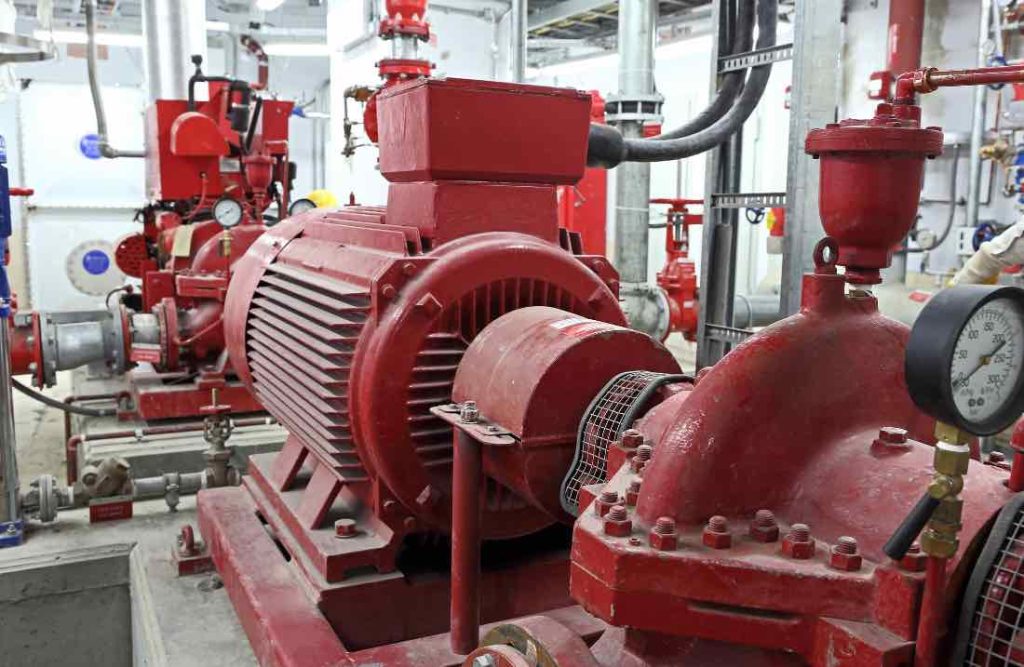
Steam Turbine Inspection is a critical process for maintaining the efficiency and reliability of power generation systems. This article delves into the best practices and essential techniques necessary for effective inspections, ensuring optimal performance and preventing costly downtime.
Table of Contents
- Introduction to Steam Turbine Inspection
- Why Regular Inspections Are Critical for Steam Turbines
- The Role of Inspections in Maximizing Turbine Lifespan and Performance
- How Inspections Impact ROI for New Replacement Turbines
- Key Components to Inspect in Steam Turbines
- Blades and Rotors: Identifying Erosion, Cracking, and Fouling
- Casings and Seals: Detecting Leaks and Structural Integrity Issues
- Bearings and Lubrication Systems: Ensuring Proper Alignment and Wear Analysis
- Governor Systems and Control Valves: Verifying Operational Efficiency
- Exhaust Systems and Condensers: Preventing Corrosion and Blockages
- Advanced Inspection Tools and Technologies
- Borescopes and Endoscopes: Visual Inspection of Internal Components
- Vibration Analysis: Detecting Imbalances and Misalignments
- Thermography: Identifying Hot Spots and Thermal Anomalies
- Ultrasonic Testing: Measuring Thickness and Detecting Flaws
- Laser Alignment Tools: Ensuring Precision in Rotor and Shaft Alignment
- Best Practices for Steam Turbine Inspection
- Developing a Proactive Inspection Schedule
- Integrating Predictive Maintenance Strategies
- Training and Certification for Inspection Teams
- Documenting and Analyzing Inspection Data for Continuous Improvement
- Common Challenges in Steam Turbine Inspection and How to Overcome Them
- Accessibility Issues in Complex Turbine Designs
- Balancing Inspection Frequency with Operational Downtime
- Addressing Environmental and Safety Concerns During Inspections
- The Future of Steam Turbine Inspection
- Emerging Technologies (AI, IoT, and Machine Learning in Inspection)
- The Role of Digital Twins in Predictive Maintenance
- How Inspection Practices Are Evolving with Renewable Energy Integration
- Conclusion
- The Importance of Partnering with Experts for Turbine Inspections
- How Regular Inspections Ensure Long-Term Reliability and Efficiency
- Final Thoughts on Optimizing Your Turbine Investment
1. Introduction to Steam Turbine Inspection
Steam turbines are the workhorses of power generation and industrial processes, converting thermal energy into mechanical power with remarkable efficiency. However, their complex design and harsh operating conditions make them susceptible to wear, corrosion, and mechanical failures. For experienced engineers and consultants tasked with purchasing new replacement turbines, understanding the critical role of steam turbine inspection is paramount. This section delves into why regular inspections are indispensable, how they maximize turbine lifespan and performance, and their direct impact on the return on investment (ROI) for new turbines.
Why Regular Inspections Are Critical for Steam Turbines
Steam turbines operate under extreme conditions, including high temperatures, pressures, and rotational speeds. Over time, these factors can lead to:
- Material Degradation: Components like blades, rotors, and casings are often made of high-strength alloys such as Inconel, Titanium, or Martensitic Stainless Steels. Despite their durability, these materials can suffer from creep, fatigue, and stress corrosion cracking.
- Fouling and Deposits: Steam impurities can cause deposits on blades and nozzles, reducing efficiency and increasing the risk of flow-induced vibrations.
- Misalignment and Imbalance: Even minor misalignments in rotors or bearings can lead to catastrophic failures if left unchecked.
Regular inspections help identify these issues early, preventing unplanned downtime and costly repairs. For example, a cracked rotor blade detected during an inspection can be replaced during a scheduled outage, avoiding a potential failure that could halt operations for weeks.
The Role of Inspections in Maximizing Turbine Lifespan and Performance
Inspections are not just about preventing failures; they are a proactive measure to optimize turbine performance and extend its operational life. Key benefits include:
- Efficiency Preservation: Inspections ensure that components like blades and seals are in optimal condition, maintaining the turbine’s efficiency. For instance, a study by the Electric Power Research Institute (EPRI) found that regular inspections and maintenance can improve turbine efficiency by up to 5-10%.
- Performance Benchmarking: By comparing inspection data over time, engineers can track performance trends and identify areas for improvement. For example, vibration analysis can reveal imbalances that, if corrected, can reduce energy losses and improve output.
- Life Extension: Advanced inspection techniques, such as non-destructive testing (NDT), allow engineers to assess the remaining life of critical components. This is particularly important for high-temperature rotors, where creep life assessment can determine whether a component can safely operate for another cycle or needs replacement.
How Inspections Impact ROI for New Replacement Turbines
When investing in a new steam turbine, the goal is to maximize ROI by ensuring reliability, efficiency, and longevity. Inspections play a crucial role in achieving this by:
- Reducing Lifecycle Costs: A well-inspected turbine requires fewer repairs and operates more efficiently, lowering operational costs over its lifespan. For example, a combined-cycle power plant that implements a robust inspection program can save millions annually in avoided downtime and maintenance.
- Ensuring Compliance: Regular inspections help ensure compliance with industry standards such as API 612 and ISO 9001, which are critical for securing warranties and insurance coverage.
- Supporting Data-Driven Decisions: Inspection data provides valuable insights for selecting the right replacement turbine. For instance, if inspections reveal recurring issues with blade erosion, engineers can opt for turbines with advanced coatings or materials like Stellite 6B for enhanced durability.
For experienced engineers and consultants, the value of steam turbine inspections lies in their ability to transform raw data into actionable insights. By leveraging advanced inspection tools and techniques, you can ensure that your new replacement turbine delivers maximum performance, reliability, and ROI. In the following sections, we will explore the key components to inspect, the latest tools and technologies, and best practices to help you implement a world-class inspection program.
2. Key Components to Inspect in Steam Turbines
For experienced engineers, understanding the critical components of steam turbines and their inspection requirements is essential to ensure optimal performance and longevity. This section provides a detailed breakdown of the key components to inspect, focusing on material specifics, common issues, and advanced inspection techniques. By addressing these areas, you can minimize maintenance requirements and maximize the reliability of your steam turbines, aligning with the focus keyword low maintenance pumps.
Blades and Rotors: Identifying Erosion, Cracking, and Fouling
Blades and rotors are the heart of a steam turbine, responsible for converting steam energy into mechanical power. However, they are also the most susceptible to damage due to their exposure to high temperatures, pressures, and steam impurities.
- Materials:
- Blades: Typically made from martensitic stainless steels (e.g., 12% Cr steel) or nickel-based alloys (e.g., Inconel 718) for high-temperature resistance.
- Rotors: Often constructed from low-alloy steels (e.g., CrMoV steels) or high-strength alloys to withstand thermal and mechanical stresses.
- Common Issues:
- Erosion: Caused by solid particles in the steam stream, leading to material loss and reduced efficiency.
- Cracking: Resulting from thermal fatigue or stress corrosion cracking (SCC).
- Fouling: Deposits of silicates, oxides, or salts can accumulate on blade surfaces, disrupting airflow and reducing performance.
- Inspection Techniques:
- Borescopes: For visual inspection of blade surfaces and root attachments.
- Ultrasonic Testing (UT): To detect subsurface cracks or material thinning.
- Eddy Current Testing (ECT): For identifying surface cracks in conductive materials like nickel alloys.
- Comparison:
- Coated vs. Uncoated Blades: Blades with thermal barrier coatings (TBCs) or erosion-resistant coatings (e.g., Stellite 6B) exhibit significantly lower erosion rates compared to uncoated blades.
Casings and Seals: Detecting Leaks and Structural Integrity Issues
Casings and seals are critical for maintaining the pressure integrity of the turbine and preventing steam leaks, which can lead to efficiency losses and safety hazards.
- Materials:
- Casings: Typically made from carbon steel or alloy steels (e.g., CrMo steels) for high-pressure applications.
- Seals: Often constructed from graphite, carbon composites, or metallic materials like Inconel for high-temperature resistance.
- Common Issues:
- Leaks: Caused by worn seals or cracks in casings.
- Distortion: Due to thermal cycling or improper assembly.
- Corrosion: Particularly in wet steam zones or areas exposed to condensate.
- Inspection Techniques:
- Dye Penetrant Testing (PT): For detecting surface cracks in casings.
- Thermography: To identify hot spots caused by steam leaks.
- Laser Scanning: For measuring casing distortion and ensuring proper alignment.
- Comparison:
- Graphite vs. Metallic Seals: Graphite seals offer better thermal stability and self-lubrication, but metallic seals are more durable in high-pressure environments.
Bearings and Lubrication Systems: Ensuring Proper Alignment and Wear Analysis
Bearings and lubrication systems are vital for reducing friction and ensuring smooth operation. Failures in these components can lead to vibration issues, misalignment, and even catastrophic failures.
- Materials:
- Bearings: Commonly made from babbitt metal (e.g., Sn-Sb-Cu alloys) or ceramic materials for high-speed applications.
- Lubricants: Synthetic oils with anti-wear additives or grease-based lubricants for high-temperature environments.
- Common Issues:
- Wear: Due to improper lubrication or contaminants in the oil.
- Misalignment: Leading to vibration and premature bearing failure.
- Oil Degradation: Caused by thermal breakdown or oxidation.
- Inspection Techniques:
- Vibration Analysis: To detect imbalances or misalignments.
- Oil Analysis: For monitoring lubricant condition and detecting contaminants.
- Ultrasonic Testing: To measure bearing wear and detect early signs of failure.
- Comparison:
- Babbitt vs. Ceramic Bearings: Babbitt bearings are more cost-effective and easier to repair, while ceramic bearings offer superior thermal resistance and longevity in high-speed applications.
Governor Systems and Control Valves: Verifying Operational Efficiency
Governor systems and control valves regulate steam flow and turbine speed, ensuring stable and efficient operation. Failures in these components can lead to unstable operation or overspeed conditions.
- Materials:
- Control Valves: Often made from stainless steel (e.g., 316 SS) or high-temperature alloys (e.g., Inconel 625).
- Governor Components: Typically constructed from durable alloys to withstand mechanical wear.
- Common Issues:
- Sticking Valves: Due to corrosion or deposits.
- Wear in Linkages: Leading to inaccurate speed control.
- Leakage: Caused by worn seals or valve seat damage.
- Inspection Techniques:
- Functional Testing: To verify valve response and governor operation.
- Visual Inspection: For identifying wear or corrosion in linkages and seals.
- Leak Detection: Using ultrasonic leak detectors or pressure decay tests.
- Comparison:
- Hydraulic vs. Electronic Governors: Hydraulic governors are robust and reliable, while electronic governors offer greater precision and integration with modern control systems.
Exhaust Systems and Condensers: Preventing Corrosion and Blockages
Exhaust systems and condensers are critical for maintaining turbine efficiency by managing steam exhaust and condensate. Failures in these components can lead to backpressure issues and corrosion damage.
- Materials:
- Exhaust Casings: Typically made from carbon steel or stainless steel for corrosion resistance.
- Condenser Tubes: Often constructed from titanium, stainless steel, or copper-nickel alloys to resist corrosion and fouling.
- Common Issues:
- Corrosion: Particularly in wet steam zones or areas exposed to condensate.
- Blockages: Caused by scale buildup or foreign objects.
- Tube Leaks: Leading to contamination of condensate and reduced efficiency.
- Inspection Techniques:
- Eddy Current Testing: For detecting thinning or cracks in condenser tubes.
- Visual Inspection: Using borescopes to identify blockages or corrosion.
- Water Chemistry Analysis: To monitor condensate quality and detect contamination.
- Comparison:
- Titanium vs. Copper-Nickel Tubes: Titanium tubes offer superior corrosion resistance and longevity, but copper-nickel tubes are more cost-effective for less aggressive environments.
By focusing on these key components and employing advanced inspection techniques, you can ensure the reliability, efficiency, and longevity of your steam turbines. This proactive approach not only reduces maintenance requirements but also aligns with the goal of achieving low maintenance pumps and systems. In the next section, we will explore the latest tools and technologies for steam turbine inspection, providing actionable insights to enhance your inspection programs.
3. Advanced Inspection Tools and Technologies
For experienced engineers, leveraging advanced inspection tools and technologies is critical to achieving low maintenance pumps and steam turbine systems. These tools not only enhance the accuracy and efficiency of inspections but also enable predictive maintenance strategies that minimize downtime and operational costs. This section delves into the latest inspection technologies, their applications, and how they contribute to maintaining high-performance, low-maintenance systems.
Borescopes and Endoscopes: Visual Inspection of Internal Components
Borescopes and endoscopes are indispensable for inspecting internal components of steam turbines without disassembly, saving time and reducing maintenance costs.
- Key Features:
- Flexible or Rigid Probes: Flexible borescopes are ideal for navigating complex geometries, while rigid borescopes provide higher image quality.
- High-Resolution Cameras: Modern borescopes feature 4K resolution and LED lighting for clear visualization of internal surfaces.
- Articulation: Advanced models offer 360-degree articulation for comprehensive inspection of hard-to-reach areas.
- Applications:
- Blade Inspection: Detecting erosion, cracking, and fouling on turbine blades.
- Seal and Casing Inspection: Identifying wear, corrosion, and leaks in internal seals and casings.
- Root Attachment Inspection: Ensuring the integrity of blade root attachments, which are prone to stress cracking.
- Comparison:
- Fiber Optic vs. Digital Borescopes: Fiber optic borescopes are more durable in high-temperature environments, while digital borescopes offer superior image quality and data recording capabilities.
Vibration Analysis: Detecting Imbalances and Misalignments
Vibration analysis is a cornerstone of predictive maintenance, enabling engineers to detect imbalances, misalignments, and other mechanical issues before they lead to failures.
- Key Features:
- Accelerometers: Measure vibration frequencies and amplitudes.
- Spectrum Analysis: Identifies specific frequencies associated with imbalance, misalignment, bearing wear, or resonance.
- Condition Monitoring Systems: Provide real-time data and alerts for proactive maintenance.
- Applications:
- Rotor Balancing: Detecting and correcting imbalances in turbine rotors.
- Bearing Health Monitoring: Identifying wear, lubrication issues, or defects in bearings.
- Misalignment Detection: Ensuring proper alignment of rotors, shafts, and couplings.
- Comparison:
- Portable vs. Permanent Systems: Portable systems are cost-effective for periodic inspections, while permanent systems offer continuous monitoring for critical assets.
Thermography: Identifying Hot Spots and Thermal Anomalies
Thermography uses infrared imaging to detect temperature variations, making it an invaluable tool for identifying hot spots, leaks, and insulation issues.
- Key Features:
- Infrared Cameras: Capture thermal images with high sensitivity and resolution.
- Temperature Range: Modern cameras can detect temperatures from -20°C to 2000°C, suitable for all turbine components.
- Software Analysis: Advanced software provides temperature mapping, trend analysis, and anomaly detection.
- Applications:
- Steam Leak Detection: Identifying hot spots caused by steam leaks in casings or valves.
- Bearing and Lubrication Monitoring: Detecting overheating due to friction or lubrication failures.
- Electrical Component Inspection: Identifying hot spots in electrical connections or control systems.
- Comparison:
- Handheld vs. Fixed Cameras: Handheld cameras are versatile for spot inspections, while fixed cameras are ideal for continuous monitoring of critical areas.
Ultrasonic Testing: Measuring Thickness and Detecting Flaws
Ultrasonic testing (UT) is a non-destructive testing (NDT) method that uses high-frequency sound waves to measure material thickness and detect internal flaws.
- Key Features:
- Transducers: Generate and receive ultrasonic waves.
- Pulse-Echo Technique: Measures the time taken for sound waves to reflect from internal surfaces or flaws.
- Phased Array Technology: Provides detailed imaging of complex geometries and defects.
- Applications:
- Thickness Measurement: Monitoring wall thinning in casings, pipes, and pressure vessels.
- Crack Detection: Identifying internal cracks in rotors, blades, and welds.
- Corrosion Mapping: Assessing the extent of corrosion damage in turbine components.
- Comparison:
- Conventional UT vs. Phased Array UT: Conventional UT is cost-effective for simple inspections, while phased array UT offers superior accuracy and imaging for complex components.
Laser Alignment Tools: Ensuring Precision in Rotor and Shaft Alignment
Laser alignment tools provide precise measurement and alignment of rotors, shafts, and couplings, ensuring optimal performance and reducing wear.
- Key Features:
- Laser Emitters and Detectors: Measure alignment with micron-level accuracy.
- Software Integration: Provides real-time feedback and alignment instructions.
- Portability: Compact and easy to use in confined spaces.
- Applications:
- Rotor Alignment: Ensuring proper alignment of turbine rotors and generator shafts.
- Coupling Alignment: Aligning couplings between turbines and pumps or compressors.
- Baseplate Leveling: Verifying the levelness of turbine foundations.
- Comparison:
- Manual vs. Laser Alignment: Manual alignment is time-consuming and less accurate, while laser alignment tools provide faster, more precise results.
By integrating these advanced inspection tools and technologies into your maintenance programs, you can achieve low maintenance pumps and steam turbine systems. These tools not only enhance the accuracy and efficiency of inspections but also enable predictive maintenance strategies that minimize downtime and operational costs. In the next section, we will explore best practices for steam turbine inspection, providing actionable insights to optimize your inspection programs.
4. Best Practices for Steam Turbine Inspection
For experienced engineers, implementing best practices for steam turbine inspection is essential to achieving low maintenance pumps and systems. These practices not only enhance the reliability and efficiency of turbines but also reduce operational costs and downtime. This section provides detailed, actionable insights into developing proactive inspection schedules, integrating predictive maintenance strategies, training inspection teams, and leveraging data for continuous improvement.
Developing a Proactive Inspection Schedule
A proactive inspection schedule is the foundation of an effective maintenance strategy. It ensures that inspections are performed at optimal intervals, balancing operational demands with the need to prevent failures.
- Key Considerations:
- Operational Hours: Base inspection intervals on actual operating hours rather than calendar time, as turbines in continuous operation require more frequent inspections.
- Manufacturer Recommendations: Follow guidelines from turbine manufacturers, such as GE, Siemens, or Mitsubishi Hitachi Power Systems (MHPS), which provide detailed inspection schedules for their equipment.
- Historical Data: Use historical inspection and failure data to identify patterns and adjust schedules accordingly. For example, if blade erosion is consistently observed after 10,000 hours, schedule inspections before this threshold.
- Inspection Types:
- Routine Inspections: Conducted during planned outages, focusing on visual checks, vibration analysis, and lubrication system reviews.
- Major Inspections: Performed every 3-5 years, involving disassembly, non-destructive testing (NDT), and component replacement.
- Condition-Based Inspections: Triggered by real-time monitoring data, such as increased vibration or temperature anomalies.
- Comparison:
- Fixed vs. Dynamic Schedules: Fixed schedules are easier to plan but may lead to unnecessary inspections. Dynamic schedules, based on real-time data, optimize resource allocation and reduce downtime.
Integrating Predictive Maintenance Strategies
Predictive maintenance (PdM) leverages advanced technologies and data analytics to predict failures before they occur, aligning with the goal of achieving low maintenance pumps and systems.
- Key Technologies:
- Vibration Analysis: Monitors rotor balance, bearing health, and alignment.
- Thermography: Detects hot spots and thermal anomalies in casings, valves, and electrical systems.
- Oil Analysis: Tracks lubricant condition and identifies contaminants or wear particles.
- Ultrasonic Testing: Measures thickness and detects flaws in critical components.
- Implementation Steps:
- Install Sensors: Equip turbines with vibration sensors, temperature probes, and oil quality monitors.
- Data Integration: Use IoT platforms to collect and analyze data from multiple sources.
- Alerts and Actions: Set up automated alerts for abnormal conditions and define action plans for addressing issues.
- Case Study:
- A combined-cycle power plant implemented predictive maintenance for its steam turbines, reducing unplanned downtime by 30% and maintenance costs by 20%.
Training and Certification for Inspection Teams
The effectiveness of an inspection program depends on the skills and expertise of the inspection team. Proper training and certification ensure that inspections are conducted accurately and consistently.
- Key Training Areas:
- NDT Techniques: Training in ultrasonic testing, eddy current testing, and dye penetrant testing.
- Tool Proficiency: Familiarity with borescopes, vibration analyzers, and laser alignment tools.
- Safety Protocols: Understanding lockout/tagout (LOTO) procedures and hazardous area classifications.
- Certification Programs:
- ASNT (American Society for Nondestructive Testing): Offers certifications in various NDT methods.
- ISO 18436: Standard for vibration analyst certification.
- Manufacturer-Specific Training: Provided by companies like Siemens and GE for their turbine models.
- Comparison:
- In-House vs. External Training: In-house training is cost-effective but may lack depth. External programs offer specialized knowledge but can be expensive.
Documenting and Analyzing Inspection Data for Continuous Improvement
Documenting and analyzing inspection data is critical for identifying trends, optimizing maintenance strategies, and achieving low maintenance pumps and systems.
- Data Collection Tools:
- CMMS (Computerized Maintenance Management Systems): Centralized platforms for recording inspection data, work orders, and maintenance history.
- Digital Inspection Reports: Use tablets or mobile devices to capture data in real-time, reducing errors and improving efficiency.
- Analysis Techniques:
- Trend Analysis: Identify patterns in vibration levels, temperature readings, or wear rates.
- Root Cause Analysis (RCA): Investigate failures to determine underlying causes and prevent recurrence.
- Benchmarking: Compare performance metrics with industry standards or similar assets.
- Continuous Improvement:
- Feedback Loops: Use inspection data to refine schedules, procedures, and training programs.
- KPIs (Key Performance Indicators): Track metrics such as mean time between failures (MTBF) and maintenance cost per operating hour.
- Lessons Learned: Document successes and failures to build a knowledge base for future inspections.
- Case Study:
- A chemical plant implemented a data-driven inspection program, reducing turbine maintenance costs by 15% and increasing operational availability by 10%.
By adopting these best practices, you can ensure the reliability, efficiency, and longevity of your steam turbines while minimizing maintenance requirements. These strategies not only align with the goal of achieving low maintenance pumps and systems but also provide a competitive edge in today’s demanding industrial environment. In the next section, we will explore common challenges in steam turbine inspection and how to overcome them, providing practical solutions for experienced engineers.
So far, we’ve established the critical role of steam turbine maintenance procedures in ensuring both the longevity and optimal performance of these vital machines. A robust maintenance program, encompassing daily, weekly, and annual schedules, is key. Daily checks focus on routine inspections and real-time monitoring, while weekly tasks involve more detailed assessments and adjustments. The annual overhaul represents the most comprehensive intervention, including thorough inspection of critical components like blades, seals, and bearings, alongside lubrication and alignment checks. Effective steam turbine maintenance procedures also address troubleshooting common problems such as vibration, leakage, and efficiency drops. Safety protocols, including lockout/tagout, are paramount throughout all maintenance activities. Now, let’s delve deeper into specific maintenance tasks and best practices.
5. Common Challenges in Steam Turbine Inspection and How to Overcome Them
Even for experienced engineers, steam turbine inspections present several challenges that can hinder efficiency and effectiveness. Addressing these challenges is critical to achieving low maintenance pumps and systems. This section explores common issues such as accessibility, downtime management, and environmental/safety concerns, providing detailed solutions and practical insights to optimize your inspection processes.
Accessibility Issues in Complex Turbine Designs
Modern steam turbines are designed for high efficiency and compactness, often resulting in complex geometries that make inspections challenging.
- Common Accessibility Challenges:
- Tight Clearances: Limited space between blades, rotors, and casings.
- Internal Obstructions: Components like diaphragms, seals, and nozzles can block access to critical areas.
- High-Temperature Zones: Areas near combustors or high-pressure stages may be difficult to access during operation.
- Solutions:
- Advanced Inspection Tools: Use articulating borescopes with small-diameter probes (e.g., 4mm or less) to navigate tight spaces.
- Robotic Crawlers: Deploy remote-controlled inspection robots for hard-to-reach areas, such as condenser tubes or exhaust ducts.
- Modular Design: Work with manufacturers to design turbines with removable sections or inspection ports for easier access.
- Comparison:
- Manual vs. Robotic Inspections: Manual inspections are time-consuming and labor-intensive, while robotic systems offer faster, safer, and more accurate results.
Balancing Inspection Frequency with Operational Downtime
Inspections require planned outages, which can disrupt operations and reduce revenue. Balancing inspection frequency with operational demands is a key challenge.
- Key Considerations:
- Operational Criticality: High-availability systems, such as power plants, may require shorter, more frequent inspections to minimize downtime.
- Risk Assessment: Use risk-based inspection (RBI) methodologies to prioritize components based on their failure probability and consequences.
- Condition Monitoring: Implement real-time monitoring systems to extend inspection intervals for low-risk components.
- Strategies:
- Phased Inspections: Break inspections into smaller tasks that can be performed during scheduled maintenance windows.
- Predictive Maintenance: Use vibration analysis, thermography, and oil analysis to predict failures and optimize inspection schedules.
- Rapid Inspection Techniques: Employ non-destructive testing (NDT) methods like ultrasonic testing or eddy current testing to reduce inspection time.
- Case Study:
- A combined-cycle power plant reduced annual downtime by 20% by implementing a phased inspection strategy and predictive maintenance program.
Addressing Environmental and Safety Concerns During Inspections
Inspections often involve working in hazardous environments, such as high temperatures, confined spaces, or areas with steam leaks and chemical exposure.
- Common Safety and Environmental Challenges:
- High Temperatures: Inspecting components near combustors or high-pressure stages can expose personnel to extreme heat.
- Confined Spaces: Working inside casings or condensers poses risks of entrapment or oxygen deficiency.
- Steam and Chemical Hazards: Steam leaks or chemical residues can cause burns or respiratory issues.
- Solutions:
- Personal Protective Equipment (PPE): Equip inspectors with heat-resistant suits, respirators, and safety harnesses.
- Remote Inspection Tools: Use borescopes, drones, or robotic crawlers to minimize human exposure to hazardous areas.
- Environmental Controls: Implement ventilation systems and steam isolation procedures to reduce risks during inspections.
- Regulatory Compliance:
- OSHA Standards: Ensure compliance with OSHA 1910.146 for confined space entry and OSHA 1910.119 for process safety management.
- ISO 45001: Adopt occupational health and safety management systems to improve workplace safety.
- Comparison:
- On-Site vs. Remote Inspections: On-site inspections allow for hands-on assessment but pose higher safety risks. Remote inspections are safer but may require specialized equipment and training.
6. The Future of Steam Turbine Inspection
Emerging Technologies (AI, IoT, and Machine Learning in Inspection)
The integration of Artificial Intelligence (AI), Internet of Things (IoT), and Machine Learning (ML) is transforming steam turbine inspections, enabling real-time monitoring, predictive analytics, and automated decision-making.- AI-Powered Image Analysis:
- Application: AI algorithms can analyze borescope images or thermal scans to detect defects like cracks, erosion, or fouling with high accuracy.
- Example: Companies like GE Digital use AI to process inspection data from turbines, reducing analysis time by 50%.
- Comparison: Traditional visual inspection relies on human expertise, which can be subjective and time-consuming, while AI offers consistent, rapid, and objective analysis.
- IoT-Enabled Condition Monitoring:
- Application: IoT sensors collect real-time data on vibration, temperature, pressure, and lubrication conditions, transmitting it to centralized platforms for analysis.
- Example: Siemens MindSphere uses IoT to monitor turbine health, providing actionable insights to prevent failures.
- Comparison: Manual data collection is labor-intensive and prone to errors, while IoT enables continuous, automated monitoring.
- Machine Learning for Predictive Maintenance:
- Application: ML algorithms analyze historical and real-time data to predict component failures and optimize maintenance schedules.
- Example: Schneider Electric uses ML to predict bearing failures in turbines, reducing downtime by 30%.
- Comparison: Reactive maintenance leads to unexpected failures, while ML-driven predictive maintenance ensures proactive, cost-effective interventions.
The Role of Digital Twins in Predictive Maintenance
Digital twins are virtual replicas of physical assets that simulate their behavior in real-time, offering unparalleled insights into turbine performance and health.- How Digital Twins Work:
- Data Integration: Digital twins combine data from sensors, inspections, and operational logs to create a dynamic model of the turbine.
- Simulation and Analysis: Engineers can simulate scenarios, such as increased load or component wear, to predict outcomes and optimize performance.
- Real-Time Updates: The digital twin updates continuously, reflecting the current state of the turbine.
- Applications:
- Failure Prediction: Identify potential failures before they occur, such as crack propagation in blades or bearing wear.
- Performance Optimization: Test different operating conditions to maximize efficiency and output.
- Inspection Planning: Use insights from the digital twin to prioritize inspections and allocate resources effectively.
- Case Study:
- Rolls-Royce uses digital twins to monitor jet engines, achieving a 10% improvement in fuel efficiency and a 20% reduction in maintenance costs. Similar applications are being developed for steam turbines.
- Comparison:
- Traditional Models vs. Digital Twins: Traditional models are static and limited in scope, while digital twins provide dynamic, real-time insights for better decision-making.
How Inspection Practices Are Evolving with Renewable Energy Integration
The shift toward renewable energy is reshaping steam turbine inspection practices, as turbines are increasingly used in hybrid power plants and flexible operations.- Challenges in Renewable Energy Integration:
- Intermittent Operation: Turbines in hybrid plants often operate intermittently, leading to thermal cycling and increased wear.
- Variable Loads: Frequent load changes can cause stress fatigue in components like blades and rotors.
- Corrosion Risks: Exposure to biomass-derived steam or geothermal fluids can accelerate corrosion.
- Adapting Inspection Practices:
- Enhanced Monitoring: Use IoT sensors and digital twins to track the impact of intermittent operation and variable loads.
- Advanced Materials: Switch to corrosion-resistant alloys like Inconel 625 or Titanium Grade 5 for components exposed to aggressive environments.
- Flexible Scheduling: Adjust inspection schedules based on operational patterns and load profiles to address wear and fatigue.
- Case Study:
- A biomass power plant in Europe implemented real-time monitoring and predictive maintenance for its steam turbines, reducing unplanned downtime by 25% and extending component life by 15%.
- Comparison:
- Conventional vs. Hybrid Plants: Conventional plants operate under steady conditions, while hybrid plants require more frequent inspections and advanced monitoring to manage variable loads and environmental risks.
7. Conclusion
The importance of steam turbine inspections cannot be overstated. Inspections are not just a maintenance task; they are a strategic investment in the long-term reliability, efficiency, and performance of your turbines. By adopting best practices, leveraging advanced technologies, and addressing common challenges, you can achieve low maintenance pumps and systems that deliver maximum value. This concluding section summarizes the key insights and provides actionable recommendations to optimize your turbine investment.
The Importance of Partnering with Experts for Turbine Inspections
Steam turbine inspections require specialized knowledge, tools, and experience to ensure accuracy and effectiveness. Partnering with experts can provide several advantages:
- Access to Advanced Tools: Experts bring state-of-the-art inspection tools, such as phased array ultrasonic testing (PAUT), 3D laser scanning, and AI-powered analytics, which may not be available in-house.
- Specialized Expertise: Experienced inspectors understand the nuances of different turbine designs, materials, and operating conditions, enabling them to identify issues that less experienced teams might miss.
- Regulatory Compliance: Partnering with certified inspection firms ensures compliance with industry standards such as API 612, ISO 9001, and OSHA regulations.
- Case Study:
- A chemical plant partnered with a specialized inspection firm to conduct comprehensive turbine inspections, resulting in a 20% reduction in maintenance costs and a 15% increase in operational efficiency.
- Comparison:
- In-House vs. Expert Inspections: In-house teams may lack the tools and expertise for complex inspections, while expert firms offer comprehensive, high-quality services.
How Regular Inspections Ensure Long-Term Reliability and Efficiency
Regular inspections are the cornerstone of a proactive maintenance strategy, ensuring that turbines operate at peak performance while minimizing the risk of unexpected failures.
- Key Benefits:
- Early Problem Detection: Identifying issues like cracked blades, worn bearings, or corroded casings before they escalate into major failures.
- Optimized Performance: Ensuring components like blades, seals, and rotors are in optimal condition, maintaining efficiency and output.
- Extended Lifespan: Addressing wear and tear through timely repairs and replacements, extending the turbine’s operational life.
- Example:
- A power generation company implemented a biennial inspection program for its steam turbines, achieving a 10% improvement in efficiency and extending turbine life by 5 years.
- Comparison:
- Reactive vs. Proactive Maintenance: Reactive maintenance leads to higher costs and downtime, while proactive inspections ensure reliability and cost-effectiveness.
Final Thoughts on Optimizing Your Turbine Investment
Investing in steam turbines is a significant decision, and optimizing that investment requires a holistic approach that integrates regular inspections, advanced technologies, and strategic partnerships.
- Actionable Recommendations:
- Develop a Proactive Inspection Schedule: Base inspections on operational hours, risk assessments, and real-time monitoring data to minimize downtime and costs.
- Leverage Advanced Technologies: Use AI, IoT, and digital twins to enhance inspection accuracy and enable predictive maintenance.
- Train and Certify Your Team: Ensure your inspection team is skilled in NDT techniques, safety protocols, and emerging technologies.
- Partner with Experts: Collaborate with specialized inspection firms to access advanced tools and expertise.
- Analyze and Act on Data: Use inspection data to refine maintenance strategies, improve performance, and extend turbine life.
- Case Study:
- A manufacturing plant optimized its turbine investment by implementing a data-driven inspection program, reducing maintenance costs by 25% and increasing turbine availability by 20%.
- Comparison:
- Traditional vs. Optimized Maintenance: Traditional approaches focus on cost-cutting and short-term fixes, while optimized strategies prioritize long-term reliability and efficiency.
By prioritizing regular inspections, embracing advanced technologies, and partnering with industry experts, you can ensure the long-term reliability, efficiency, and performance of your steam turbines. These strategies not only align with the goal of achieving low maintenance pumps and systems but also provide a competitive edge in today’s demanding industrial environment. As the industry continues to evolve, staying ahead of these trends will be key to optimizing your turbine investment and achieving sustainable success.