
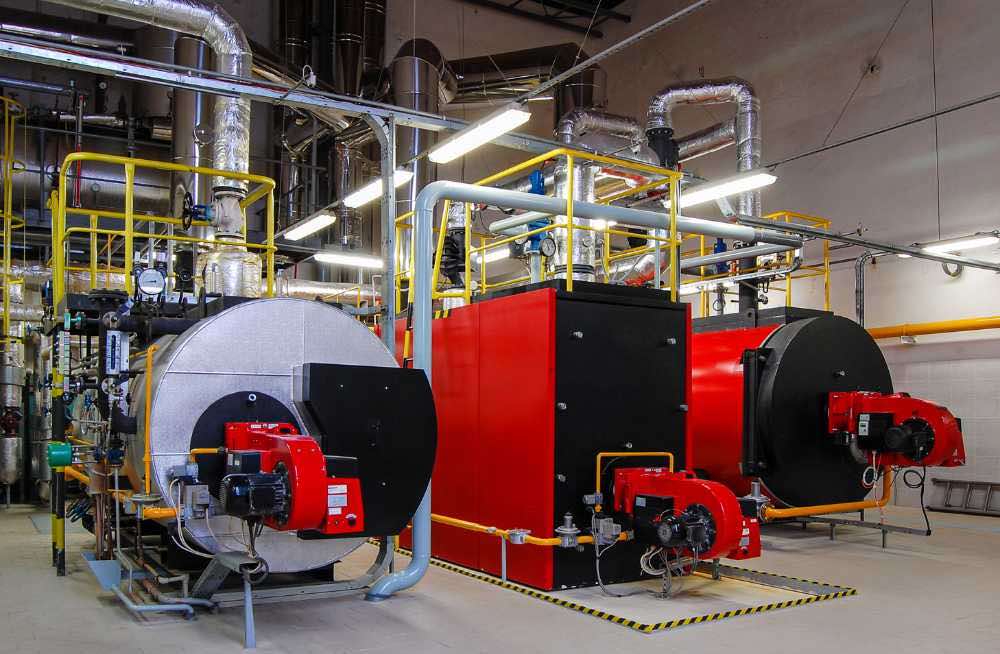
Boiler efficiency directly impacts the overall performance of a power plant, determining how effectively fuel energy is converted into usable steam energy. For experienced engineers, the implications are clear: higher efficiency translates to reduced fuel consumption, lower operational costs, and minimized carbon emissions, all while maximizing the lifecycle of critical equipment.
Table of Contents:
- Introduction
- Importance of Boiler Efficiency in Power Plants
- The Role of Standards in Ensuring Optimal Performance
- Understanding Boiler Efficiency
- Definitions and Key Metrics
- Factors Affecting Boiler Efficiency
- Direct and Indirect Efficiency Measurement Methods
- Global Boiler Efficiency Standards
- Overview of International Standards (ASME, ISO, EN)
- Regional Standards and Regulations
- North America
- Europe
- Asia-Pacific
- Industry-Specific Standards for Power Plants
- Components of Boiler Efficiency Standards
- Combustion Efficiency Requirements
- Heat Loss and Recovery Criteria
- Emissions and Environmental Compliance
- Testing and Certification Processes
- Comparison of Major Boiler Efficiency Standards
- Key Differences and Commonalities
- Case Studies of Standard Adoption in Power Plants
- Benefits of Adhering to Efficiency Standards
- Energy Savings and Cost Reduction
- Environmental and Regulatory Compliance
- Longevity and Reliability of Power Plant Equipment
- Challenges in Meeting Boiler Efficiency Standards
- Retrofitting Older Boilers
- High-Efficiency Design Constraints
- Balancing Cost with Performance
- Choosing the Right Boiler for Your Plant
- Evaluating Efficiency Standards During Procurement
- Aligning Standards with Operational Needs
- Case Studies of Successful Implementations
- Future Trends in Boiler Efficiency Standards
- Advances in Boiler Design and Materials
- Emerging Technologies and Innovations
- Stricter Global Regulations and Their Implications
- Conclusion
- Summary of Boiler Efficiency Standards
- The Role of Standards in Future Power Plant Development
1. Introduction
Importance of Boiler Efficiency in Power Plants
Boiler efficiency directly impacts the overall performance of a power plant, determining how effectively fuel energy is converted into usable steam energy. For experienced engineers, the implications are clear: higher efficiency translates to reduced fuel consumption, lower operational costs, and minimized carbon emissions, all while maximizing the lifecycle of critical equipment. In modern power plants, where advanced turbines demand precise steam conditions, inefficiencies in boilers can cascade into performance losses across the entire system.
Efficiency is particularly critical in high-capacity plants using fuels like natural gas or coal. Even a marginal improvement in efficiency—such as increasing from 88% to 90%—can result in millions of dollars in annual savings, considering large-scale fuel throughput. For combined-cycle plants, where heat recovery steam generators (HRSGs) are utilized, achieving optimal boiler efficiency is essential to maintaining the overall thermal efficiency of the plant.
The Role of Standards in Ensuring Optimal Performance
Boiler efficiency standards serve as benchmarks to ensure consistent performance across diverse operating conditions and fuels. For instance, the ASME PTC 4 and ISO 16528-1 standards provide methodologies for calculating efficiency and addressing heat losses due to radiation, convection, and flue gas composition. These frameworks guide engineers in optimizing design parameters like heat exchanger surface area, material selection (e.g., high-alloy steels like SA-213 T91 for superheater tubes), and refractory linings.
Standards also facilitate compliance with stringent emissions regulations, such as NOx and SOx limits set by regional authorities. Adopting a high-efficiency boiler that aligns with global standards not only enhances performance but also ensures compatibility with future upgrades, such as the integration of carbon capture technologies.
2. Understanding Boiler Efficiency
Definitions and Key Metrics
Boiler efficiency, at its core, measures how effectively a boiler converts energy input (fuel) into useful output (steam). While “thermal efficiency” often headlines discussions, engineers must dissect specific metrics such as combustion efficiency, heat transfer efficiency, and overall boiler efficiency (inclusive of heat losses). Key equations like the ASME’s input-output method or flue gas heat-loss method are essential tools for precision assessment.
Two primary expressions define efficiency:
- Gross Efficiency: Based on the higher heating value (HHV) of the fuel, accounting for latent heat of vaporization.
- Net Efficiency: Based on the lower heating value (LHV), excluding the latent heat of water in the fuel.
Fuel types significantly impact efficiency calculations. For instance, natural gas, with minimal impurities, often achieves a combustion efficiency of over 95%, while biomass boilers, due to higher moisture content, typically operate at 85-90%.
Factors Affecting Boiler Efficiency
Efficiency is not static and hinges on multiple factors, including:
- Heat Losses: These include losses through dry flue gas (stack temperature), unburnt fuel (carbon residue in ash), radiation, and convection from the boiler surface. Material improvements, like using ceramic-fiber refractory linings, can cut radiation losses by up to 50% compared to traditional fireclay.
- Excess Air Ratio: While excess air is necessary for complete combustion, too much air leads to higher flue gas losses. Modern oxygen trim systems, using zirconia probes, help maintain optimal air-fuel ratios.
- Fuel Quality and Composition: Higher sulfur or moisture in fuels results in efficiency penalties. The use of low-sulfur heavy fuel oils or higher-grade coals can significantly improve heat content and combustion uniformity.
- Heat Exchanger Design: Materials like Inconel 625 or SA-387 Grade 91 are used for economizers and superheater sections, ensuring minimal heat loss at elevated temperatures.
Direct and Indirect Efficiency Measurement Methods
- Direct Method: Measures boiler efficiency as a ratio of energy output to input. While simple, this method lacks granularity and is highly dependent on accurate fuel flow and calorific value measurements.
- Indirect Method (Heat Loss Method): Accounts for individual losses, including stack gas, incomplete combustion, and radiation. This method, following ASME PTC 4.1 or EN 12952-15, offers detailed insights. For instance, using economizers made from stainless steel Type 316 can reduce stack gas losses by 5-7%.
Indirect methods provide a clearer picture of inefficiencies, enabling engineers to identify specific areas for improvement, such as optimizing insulation or upgrading burner systems to low-NOx designs. By combining both methods, a more comprehensive understanding of boiler efficiency can be achieved.
3. Global Boiler Efficiency Standards
Overview of International Standards
Boiler efficiency standards ensure consistent performance metrics, enabling engineers to design, operate, and retrofit systems to meet energy and environmental goals. Key international standards include:
- ASME PTC 4 (Performance Test Code for Steam Generators): Widely adopted in North America, this standard provides methodologies for calculating boiler efficiency using both direct and indirect approaches. It covers heat loss quantification, air leakage impact, and stack emissions.
- ISO 16528-1: This international standard outlines the safety and performance requirements for boilers across various pressure ranges, focusing on material selection, welding procedures, and operational limits.
- EN 12952/12953: European standards for water-tube and fire-tube boilers emphasize energy efficiency while ensuring compliance with stringent environmental regulations like the EU Industrial Emissions Directive (IED).
Each standard offers unique methodologies, but all aim to maximize fuel utilization and minimize energy losses. ASME, for instance, places greater emphasis on detailed performance testing, while EN standards often focus on lifecycle energy efficiency and emission control.
Regional Standards and Regulations
North America
In the U.S., boiler efficiency is regulated under the U.S. Department of Energy guidelines, which align with ASME PTC 4. High-efficiency designs often incorporate heat-resistant materials like T91 steel or Inconel 625 in critical sections such as superheaters and economizers to meet DOE targets. The Environmental Protection Agency (EPA) also enforces strict NOx and SOx emission limits under the Clean Air Act, encouraging the adoption of low-NOx burners and flue gas recirculation systems.
Europe
The EU follows the Eco-design Directive and EN standards, which set minimum efficiency thresholds for industrial boilers. Compliance often requires advanced combustion technologies, such as staged air burners or the use of selective catalytic reduction (SCR) systems for emissions control. European boilers frequently employ ferritic-martensitic steels like P92, known for their high creep strength and resistance to thermal fatigue, ensuring compliance with long-term efficiency requirements.
Asia-Pacific
Asia-Pacific regulations are diverse, reflecting varying levels of industrialization. Countries like Japan and South Korea adopt stringent boiler efficiency standards, often referencing JIS and ISO frameworks. Advanced ultra-supercritical (A-USC) designs, incorporating materials like nickel-based alloys (e.g., Haynes 282), are common in high-performance plants. In contrast, developing countries like India and China focus on improving legacy systems by upgrading insulation and economizer designs to meet localized benchmarks.
Industry-Specific Standards for Power Plants
For power plants, standards go beyond generic boiler efficiency requirements, integrating operational reliability and lifecycle cost considerations.
- Combined-Cycle Power Plants (CCPPs): ISO 23144 outlines efficiency parameters for HRSGs, emphasizing minimal pressure drops and maximized heat recovery.
- Coal-Fired Power Plants: ASME STS-1 provides guidance for supercritical boilers, specifying high-temperature materials such as HR120 and Super304H for components exposed to extreme heat.
- Biomass and Waste-Fueled Plants: EN 303-5 focuses on combustion efficiency, requiring specialized materials like ceramic linings to handle ash fouling and corrosive environments.
4. Components of Boiler Efficiency Standards
Combustion Efficiency Requirements
Combustion efficiency measures how effectively a boiler converts fuel energy into usable heat. Efficiency is directly tied to fuel properties, burner design, and air-fuel ratio optimization. High-efficiency standards require precise combustion control to minimize unburned carbon and excess air.
- Material Impact: Modern burners use high-temperature alloys like Hastelloy C-276 for durability under high heat and corrosive conditions.
- Technology Impact: Low-NOx burners with staged combustion reduce NOx formation without sacrificing efficiency. Advanced oxygen trim systems and flue gas analyzers, often compliant with ASME standards, ensure optimized air-fuel ratios dynamically.
Heat Loss and Recovery Criteria
Standards like ASME PTC 4 and EN 12952 demand stringent limits on heat losses from stack gases, radiation, and blowdown. They also emphasize effective heat recovery strategies:
- Stack Gas Losses: The use of economizers and air preheaters, built from SA-210 C steel or 316L stainless steel, recovers significant heat from flue gases. Advanced designs with finned tubes increase surface area, achieving up to 90% heat recovery efficiency.
- Radiation Losses: High-performance insulation materials such as calcium silicate boards and ceramic fiber linings reduce heat loss from boiler surfaces, particularly in high-pressure boilers.
- Blowdown Recovery: Standards require energy recovery from blowdown water using flash tanks or heat exchangers. Duplex stainless steels (e.g., SAF 2205) are often used in blowdown heat exchangers to handle corrosive condensates effectively.
Emissions and Environmental Compliance
Environmental standards (e.g., EU IED, EPA’s Clean Air Act) mandate stringent NOx, SOx, and particulate matter (PM) limits, integrated into boiler efficiency benchmarks. Key technologies include:
- Selective Catalytic Reduction (SCR): Uses catalysts such as titanium dioxide (TiO₂) and vanadium pentoxide (V₂O₅) to reduce NOx levels by 80-90%.
- Flue Gas Desulfurization (FGD): Standards require FGD systems to reduce SOx emissions, often utilizing calcium carbonate (CaCO₃) for wet scrubbing. Advanced dry scrubbers use activated alumina for higher efficiency.
- Particulate Control: Electrostatic precipitators and fabric filters ensure compliance with PM standards. Fabric filters use advanced materials like PTFE membranes, ensuring minimal resistance and high particulate capture efficiency.
Testing and Certification Processes
Efficiency standards include rigorous testing protocols to validate performance under real-world conditions:
- Performance Testing: ASME PTC 4 and ISO 16528-1 prescribe methods for on-site testing of thermal efficiency, radiation losses, and flue gas composition.
- Certification: Boilers must undergo certification by recognized bodies (e.g., ASME Code Stamps, CE Marking) to ensure compliance. Material testing, such as creep rupture tests for alloys like Super304H, ensures reliability under high-pressure, high-temperature conditions.
- Continuous Monitoring: Standards increasingly require integration of IoT sensors and advanced analytics to monitor efficiency metrics in real-time, ensuring compliance and early detection of deviations.
5. Comparison of Major Boiler Efficiency Standards
Key Differences and Commonalities
ASME PTC 4 (Performance Test Code for Steam Generators)
- Focus: Provides detailed methodologies for efficiency testing using both direct and indirect methods. It emphasizes precision in heat loss calculations, including flue gas, radiation, and unburned carbon losses.
- Strengths: Ideal for high-capacity boilers in power plants; offers granular insights into specific loss components.
- Material Guidance: Highlights advanced materials like SA-213 T91 for superheater tubes to reduce thermal inefficiencies.
- Unique Feature: Offers flexibility for custom testing protocols in unique operating conditions, such as combined-cycle power plants (CCPPs).
ISO 16528-1 (Boiler and Pressure Vessel Safety Standards)
- Focus: Globally applicable safety and efficiency requirements, with a broader scope that includes material selection, pressure containment, and operational performance.
- Strengths: Universally recognized, facilitating standardization across multinational projects.
- Material Guidance: Recommends high-temperature alloys like Inconel 718 for critical components to ensure compliance with elevated pressure and temperature requirements.
- Unique Feature: Prioritizes lifecycle safety alongside efficiency, integrating material fatigue and creep resistance considerations.
EN 12952/12953 (Water-Tube and Fire-Tube Boilers)
- Focus: Tailored to European markets with an emphasis on energy efficiency and environmental compliance under the Eco-design Directive and EU Industrial Emissions Directive (IED).
- Strengths: Incorporates specific requirements for low NOx and SOx emissions, mandating technologies like flue gas recirculation (FGR) and selective non-catalytic reduction (SNCR).
- Material Guidance: Encourages the use of ferritic steels like P91 and P92, ensuring optimal performance in supercritical and ultra-supercritical applications.
- Unique Feature: Aligns closely with regional energy policies, making it highly applicable for retrofitting older European plants.
Commonalities Across Standards
- All standards emphasize robust material selection, such as Super304H or HR120, to handle extreme operational conditions.
- Testing methodologies incorporate indirect measurement techniques (e.g., heat loss method) to provide actionable insights into efficiency improvements.
- Focus on emissions control, integrating requirements for NOx, SOx, and PM reduction, with technologies like SCR and FGD systems being universally endorsed.
Case Studies of Standard Adoption in Power Plants
Case 1: Supercritical Coal-Fired Power Plant in North America
- Standard: ASME PTC 4
- Adoption: Implemented to validate a supercritical boiler operating at 310 bar and 600°C. Materials like P92 steel and Inconel 740H were selected for their creep strength and corrosion resistance. Testing revealed a 2% efficiency gain through optimization of excess air ratios and economizer heat recovery.
- Outcome: Achieved compliance with EPA’s NOx and SOx emission limits while improving operational efficiency by reducing stack gas losses.
Case 2: Biomass Power Plant in Europe
- Standard: EN 12952
- Adoption: Used to design a biomass boiler firing wood pellets with high moisture content. The standard guided the selection of ceramic linings to handle ash fouling and SAF 2507 duplex stainless steel for feedwater preheaters.
- Outcome: Met the EU’s IED targets, achieving a 92% combustion efficiency and reducing particulate emissions by 30% compared to previous systems.
Case 3: Combined-Cycle Power Plant in Asia-Pacific
- Standard: ISO 16528-1
- Adoption: Applied in a 1,200 MW gas-fired plant to ensure efficiency and safety. HRSG units incorporated Haynes 230 alloy for high-temperature components, enabling efficient heat transfer and reduced thermal fatigue.
- Outcome: Delivered a net plant efficiency of 58%, meeting regional efficiency mandates while ensuring compatibility with future carbon capture systems.
6. Benefits of Adhering to Efficiency Standards
Energy Savings and Cost Reduction
Adhering to boiler efficiency standards directly translates into lower energy consumption by optimizing fuel usage and minimizing heat losses. Engineers understand that even minor improvements in efficiency can yield substantial operational cost savings, especially in large-scale power plants.
- Heat Recovery Systems: Standards encourage the implementation of economizers and air preheaters using materials like SA-335 P91 steel for high thermal conductivity and durability. This can recover up to 20% of heat from exhaust gases, reducing fuel requirements.
- Advanced Combustion Controls: Compliance often involves upgrading to low-NOx burners and oxygen trim systems. Systems incorporating zirconia-based oxygen sensors can precisely control the air-fuel ratio, minimizing unburned fuel and saving up to 3-5% in fuel costs annually.
- Comparison: Plants adhering to ASME PTC 4 standards report higher energy savings compared to those following less rigorous regional frameworks, particularly when retrofitted with advanced control systems and heat recovery solutions.
Environmental and Regulatory Compliance
Efficiency standards integrate stringent emission limits, helping power plants avoid regulatory penalties and achieve environmental sustainability. Compliance not only ensures adherence to local laws but also demonstrates corporate responsibility toward reducing carbon footprints.
- Emission Control Technologies: Meeting NOx and SOx standards under frameworks like EN 12952 often requires advanced systems like SCR (Selective Catalytic Reduction), using titanium dioxide-based catalysts. These systems reduce NOx emissions by 80-90%, ensuring regulatory compliance.
- Carbon Reduction: High-efficiency boilers emit less CO₂ per unit of energy generated. For instance, ultra-supercritical boilers with materials like Inconel 740H can achieve efficiencies above 45%, reducing CO₂ emissions by approximately 20% compared to subcritical units.
- Economic Advantage: Plants adhering to ISO 16528-1 often qualify for carbon credit programs and energy subsidies, enhancing financial viability while meeting environmental goals.
Longevity and Reliability of Power Plant Equipment
Boiler efficiency standards emphasize materials and design criteria that enhance the durability and reliability of key components, reducing downtime and maintenance costs.
- Material Selection: Standards like ASME PTC 4 and ISO 16528-1 advocate for high-temperature materials such as HR120 and Super304H, which resist creep and corrosion at elevated pressures and temperatures, extending the operational life of boilers.
- Reduced Wear and Tear: By minimizing heat losses and optimizing combustion, standards reduce thermal stress on boiler tubes and refractory linings. This decreases the frequency of repairs and replacements, significantly lowering lifecycle costs.
- Case Study: A coal-fired power plant in Europe adhering to EN 12952 experienced a 15% increase in component life after retrofitting with materials compliant with the standard, such as ferritic-martensitic steels (P92) for high-stress regions.
7. Challenges in Meeting Boiler Efficiency Standards
Retrofitting Older Boilers
Upgrading older boilers to meet modern efficiency standards presents significant engineering and economic challenges, as legacy systems were often designed without considerations for today’s stringent requirements.
- Material Compatibility: Retrofitting economizers or air preheaters into older systems often requires modifications to accommodate newer materials like SA-213 T91 or Inconel 625, which offer superior thermal resistance and durability. Compatibility with existing piping and structural components, often fabricated from older grades like SA-178A, can lead to complex integration issues.
- Space Constraints: Older plants frequently lack the physical space to install modern heat recovery systems or emissions control devices. For example, fitting a Selective Catalytic Reduction (SCR) unit, which requires precise duct layouts and catalyst beds made of vanadium pentoxide (V₂O₅), can necessitate extensive and costly redesigns.
- Case Study: A coal-fired power plant retrofitting under ISO 16528-1 standards experienced a 25% project cost increase due to structural modifications needed to integrate a modern economizer.
High-Efficiency Design Constraints
Designing boilers to achieve high efficiency while adhering to safety and operational standards imposes material and engineering challenges, particularly in high-pressure, high-temperature environments.
- Material Selection for Supercritical Boilers: Ultra-supercritical boilers require materials that withstand pressures above 300 bar and temperatures exceeding 600°C. Alloys like Super304H, HR6W, and Alloy 617 are commonly used, but their high cost and limited machinability can drive up manufacturing expenses.
- Thermal Efficiency vs. Emissions Control: Balancing efficiency with emissions reduction technologies can be challenging. Low-NOx burners, for example, can lead to reduced combustion efficiency if not carefully engineered. Using ceramic-based thermal coatings on burners has been one approach to mitigate these trade-offs, though it adds to production costs.
- Comparison: EN 12952 standards emphasize emissions control and efficiency equally, often requiring multi-component systems like integrated economizer-SCR configurations, which increase both design complexity and capital expenditure.
Balancing Cost with Performance
Achieving compliance with efficiency standards involves substantial capital and operational investments, which must be balanced against the financial benefits of improved efficiency.
- Capital Investment: Advanced materials like Haynes 282 and Inconel 740H for superheater and reheater tubes can increase initial costs by 30-40% compared to traditional ferritic steels. For smaller plants, these costs may outweigh the long-term benefits of higher efficiency.
- Maintenance Costs: Adopting technologies like advanced heat recovery systems or emissions control devices can result in higher maintenance requirements. For example, SCR systems require periodic replacement of catalyst beds, which are typically made of tungsten oxides or zeolite-coated substrates, adding recurring costs.
- Operational Challenges: In regions with fluctuating fuel quality or supply, maintaining high efficiency can be difficult. For instance, low-quality coal increases slagging and fouling, necessitating frequent cleaning and reducing the lifespan of refractory linings.
Mitigation Strategies
- Holistic Retrofits: Upgrades should integrate modular designs to accommodate phased improvements, such as replacing economizers first, followed by emissions controls, to distribute costs over time.
- Innovative Materials: Advanced ceramics and composite materials like SiC-coated fibers offer promising alternatives to traditional metals, providing superior thermal and corrosion resistance at a lower cost.
- Optimized Balance: Adopting hybrid systems, such as combining flue gas recirculation (FGR) with advanced burner technology, can optimize performance while minimizing incremental costs.
8. Choosing the Right Boiler for Your Plant
Evaluating Efficiency Standards During Procurement
Selecting a boiler that meets both efficiency standards and the operational requirements of a power plant is critical to optimizing performance and minimizing lifecycle costs.
- Efficiency Ratings: Boilers must meet or exceed efficiency benchmarks such as ASME PTC 4 for power plants or ISO 16528-1 for general applications. Supercritical and ultra-supercritical boilers typically achieve higher efficiencies (above 45%) compared to subcritical units (~38-42%), making them suitable for plants prioritizing fuel savings and low emissions.
- Material Considerations: Advanced materials like TP347HFG and Super304H for boiler tubes enhance thermal conductivity and resistance to oxidation at high temperatures. In contrast, older materials like SA-210C may limit performance in high-efficiency designs.
- Technology Integration: Boilers with built-in economizers and advanced burner systems, such as those utilizing low-NOx burners with staged combustion, are ideal for meeting emissions requirements without sacrificing efficiency.
Aligning Standards with Operational Needs
Aligning boiler specifications with plant requirements involves balancing efficiency standards with the plant’s fuel type, load variability, and environmental regulations.
- Fuel Flexibility: For plants using variable-quality fuels like lignite or blended coals, boilers equipped with advanced slagging and fouling mitigation systems are essential. Materials like Alloy 617 for reheater tubes and chromium carbide-coated components for slagging zones ensure reliability under such conditions.
- Load Profiles: Plants with fluctuating loads require boilers with quick ramp-up capabilities. Fluidized bed combustion (FBC) boilers, compliant with ISO 16528-2, are well-suited for this purpose, offering high fuel flexibility and stable operation during load changes.
- Environmental Requirements: In regions with stringent NOx and SOx limits, boilers must incorporate technologies like Selective Non-Catalytic Reduction (SNCR) or Dry Sorbent Injection (DSI) systems, which are often mandated under regional standards like EN 12952.
Case Studies of Successful Implementations
- Coal-Fired Power Plant, Europe
- Challenge: An older plant needed to comply with EU directives (EN 12952) while improving efficiency.
- Solution: The plant installed a supercritical boiler with P92 alloy tubes and an integrated economizer-SCR system. This upgrade improved efficiency by 12% and reduced NOx emissions by 80%.
- Outcome: The plant achieved full compliance with EU emissions regulations and reported a payback period of 5 years due to fuel savings.
- Gas-Fired Combined Cycle Plant, Asia
- Challenge: A new combined cycle plant sought to achieve ISO 16528-1 compliance while maximizing operational flexibility.
- Solution: A dual-pressure heat recovery steam generator (HRSG) with materials like Inconel 740H for high-temperature components was selected. The boiler featured an advanced control system for optimized load handling.
- Outcome: The plant achieved efficiency levels above 58% and demonstrated superior ramp-up performance during peak demand periods.
- Biomass Plant, North America
- Challenge: The plant aimed to meet EPA emissions standards while using agricultural residues as fuel.
- Solution: A bubbling fluidized bed (BFB) boiler with erosion-resistant refractory linings and advanced particulate capture systems was installed.
- Outcome: The boiler reduced particulate emissions by 85% and improved thermal efficiency by 10%, ensuring compliance with local regulations.
9. Future Trends in Boiler Efficiency Standards
Advances in Boiler Design and Materials
The continuous evolution of boiler designs and materials aims to meet future efficiency demands and environmental targets.
- Material Innovations: New alloys such as Sanicro 25 and Haynes 282 are becoming standard in ultra-supercritical boilers, capable of withstanding temperatures up to 700°C and pressures exceeding 350 bar. These materials improve creep strength, oxidation resistance, and thermal efficiency compared to older grades like T91 or T92.
- Compact Designs: Modular boilers, such as those based on once-through designs, reduce space requirements and enhance heat transfer efficiency. These are particularly suited for retrofits in space-constrained plants.
- Integration of Renewable Sources: Hybrid boilers that utilize both conventional fuels and renewable energy sources, such as solar thermal integration, are gaining traction. These designs reduce reliance on fossil fuels and improve overall plant efficiency.
Emerging Technologies and Innovations
Cutting-edge technologies are poised to redefine the efficiency and functionality of boilers.
- Artificial Intelligence (AI) and Automation: Advanced control systems using AI algorithms optimize fuel-air mixtures, detect anomalies in real-time, and predict maintenance needs. For instance, AI-based monitoring of economizers and reheaters, fabricated from Super304H or HR3C, can prevent unexpected failures and improve operational reliability.
- Additive Manufacturing (AM): The use of 3D printing to produce complex boiler components, such as burners or heat exchanger tubes, allows for precise engineering and rapid prototyping. Materials like Inconel 625 or titanium aluminides are commonly used in AM for their superior mechanical and thermal properties.
- Carbon Capture Integration: Boilers designed with integrated post-combustion carbon capture systems are emerging as a response to stricter emissions standards. Technologies such as amine-based capture or oxy-fuel combustion systems are being incorporated into new designs to reduce CO₂ output.
Stricter Global Regulations and Their Implications
Global regulations are becoming increasingly stringent, driving the adoption of higher efficiency standards and cleaner technologies.
- Net-Zero Targets: Policies such as the European Union’s Fit for 55 mandate boilers to meet decarbonization goals by 2030. Boilers must now accommodate hydrogen co-firing or full conversion to green hydrogen, necessitating upgrades in burner designs and material selection.
- Regional Emissions Caps: The U.S. EPA’s tightening of NOx and SOx limits under the Clean Air Act has resulted in widespread adoption of low-NOx burners and Selective Catalytic Reduction (SCR) systems. Materials like titanium dioxide-coated catalysts are commonly used for their high efficiency in reducing NOx levels.
- Global Harmonization: Efforts to harmonize standards like ASME, ISO, and EN aim to streamline manufacturing and compliance across international markets. This harmonization may lead to the adoption of ultra-high-efficiency technologies, such as pressurized oxy-combustion boilers, as global benchmarks.
Case Study: Hydrogen-Compatible Boilers
A recent innovation in Japan involves hydrogen-fired boilers designed to achieve nearly zero carbon emissions. These boilers use nickel-based alloys to handle hydrogen’s higher flame temperatures and maintain efficiency comparable to natural gas-fired units. This represents a significant step toward achieving net-zero emissions in power generation.
10. Conclusion
Summary of Boiler Efficiency Standards
Boiler efficiency standards play a critical role in enhancing operational performance, reducing emissions, and improving economic viability in power plants. As the industry moves toward higher efficiency and stricter emissions controls, advanced materials and cutting-edge technologies such as superalloys like Alloy 617 and Inconel 625, low-NOx burner systems, and selective catalytic reduction (SCR) technologies have become integral to meeting global standards. These standards, represented by bodies such as ASME, ISO, and EN, drive the adoption of innovations like ultra-supercritical boilers and carbon capture systems. Key metrics like thermal efficiency, emissions output, and heat recovery capabilities form the foundation for evaluating boiler performance, while advancements in automation and AI further optimize plant operations.
The Role of Standards in Future Power Plant Development
In the face of global climate change and the ongoing push toward sustainability, boiler efficiency standards will continue to evolve, demanding ever-higher performance levels from power plants. The integration of green hydrogen and biomass co-firing technologies, as well as the incorporation of AI-driven predictive maintenance systems, will be essential for meeting future standards. Power plants that invest in advanced boiler designs—such as once-through boilers with HR3C superheater tubes—will not only achieve high efficiency but also gain operational flexibility, ensuring long-term cost savings and regulatory compliance. Moreover, harmonized international standards will facilitate seamless cross-border collaboration and the scalability of high-efficiency technologies.
How Shanghai Turbine Company Can Help Clients Meet These Standards
As a leading boiler manufacturer, our company is positioned to help clients navigate the complexities of meeting modern efficiency standards.
- Cutting-Edge Material Selection: By offering state-of-the-art materials like TP347HFG for supercritical systems or Inconel 740H for high-temperature applications, your company ensures that clients benefit from the latest advancements in material science.
- Customized Solutions: Providing tailored boiler designs that integrate advanced combustion technologies such as fluidized bed combustion or oxy-fuel combustion will help clients meet both efficiency and emissions requirements, even in challenging operational environments.
- Lifecycle Optimization: Your company’s expertise in lifecycle management, from installation to retrofitting and ongoing maintenance, will ensure that clients maximize the long-term performance of their systems. Offering services like predictive maintenance powered by AI and carbon capture integration will further align clients with both current and future efficiency standards.
- Compliance Expertise: Your company’s deep understanding of local and international standards will guide clients through the regulatory landscape, ensuring compliance with increasingly stringent laws and helping them stay ahead of upcoming regulations.
In conclusion, as the demand for higher boiler efficiency standards intensifies, companies like yours play a pivotal role in shaping the future of power plant development. By integrating advanced materials, cutting-edge technologies, and providing compliance expertise, you can help your clients achieve optimal performance while meeting the evolving standards of tomorrow.


