
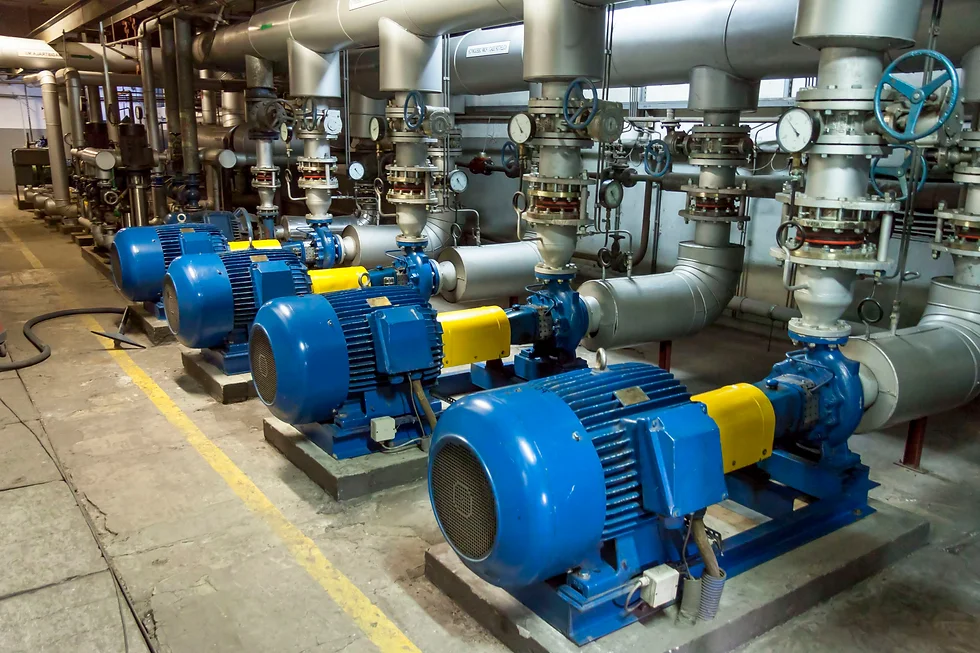
Pumps for power generation are the backbone of modern power plants, playing a pivotal role in maintaining operational efficiency and reliability. For experienced engineers, selecting the right pump type and optimizing its performance is not just a task—it’s a necessity to meet the evolving demands of energy production. From advanced material selection to cutting-edge technologies like IoT-based monitoring and high-efficiency designs, this guide dives deep into the strategies and innovations that can transform pump systems into precision-engineered solutions. Whether you’re tackling extreme conditions, minimizing energy losses, or complying with stringent industry standards, this comprehensive resource is tailored to help you stay ahead in the field.
Latest Advancements in Industrial Pumps for Power Generation
Table of Contents- Introduction: Redefining Efficiency in Power Generation
- The evolving demands of industrial pumps for power generation
- Why pump performance is critical to plant optimization
- Comparative Analysis of Pump Types in Power Generation
- Centrifugal vs. positive displacement pumps: Strengths and limitations
- Applications of multistage pumps in high-pressure systems
- Specialized pumps for unique challenges: Boiler feed, condensate, and cooling water
- Material Selection for Pumps in Extreme Conditions
- Metallurgical advancements: Alloys and composites for high-temperature and corrosive environments
- Wear-resistant coatings and their impact on pump longevity
- Energy Efficiency in Pumps: A Cost-Benefit Perspective
- Analyzing energy losses in pump operation
- Variable frequency drives (VFDs) and their role in energy optimization
- The economics of high-efficiency pumps
- Reliability Engineering: Mitigating Failures and Downtime
- Common failure modes in power plant pumps
- Predictive maintenance strategies: AI and IoT-based monitoring
- The role of redundancy in critical pump systems
- Hydraulic Performance and Design Optimization
- Impeller design for specific flow rates and head requirements
- Minimizing cavitation and maximizing NPSH (Net Positive Suction Head)
- Advanced simulation tools for pump design and performance evaluation
- Compliance with Industry Standards and Regulations
- Meeting ASME, API, and ISO standards for industrial pumps
- Environmental regulations and pump efficiency requirements
- Case-by-Case Selection of Pumps for Power Plant Applications
- Tailored solutions for thermal, hydro, and nuclear power plants
- Balancing CAPEX and OPEX in pump selection
- Analyzing lifecycle costs for long-term benefits
- Technological Innovations in Industrial Pumps for Power Generation
- Emerging trends: Magnetic drive pumps and seal-less designs
- Integration of smart technologies for real-time diagnostics
- The future of energy-efficient and environmentally friendly pumps
- Conclusion: Driving Power Generation Forward with Precision and Innovation
- The importance of making data-driven decisions in pump selection
- Partner with us for cutting-edge pump solutions
Introduction: Redefining Efficiency in Power Generation
The Evolving Demands of Power Generation
The global energy landscape is shifting, driven by the dual pressures of increasing energy demand and stringent environmental regulations. Power plants, whether thermal, hydro, nuclear, or renewable, are expected to deliver higher output with minimal environmental impact. These evolving demands require equipment that can operate with maximum efficiency, reliability, and precision, even in challenging conditions.
For engineers, the challenge lies not just in maintaining operational continuity but in optimizing every component within the system. Pumps, often considered the workhorses of power generation, play an indispensable role in this optimization. They must handle high pressures, extreme temperatures, and corrosive fluids, all while contributing to the overall energy efficiency of the plant.
Why Pump Performance is Critical to Plant Optimization
In power generation, pumps account for a significant portion of auxiliary energy consumption, sometimes exceeding 20% of a plant’s total energy usage. Suboptimal pump performance can lead to cascading inefficiencies across the system, including:
- Increased energy consumption, inflating operating costs
- Reduced reliability, leading to costly downtime
- Accelerated wear and tear, shortening equipment lifespan
Modern power plants demand pumps that are not just reliable but also highly efficient and tailored to specific operational requirements. Advanced hydraulic designs, precise material selection, and cutting-edge monitoring technologies have become essential for engineers to ensure optimal performance.
Pump performance directly influences critical systems such as:
- Boiler feedwater circulation: Ensuring consistent and high-pressure water supply to boilers to sustain steam generation
- Cooling water systems: Maintaining precise temperature regulation for turbines and condensers
- Fuel transfer: Efficiently handling viscous or volatile fuels to maintain uninterrupted power generation
Comparative Analysis of Pump Types in Power Generation
Centrifugal vs. Positive Displacement Pumps: Strengths and Limitations
Experienced engineers know that selecting the right pump type is fundamental to achieving system reliability and efficiency. In power generation, the choice between centrifugal and positive displacement pumps hinges on specific application requirements, flow characteristics, and operating conditions. Centrifugal Pumps- Strengths:
- Best suited for high-flow, low-viscosity fluids where a continuous, steady flow is required.
- Scalable across a wide range of capacities and pressures with options like single-stage or multistage configurations.
- Lower initial costs, simpler design, and minimal maintenance for standard applications.
- Limitations:
- Performance heavily dependent on system conditions; reduced efficiency at varying flow rates.
- Susceptible to cavitation in low NPSH (Net Positive Suction Head) environments.
- Limited capability in handling highly viscous or variable-consistency fluids.
- Strengths:
- Deliver precise flow regardless of pressure variations, ideal for metering and chemical dosing.
- Exceptional handling of viscous, abrasive, or shear-sensitive fluids.
- Self-priming capabilities, reducing reliance on external priming systems.
- Limitations:
- Higher initial costs and more complex maintenance routines.
- Lower efficiency for high-capacity applications, making them unsuitable for large-scale cooling or circulation systems.
- Susceptibility to over-pressurization without proper safeguards.
Applications of Multistage Pumps in High-Pressure Systems
Multistage centrifugal pumps are indispensable in high-pressure applications such as boiler feedwater systems in thermal power plants. Their ability to incrementally increase pressure by passing fluid through multiple impellers in series offers distinct advantages:- High Efficiency at High Pressures: Multistage designs achieve the required head while maintaining energy efficiency, outperforming single-stage alternatives.
- Compact Footprint: Compared to alternatives like reciprocating pumps, multistage pumps deliver equivalent pressure with a smaller spatial requirement.
- Operational Stability: Ideal for handling clean, low-viscosity fluids without significant wear, even under prolonged high-pressure operation.
- Cavitation risks are mitigated by precise NPSH evaluation and incorporating advanced impeller designs.
- Axial thrust balancing mechanisms, such as balancing discs or drum systems, ensure smooth operation even under extreme conditions.
Specialized Pumps for Unique Challenges
Power generation systems involve diverse fluid-handling requirements that demand tailored pump solutions:- Boiler Feed Pumps:
- High-pressure multistage centrifugal pumps dominate this application, ensuring the seamless transfer of feedwater to high pressure boilers under extreme temperatures .
- Advanced sealing systems and material choices, such as stainless steel or nickel alloys, enhance reliability in corrosive environments.
- Condensate Pumps:
- Designed for low-pressure, high-flow operation, condensate pumps must handle liquid at or near vapor pressure.
- Compact vertical designs with optimized NPSH performance minimize cavitation risks in steam cycle systems.
- Cooling Water Pumps:
- Axial flow or mixed flow centrifugal pumps excel in circulating large volumes of cooling water with minimal energy consumption.
- Anti-corrosive materials and coatings are critical for pumps operating in seawater or chemically treated cooling systems.
Material Selection for Pumps in Extreme Conditions
Metallurgical Advancements: Alloys and Composites for High-Temperature and Corrosive Environments
In power generation, pumps are often subjected to extreme conditions, including high temperatures, aggressive chemical environments, and abrasive fluids. Material selection is not merely a matter of durability but a critical factor in ensuring operational reliability, minimizing maintenance, and extending pump service life.
High-Temperature Alloys
- Superalloys: Nickel-based alloys such as Inconel and Hastelloy excel in high-temperature applications, offering excellent creep resistance and thermal stability. These are commonly used in boiler feed pumps and steam cycle systems.
- Austenitic Stainless Steel: Grades like 316 and 347 provide a balance of strength, corrosion resistance, and cost-effectiveness, making them ideal for moderate temperature and mildly corrosive environments.
- Ferritic-Martensitic Steels: For ultra-supercritical plants, ferritic-martensitic steels (e.g., T91 or P91) offer enhanced creep strength and oxidation resistance, critical for pumps operating in temperatures exceeding 600°C.
Corrosion-Resistant Materials
- Duplex and Super Duplex Stainless Steel: With a unique dual-phase structure, these alloys provide superior resistance to pitting, stress corrosion cracking, and erosion, especially in seawater cooling or brine-handling systems.
- Titanium Alloys: Known for their exceptional corrosion resistance in chloride-rich environments, titanium is often the material of choice for pumps in offshore and desalination plants.
- Specialized Coatings on Base Metals: Metallurgical advancements now allow for cost-effective combinations of standard alloys with high-performance coatings, reducing the need for exotic materials in non-critical areas.
Composite Materials in Pump Components
- Carbon-reinforced composites are increasingly used for impellers and wear rings in high-efficiency pumps. These materials reduce friction, enhance energy efficiency, and resist wear in abrasive environments.
Emerging Trends:
- Additive manufacturing is enabling the use of gradient materials, where properties can be tailored for specific regions of a pump component, reducing both material waste and production costs.
- Ceramic-metallic (cermet) composites are gaining traction for their ability to combine the wear resistance of ceramics with the toughness of metals.
Wear-Resistant Coatings and Their Impact on Pump Longevity
Pumps for power generation operating in extreme conditions often face abrasive wear, erosion, and corrosion, which can significantly reduce their lifespan. Wear-resistant coatings are a cost-effective solution to mitigate these issues, enhancing both performance and longevity.
Common Coating Types:
- Thermal Spray Coatings:
- HVOF (High-Velocity Oxy-Fuel): Produces dense, hard coatings using tungsten carbide or chromium carbide, ideal for resisting abrasive wear in slurry pumps.
- Plasma Spraying: Effective for applying ceramics like alumina and zirconia, offering exceptional resistance to high-temperature oxidation.
- Electroless Nickel Coatings:
- Enhanced with phosphorus or boron, these coatings provide uniform coverage, excellent wear resistance, and protection against chemical corrosion, making them suitable for high-precision pump components.
- PVD/CVD Coatings (Physical/Chemical Vapor Deposition):
- Used for applying ultra-hard materials like titanium nitride or diamond-like carbon, these coatings are ideal for critical components like seals and impellers, where dimensional precision is vital.
- Polymeric Coatings:
- Epoxy-based coatings are commonly used for corrosion protection in pumps handling aggressive chemicals. Newer polymer formulations incorporate ceramic fillers for enhanced abrasion resistance.
Factors Influencing Coating Selection:
- Operating Environment: Abrasive slurries demand hard coatings, while corrosive environments may prioritize chemical resistance.
- Component Function: Impellers and casings typically require wear-resistant coatings, whereas shafts and seals may prioritize low-friction surfaces.
- Application Method: The method must ensure coating adhesion and uniformity, particularly for complex geometries.
Long-Term Benefits of Coatings:
- Extended Service Life: Coatings significantly reduce wear, allowing pumps to operate longer between overhauls.
- Improved Efficiency: Friction-reducing coatings enhance hydraulic performance, reducing energy consumption.
- Cost Savings: While initial coating costs may be high, the reduced need for frequent replacements and repairs often results in a favorable lifecycle cost.
Energy Efficiency in Pumps: A Cost-Benefit Perspective
Analysing Energy Losses in Pump Operation
For experienced engineers, understanding the root causes of energy inefficiency in pumps for power generation systems is essential for optimizing performance and minimizing costs. Key areas of energy loss include:
- Hydraulic Losses:
- Result from turbulence, recirculation, and improper impeller design.
- Mitigation strategies include optimizing impeller geometry, matching pump size to the system curve, and using computational fluid dynamics (CFD) to minimize flow disruptions.
- Mechanical Losses:
- Occur due to friction in bearings, seals, and shafts.
- Advances such as magnetic bearings and low-friction seals can significantly reduce mechanical drag.
- Volumetric Losses:
- Arise from leakage between high- and low-pressure zones, particularly in worn pumps.
- High-performance wear rings and tighter clearance designs can minimize these losses.
- Electric Losses in Motors:
- Inefficiencies in motor design or mismatched load conditions can lead to excessive energy consumption.
- Premium efficiency motors (meeting or exceeding IE3/IE4 standards) offer tangible benefits in power savings.
Variable Frequency Drives (VFDs) and Their Role in Energy Optimization
VFDs have revolutionized pump operation by enabling precise control of motor speed and, consequently, pump output. In power generation, where fluctuating demand often requires adaptable systems, VFDs provide significant energy and operational benefits:
- Energy Savings:
- Traditional fixed-speed pumps often rely on throttling or bypass valves to adjust flow, leading to wasted energy. VFDs adjust pump speed directly, reducing energy use in proportion to the cube of the speed reduction (affinity laws).
- For example, reducing pump speed by 20% can cut energy consumption by nearly 50%.
- Improved System Reliability:
- VFDs enable soft starting, reducing mechanical stress on pump components and motor windings.
- By dynamically adjusting speed, VFDs mitigate pressure surges and water hammer effects, extending the lifespan of both pumps and piping systems.
- Adaptability to Process Changes:
- VFDs allow pumps to handle variable flow and pressure demands without requiring costly and inefficient mechanical modifications.
- Integration with advanced monitoring systems enables real-time performance adjustments based on feedback from sensors.
Challenges and Solutions:
- Harmonics introduced by VFDs can cause power quality issues. Engineers can address this with harmonic filters or multi-pulse VFD configurations.
- Higher upfront costs for VFDs may deter some projects, but lifecycle savings in energy and maintenance often justify the investment.
The Economics of High-Efficiency Pumps
Switching to high-efficiency pumps is not merely a technical decision—it is a strategic financial one. Here’s an analytical breakdown:
- Initial Investment vs. Lifecycle Costs:
- High-efficiency pumps typically have a higher capital cost due to superior materials, precision manufacturing, and advanced designs.
- However, the energy savings and reduced maintenance costs often offset the upfront expense within 1-3 years, depending on operational hours and energy tariffs.
- Quantifying Energy Savings:
- Consider a pump operating continuously at 500 kW with a baseline efficiency of 75%. Upgrading to an 85%-efficient model reduces energy consumption by ~59 kW, saving approximately 515,000 kWh annually. At $0.10 per kWh, this translates to $51,500 in yearly savings.
- Environmental and Regulatory Benefits:
- Energy-efficient pumps reduce CO₂ emissions, helping plants meet tightening environmental standards.
- Many regions offer subsidies or tax incentives for upgrading to energy-efficient equipment, further improving ROI.
- Extended Service Life:
- High-efficiency pumps are often built with better materials and tighter tolerances, reducing wear and prolonging operational life.
- Lower operational stress translates to fewer breakdowns and less frequent replacements.
Reliability Engineering: Mitigating Failures and Downtime
Common Failure Modes in Power Plant Pumps
Reliability in pumps for power generation systems is critical for power plants, where unplanned downtime can lead to significant operational and financial losses. Understanding and addressing common failure modes is the first step toward ensuring consistent performance:
- Cavitation:
- Cause: Inadequate NPSH, high fluid temperatures, or sudden pressure drops.
- Impact: Erosion of impeller surfaces, reduced efficiency, and catastrophic failure if left unaddressed.
- Mitigation: Improved suction design, precision impeller balancing, and advanced materials resistant to cavitation erosion.
- Seal Failures:
- Cause: Excessive vibration, misalignment, or wear from abrasive fluids.
- Impact: Leakage, contamination, and operational downtime.
- Mitigation: Use of mechanical seals with robust designs, such as double seals or cartridge seals, and precise shaft alignment.
- Bearing Failures:
- Cause: Improper lubrication, overloading, or misalignment.
- Impact: Increased vibration, heat generation, and eventual seizure.
- Mitigation: Implementing automated lubrication systems and real-time monitoring for bearing temperature and vibration.
- Erosion and Corrosion:
- Cause: Handling of abrasive or corrosive fluids, particularly in cooling or boiler feed applications.
- Impact: Accelerated wear of impellers, casings, and wear rings.
- Mitigation: Use of wear-resistant coatings and corrosion-resistant materials, along with periodic inspections.
- Electrical Motor Failures:
- Cause: Overheating, voltage imbalances, or insulation breakdown.
- Impact: Motor burnout, reduced efficiency, and operational delays.
- Mitigation: Employing variable frequency drives (VFDs) with overload protection and condition monitoring systems.
Predictive Maintenance Strategies: AI and IoT-Based Monitoring
Predictive maintenance is revolutionizing reliability engineering by leveraging real-time data to anticipate and prevent failures. In power generation, where uptime is paramount, AI and IoT-based systems are becoming indispensable tools.- Real-Time Monitoring:
- IoT sensors continuously track key parameters such as vibration, temperature, pressure, and flow rates.
- Anomalies are detected early, allowing for proactive intervention before minor issues escalate into major failures.
- AI-Driven Diagnostics:
- Machine learning models analyze historical and real-time data to identify patterns indicative of impending failures.
- These systems can predict seal wear, cavitation onset, or bearing degradation with remarkable accuracy, reducing reliance on scheduled inspections.
- Integration with Maintenance Management Systems (CMMS):
- Predictive insights are seamlessly integrated into CMMS platforms, automating work orders and optimizing maintenance schedules.
- This reduces unplanned downtime and extends the operational lifespan of pump systems.
- Case Study Insight:
- A thermal power plant integrating IoT sensors and AI analytics reduced pump-related downtime by 40% within the first year, saving over $1 million in lost productivity and repair costs.
- Initial costs for implementing IoT infrastructure can be high, but the long-term ROI through reduced downtime and extended asset life is compelling.
- Cybersecurity risks can be mitigated by employing robust data encryption and network segmentation practices.
The Role of Redundancy in Critical Pump Systems
In power generation, the criticality of certain pump systems necessitates redundancy to ensure uninterrupted operation. Key approaches include:- Parallel Pumping Configurations:
- Deploying multiple pumps in parallel ensures that even if one fails, the system maintains its required flow and pressure.
- Automatic switchover mechanisms enable seamless transitions, minimizing operational disruptions.
- Standby Pumps:
- Standby pumps remain idle until needed, providing immediate backup during maintenance or unexpected failures.
- For boiler feed systems, dedicated standby pumps are often mandatory to meet regulatory and safety standards.
- Redundant Power Supplies:
- Ensuring uninterrupted power to critical pumps through dual power supplies or backup generators is crucial.
- Redundant electrical systems prevent motor failure due to power outages or voltage fluctuations.
- Fail-Safe Controls:
- Advanced control systems continuously monitor pump performance and trigger redundancy mechanisms when thresholds are breached.
- Integration with predictive maintenance systems ensures optimal use of both active and standby pumps.
Hydraulic Performance and Design Optimization
Impeller Design for Specific Flow Rates and Head Requirements
The impeller is the heart of any pump, and its design directly influences hydraulic efficiency, reliability, and overall performance. For power generation applications, where pumps often operate under challenging and variable conditions, custom-tailored impeller designs are essential.
- Matching Flow and Head Requirements:
- High-Flow, Low-Head Applications: Utilize axial flow impellers for maximum volumetric efficiency, such as in cooling water pumps.
- Medium-Head Applications: Radial flow impellers with optimized blade angles strike a balance between efficiency and head delivery, often used in boiler feed pumps.
- High-Head, Low-Flow Applications: Multistage pumps with sequential impellers deliver exceptional performance in applications like condensate extraction.
- Optimization Techniques:
- Blade Geometry: Computational Fluid Dynamics (CFD) simulations allow precise control over blade angle, curvature, and thickness to minimize turbulence and flow separation.
- Split-Vane Designs: Reduce secondary flows and improve efficiency in radial flow impellers, especially for applications requiring high head.
- Materials: Advanced alloys and composites ensure the impeller maintains its structural integrity under high temperatures, pressures, or abrasive conditions.
- Case Study:
- A power plant upgraded its impellers with a split-vane radial design, achieving a 10% increase in hydraulic efficiency and a significant reduction in vibration-induced failures.
Minimizing Cavitation and Maximizing NPSH
Cavitation remains a critical challenge in pump systems, particularly in power generation, where high temperatures and fluctuating pressures exacerbate the problem. Engineers must carefully balance design and operational parameters to mitigate cavitation and maximize Net Positive Suction Head (NPSH).
- Understanding NPSH:
- NPSH Available (NPSHa): Determined by the system design, including suction tank elevation, fluid temperature, and piping configuration.
- NPSH Required (NPSHr): A function of the pump’s design, particularly the impeller geometry and operating speed.
- Cavitation Mitigation Strategies:
- Optimized Suction Design: Use straight, short suction piping to minimize pressure losses. Eliminate sharp bends near the pump inlet to prevent flow separation.
- Inducer Impellers: Precede the main impeller with an inducer to reduce NPSHr by stabilizing the flow entering the pump.
- Operational Adjustments: Reduce operating speed during periods of high temperature or low suction head.
- Innovative Approaches:
- Anti-Cavitation Coatings: Apply specialized coatings to impellers and casings to resist cavitation erosion and extend pump life.
- Dynamic Monitoring: Employ pressure and vibration sensors to detect cavitation onset in real time, allowing corrective actions.
Advanced Simulation Tools for Pump Design and Performance Evaluation
The rise of sophisticated simulation tools has transformed pump design, allowing engineers to predict performance, identify inefficiencies, and refine designs before physical prototypes are built.
- Computational Fluid Dynamics (CFD):
- Flow Visualization: Visualize complex flow patterns, including turbulence, recirculation, and pressure distribution.
- Optimization: Evaluate multiple design iterations rapidly, optimizing impeller and volute geometry for specific operating conditions.
- Validation: CFD simulations provide performance curves for flow rate, head, and efficiency, closely matching real-world data.
- Finite Element Analysis (FEA):
- Structural Integrity: Assess stress, deformation, and vibration in pump components under various operating conditions.
- Thermal Analysis: Evaluate the effects of high temperatures on material performance, particularly in boiler feed and supercritical applications.
- Digital Twins:
- Create virtual replicas of pump systems, integrating real-time operational data for predictive diagnostics and performance forecasting.
- Digital twins enable iterative testing and fine-tuning of operational parameters without disrupting the physical system.
- Case Example:
- A thermal power station implemented CFD and FEA in the redesign of its high-pressure boiler feed pump. This reduced NPSHr by 15% and extended mean time between failures (MTBF) by 20%.
Compliance with Industry Standards and Regulations
Meeting ASME, API, and ISO Standards for Industrial Pumps
Industrial pumps for power generation must adhere to stringent global standards to ensure safety, reliability, and efficiency. These standards are critical for maintaining operational integrity in high-stakes environments and often drive the engineering and procurement decisions for power plant applications.
- ASME Standards (American Society of Mechanical Engineers):
- Focus Areas:
- Pressure integrity and mechanical design of pump components.
- Ensuring reliability under high-pressure and high-temperature conditions typical of boiler feed or cooling water systems.
- Application in Design:
- ASME B73.1 (Centrifugal Pumps): Commonly used in general industrial applications but tailored for durability and efficiency in power plants.
- ASME VIII (Pressure Vessels): Often referenced in casing designs for pumps operating in extreme pressure environments.
- Focus Areas:
- API Standards (American Petroleum Institute):
- Focus Areas:
- High-performance, heavy-duty pumps for critical applications such as condensate extraction and feedwater systems.
- Enhanced reliability for prolonged operation without failure, minimizing the need for frequent maintenance.
- Key Standards:
- API 610: Covers centrifugal pumps used in petroleum, petrochemical, and natural gas industries but is widely adopted for power generation applications.
- API 682: Specifies mechanical seal systems to ensure compatibility with challenging operational environments, including high temperatures and pressures.
- Focus Areas:
- ISO Standards (International Organization for Standardization):
- Focus Areas:
- Global consistency in design, testing, and operational parameters.
- Supporting sustainability goals through efficiency benchmarks.
- Notable Standards:
- ISO 9906: Defines the hydraulic performance testing of centrifugal pumps to ensure compliance with contractual specifications.
- ISO 5199: Addresses technical specifications for medium-duty pumps to guarantee mechanical reliability.
- Focus Areas:
- Challenges and Innovations in Compliance:
- Balancing the need for high performance with cost constraints during material selection and fabrication.
- Leveraging additive manufacturing to produce complex components that adhere to both ISO and API dimensional and performance requirements.
Environmental Regulations and Pump Efficiency Requirements
Compliance with environmental standards is no longer optional but a strategic necessity for power plants aiming to reduce emissions, optimize resource use, and align with regulatory frameworks.
- Efficiency Benchmarks:
- Global Standards:
- ErP (Energy-Related Products Directive): Sets minimum efficiency thresholds for industrial equipment in the EU, including pumps.
- DOE (Department of Energy): Establishes energy efficiency standards for pumps in the United States, targeting reduced power consumption.
- Operational Focus:
- Pumps must meet minimum efficiency levels even under part-load conditions, necessitating designs that minimize hydraulic losses and optimize flow paths.
- Global Standards:
- Emission Reduction Requirements:
- Focus Areas:
- Lowering greenhouse gas emissions from auxiliary power usage in pump operations.
- Controlling leakage of fluids that may lead to environmental contamination.
- Innovative Solutions:
- Sealless magnetic drive pumps eliminate the risk of fugitive emissions in critical applications.
- High-efficiency motors with integrated VFDs reduce power consumption, aligning with emissions targets.
- Focus Areas:
- Water and Waste Regulations:
- Cooling Water Management: Compliance with laws like the U.S. Clean Water Act requires pumps to minimize entrainment and impingement of aquatic organisms in cooling systems.
- Wastewater Treatment: Pumps used in effluent systems must meet stringent requirements for chemical resistance and flow control to prevent environmental violations.
Real-World Insights
- Case Study:
- A combined-cycle power plant in Europe upgraded its feedwater and cooling pumps to comply with ISO 9906 efficiency standards and EU ErP directives. The move not only ensured compliance but also led to a 12% reduction in auxiliary power usage, saving millions annually.
- Engineering Innovations:
- Advanced CFD modeling allows precise adherence to API 610 guidelines while ensuring that pumps operate at peak efficiency under all conditions.
- Smart monitoring systems integrated with ISO 5199-compliant pumps provide real-time data to predict potential non-compliance, enabling corrective action before regulatory breaches occur.
Case-by-Case Selection of Pumps for Power Plant Applications
Tailored Solutions for Thermal, Hydro, and Nuclear Power Plants
Different power generation methods impose unique demands on pump systems, making tailored solutions essential for maximizing efficiency, reliability, and performance.
- Thermal Power Plants:
- Boiler Feed Pumps (BFPs):
- Handle extreme pressures and temperatures, often exceeding 300 bar and 200°C.
- Multistage centrifugal pumps with advanced seal systems and robust materials ensure reliability in supercritical and ultra-supercritical plants.
- Condensate Extraction Pumps (CEPs):
- Operate under low NPSH conditions, requiring precision designs to minimize cavitation risks.
- Inducer-based centrifugal pumps or specially designed vertical pumps are commonly used.
- Cooling Water Pumps:
- Axial flow or mixed flow pumps deliver high flow rates at low heads, critical for maintaining efficient heat exchange.
- Boiler Feed Pumps (BFPs):
- Hydro Power Plants:
- Penstock Pumps:
- Designed to manage water flow variations due to fluctuating demand and natural reservoir levels.
- Incorporate wear-resistant coatings and materials to combat erosion from suspended particulates.
- Drainage and Dewatering Pumps:
- Support turbine housing and maintenance operations, demanding compact, portable designs with high reliability.
- Penstock Pumps:
- Nuclear Power Plants:
- Primary Coolant Pumps:
- Must meet stringent safety and performance standards, with low-leakage designs to handle radioactive fluids.
- Utilize sealless or canned motor pumps to minimize contamination risks.
- Emergency Core Cooling System (ECCS) Pumps:
- Designed for rapid deployment during critical events, requiring redundancy and rigorous testing.
- Primary Coolant Pumps:
Balancing CAPEX and OPEX in Pump Selection
The initial capital expenditure (CAPEX) and ongoing operational expenditure (OPEX) are critical considerations in pump selection, with trade-offs varying based on application and plant type.
- CAPEX Considerations:
- High-efficiency pumps often involve greater upfront costs due to advanced materials, precision manufacturing, and state-of-the-art design tools.
- Custom-engineered solutions tailored to unique power plant requirements may further increase initial investments.
- OPEX Optimization:
- Energy consumption accounts for a significant portion of lifetime costs. Pumps with variable frequency drives (VFDs) and optimized hydraulic performance can reduce energy usage by 10–30%.
- Maintenance costs can be minimized by selecting pumps with modular designs and readily available spare parts.
- Predictive maintenance systems employing IoT and AI technologies reduce unplanned downtimes, further lowering OPEX.
- Case Study:
- A nuclear facility opted for high-efficiency, sealless pumps with integrated monitoring systems, resulting in a 20% reduction in lifecycle costs despite a 15% increase in CAPEX.
Analyzing Lifecycle Costs for Long-Term Benefits
Lifecycle cost analysis (LCCA) is a cornerstone of modern pump selection, offering a comprehensive view of total expenses over the pump’s operational life.
- Key Components of LCCA:
- Acquisition Costs: Initial purchase price, installation, and commissioning expenses.
- Energy Costs: Detailed analysis of power consumption under various operating scenarios.
- Maintenance Costs: Includes routine servicing, spare parts, and unplanned repairs.
- Downtime Costs: Evaluating lost revenue due to outages caused by pump failures or maintenance.
- Decommissioning Costs: End-of-life disposal or recycling, particularly significant for pumps handling hazardous fluids.
- Advanced Tools for LCCA:
- Simulation Software: Predicts energy and maintenance costs across different operational conditions.
- Data-Driven Insights: Real-time monitoring systems provide operational data to refine lifecycle cost models.
- Case Study:
- A hydroelectric plant replaced aging pumps with high-efficiency units optimized for fluctuating reservoir levels. While CAPEX increased by 25%, energy savings and reduced maintenance costs resulted in a payback period of under five years.
Technological Innovations in Industrial Pumps for Power Generation
Emerging Trends: Magnetic Drive Pumps and Seal-Less Designs
The evolution of pump technology has been driven by the demand for enhanced safety, reduced environmental impact, and increased reliability in power generation. Magnetic drive pumps and seal-less designs have emerged as transformative solutions, particularly in critical applications.
- Magnetic Drive Pumps:
- Key Features:
- Eliminate the need for mechanical seals by employing magnetic couplings for torque transfer.
- Designed to handle hazardous or toxic fluids with zero leakage, ensuring environmental safety.
- Applications in Power Generation:
- Nuclear Power Plants: Ideal for radioactive coolant systems, reducing contamination risks.
- Thermal Plants: Used in high-temperature applications where seal failure risks are heightened.
- Challenges and Solutions:
- High Initial Cost: Offset by reduced maintenance and downtime.
- Limited Torque: Advances in rare-earth magnets have improved performance, expanding the applicability of these pumps.
- Key Features:
- Seal-Less Designs:
- Canned Motor Pumps:
- Encase the motor and pump in a single, sealed unit, eliminating external leakage.
- Frequently used in feedwater and chemical injection systems.
- Benefits Over Traditional Designs:
- Enhanced durability in extreme environments.
- Reduced maintenance demands, particularly in systems with aggressive fluids or abrasive particles.
- Canned Motor Pumps:
Integration of Smart Technologies for Real-Time Diagnostics
The integration of smart technologies has redefined maintenance and operational efficiency for industrial pumps, providing unprecedented visibility into performance metrics.
- IoT-Enabled Monitoring Systems:
- Capabilities:
- Continuous monitoring of flow rates, pressure, temperature, and vibration levels.
- Immediate detection of anomalies, such as cavitation or bearing wear, reducing unplanned downtimes.
- Applications:
- Thermal plants with complex auxiliary systems benefit from predictive maintenance alerts, ensuring uninterrupted operation.
- Hydro plants utilize IoT systems to monitor water flow and sediment accumulation in real-time.
- Capabilities:
- AI and Machine Learning (ML):
- Use Cases:
- Predictive analytics to forecast maintenance needs based on historical data.
- Optimization of pump performance by adjusting operating parameters dynamically.
- Example:
- A power generation facility employing ML algorithms identified a recurring cavitation issue, prompting impeller redesign and achieving a 15% efficiency gain.
- Use Cases:
- Digital Twins:
- Virtual replicas of pump systems allow engineers to simulate operational conditions, evaluate potential failures, and test design modifications without disrupting live systems.
- Widely adopted in large-scale thermal and nuclear plants for critical pump systems.
The Future of Energy-Efficient and Environmentally Friendly Pumps
The pump industry is moving towards designs that prioritize energy efficiency and environmental sustainability, aligning with global trends in power generation.
- Next-Generation Materials:
- Composites and Advanced Alloys:
- Reduce weight while maintaining structural integrity.
- Enhance resistance to corrosion and wear, particularly in seawater applications for cooling systems.
- Nanocoatings:
- Minimize friction losses and improve hydraulic efficiency.
- Composites and Advanced Alloys:
- High-Efficiency Hydraulic Designs:
- Incorporating advanced CFD tools to refine impeller and volute shapes for minimal energy losses.
- Designs that maintain high efficiency even at part-load conditions, addressing variability in power generation demand.
- Renewable Power Integration:
- Pumps designed for renewable energy plants, such as geothermal and concentrated solar power (CSP), which require highly specialized systems to handle unique challenges.
- Incorporation of low-carbon technologies to support net-zero emission goals.
- Eco-Friendly Solutions:
- Pumps that operate with biodegradable fluids or lubricants, reducing environmental contamination risks.
- Closed-loop cooling systems that conserve water and comply with stringent environmental regulations.
Conclusion: Driving Power Generation Forward with Precision and Innovation
The Importance of Making Data-Driven Decisions in Pump Selection
In today’s highly competitive and efficiency-driven power generation sector, pump systems are no longer peripheral components; they are strategic assets. Making informed, data-driven decisions in pump selection and management is crucial to optimizing performance, reducing costs, and ensuring sustainability.
- Precision Engineering Backed by Data:
- Leveraging historical and real-time performance metrics allows for tailoring pump specifications to exact operational demands.
- Advanced tools such as computational fluid dynamics (CFD) and lifecycle cost analysis (LCCA) ensure that every decision is backed by analytical rigor, minimizing over-specification or underperformance.
- Aligning Operational Goals with Pump Technology:
- Selection based on comprehensive evaluations of CAPEX and OPEX provides a balance between upfront investment and long-term returns.
- Integrating smart technologies and IoT ensures real-time performance tracking and predictive maintenance, drastically reducing downtime and operational inefficiencies.
- Future-Ready Strategies:
- Pumps designed with energy efficiency and environmental compliance in mind are essential for power plants looking to remain competitive while meeting regulatory and sustainability benchmarks.
- Innovations such as magnetic drive systems, advanced materials, and AI-driven diagnostics empower engineers to meet evolving industry challenges head-on.
Partner with Us for Cutting-Edge Pump Solutions
At the forefront of pump technology and engineering excellence, we offer solutions tailored to meet the unique challenges of power generation.
- Why Choose Us:
- A proven track record of delivering high-performance pump systems optimized for thermal, hydro, and nuclear power plants.
- Expertise in implementing state-of-the-art technologies, from smart diagnostics to advanced hydraulic designs.
- Commitment to sustainability and innovation, helping power plants achieve operational goals while staying environmentally compliant.
- Collaborate for Success:
- Let us assist you in optimizing your plant’s pump systems through comprehensive consultations, precision engineering, and top-tier products.
- By choosing our solutions, you invest in reduced operational costs, improved reliability, and future-ready systems that align with the evolving demands of the power generation sector.


