
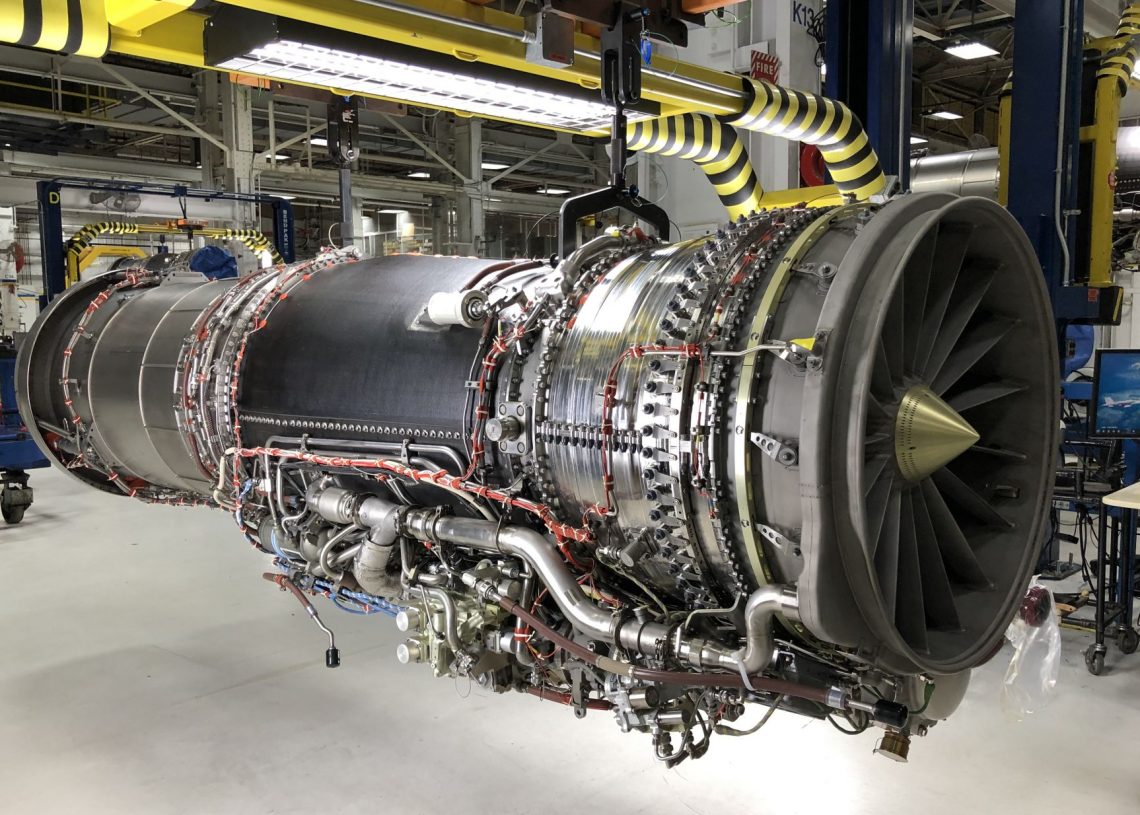
Retrofit steam turbines enhance power plant performance by replacing key components with advanced materials like Inconel 718 and titanium aluminides. These upgrades improve thermal efficiency, durability, and energy extraction with features like 3D-profiled blades, offering a significant boost over legacy systems.
Table of Contents:
- Introduction
- Overview of Retrofit Steam Turbines
- Importance of Upgrading Aging Power Plants
- Benefits of Retrofitting Steam Turbines
- Enhanced Efficiency and Output
- Reduced Carbon Footprint and Environmental Impact
- Lower Maintenance Costs
- Extended Equipment Lifespan
- Key Considerations in Retrofit Steam Turbines
- Compatibility with Existing Plant Infrastructure
- Operational Requirements and Performance Goals
- Material and Design Upgrades
- Engineering Challenges and Solutions
- Customization for Site-Specific Needs
- Addressing Space and Weight Constraints
- Overcoming Technical Integration Challenges
- Advancements in Retrofit Technology
- Latest Materials and Coatings for Turbine Blades
- Digital Integration and Smart Monitoring
- Energy Recovery and Waste Heat Utilization
- Case Studies: Successful Retrofit Projects
- Example 1: Improving Efficiency in a Coal-Based Plant
- Example 2: Modernizing Turbines for Combined Cycle Plants
- Cost Analysis and ROI
- Initial Investment vs. Long-Term Savings
- Energy Efficiency Gains and Payback Period
- Why Choose Our Retrofit Steam Turbines
- Expertise and Engineering Excellence
- Proven Track Record of Successful Projects
- Commitment to Quality and Performance
- Conclusion
- The Future of Retrofitting in Power Generation
- Call to Action: Contact Us for Expert Consultation
1. Introduction
Overview of Retrofit Steam Turbines
Retrofit steam turbines are advanced replacement solutions designed to integrate seamlessly into existing power plants while delivering superior efficiency and performance compared to legacy systems. Unlike standard upgrades or repairs, retrofitting involves a complete overhaul of the turbine’s components, including rotor, blades, seals, and control systems, often utilizing state-of-the-art materials and engineering techniques.
Modern retrofit turbines are crafted to address specific operational challenges. For example, advanced alloys such as Inconel 718 or titanium aluminides may replace traditional stainless steels to withstand higher temperatures and corrosive environments. This shift improves thermal efficiency and durability. Moreover, retrofits can incorporate aerodynamic blade designs, such as 3D-profiled blades, that enhance energy extraction from steam.
Comparison to Standard Repairs:
- Standard Repairs: Typically involve patching or replacing worn-out components with like-for-like materials.
- Retrofitting: Offers a comprehensive redesign, including material upgrades and performance optimization, ensuring compliance with modern standards like ASME or ISO 2314.
By adopting retrofit solutions, power plants can also leverage modular designs, enabling faster installation and reduced downtime compared to new turbine installations.
Importance of Upgrading Aging Power Plants
Aging power plants, many of which were designed decades ago, face declining efficiency, increased emissions, and escalating maintenance costs. Retrofitting steam turbines addresses these issues by delivering higher performance without requiring an entirely new infrastructure.
Key Benefits:
- Improved Efficiency: Upgrading from older, cast-iron-based designs to advanced materials such as nickel-based superalloys can boost efficiency by up to 5–10%. Higher efficiency translates to lower fuel consumption and reduced operational costs.
- Enhanced Heat Rate: Retrofitted turbines with improved blade geometries and upgraded sealing systems can significantly improve the heat rate, often achieving reductions of 200–300 BTU/kWh.
- Flexibility for Renewable Integration: Many older turbines are not designed to handle the variable loads required in grids with high renewable penetration. Retrofitted turbines incorporate advanced control systems, such as digital twin technology, enabling precise load-following capabilities.
Industry Trends:
Retrofitting has gained traction globally, with regulatory bodies pushing for stricter emission standards and greater energy efficiency. For instance, Europe’s push for carbon neutrality by 2050 has led to increased demand for retrofit solutions that meet stringent NOx and SOx emission limits.
Economic Considerations:
While new turbine installations may seem appealing, the cost differential is significant. A retrofit project typically costs 40–60% less than a new turbine installation. When coupled with faster implementation times and immediate performance gains, the return on investment (ROI) for retrofitting becomes compelling.
2. Benefits of Retrofitting Steam Turbines
Enhanced Efficiency and Output
Retrofitting steam turbines allows power plants to achieve significant efficiency gains through advanced design modifications and material upgrades. Modern retrofitted turbines often incorporate materials like nickel-based superalloys (e.g., Inconel 625 or Inconel 718) for critical components such as blades and rotors. These materials offer superior resistance to high-temperature creep and oxidation, allowing turbines to operate at higher temperatures and pressures, thereby improving thermal steam turbine efficiency.
Key Upgrades for Efficiency Gains:
- Improved Blade Profiles:
- Old Designs: Blades often utilized 2D profiles with limited aerodynamic optimization.
- Retrofit Designs: Employ 3D-profiled blades with twisted and tapered geometries to maximize energy extraction and reduce aerodynamic losses.
- Advanced Sealing Systems:
- Incorporating brush seals or abradable coatings in place of labyrinth seals reduces steam leakage, improving efficiency by up to 1–2%.
- Materials like high-chromium alloys ensure these seals maintain integrity under extreme conditions.
- Turbine Control Systems:
- Retrofitted turbines integrate digital control systems, enabling real-time monitoring and optimization. Advanced control algorithms ensure stable operation under varying loads, a key feature in plants with renewable energy integration.
Reduced Carbon Footprint and Environmental Impact
Retrofitting directly reduces a power plant’s carbon footprint by enhancing operational efficiency, leading to lower fuel consumption per unit of electricity generated. Moreover, retrofits often include updates to ensure compliance with stricter emission standards for NOx, SOx, and particulates.
Emission Reduction Features:
- Advanced Steam Path Design:
- Reduces steam energy losses and improves heat rate, resulting in reduced CO₂ emissions per megawatt-hour (MWh) produced.
- Materials for Cleaner Combustion:
- Components made from corrosion-resistant alloys like Hastelloy or Sanicro improve efficiency in plants using high-sulfur fuels or biomass.
Quantifiable Impact:
For example, a retrofitted turbine operating at a 2% higher efficiency can reduce annual CO₂ emissions by approximately 20,000 tons for a 500 MW power plant. This is equivalent to taking 4,300 passenger vehicles off the road annually.
Lower Maintenance Costs
Retrofitted turbines are designed with durability and ease of maintenance in mind. By replacing aging components with advanced materials, the frequency and severity of maintenance tasks are significantly reduced.
Key Maintenance Improvements:
- Material Upgrades:
- Older turbines often used martensitic steels prone to fatigue and corrosion. Retrofitted designs favor nickel-based alloys or titanium aluminides, which resist creep and cracking under prolonged high-temperature operation.
- Wear-Resistant Coatings:
- Blades and other critical parts are often coated with materials like tungsten carbide or chromium nitride, reducing erosion and wear in high-moisture environments.
- Modular Design for Accessibility:
- Many retrofits incorporate modular component designs, allowing for faster disassembly and reassembly during maintenance.
Cost Comparison:
Maintenance costs for retrofitted turbines can be 20–30% lower over their lifecycle compared to older turbines, primarily due to reduced downtime and longer intervals between overhauls.
Extended Equipment Lifespan
Retrofitting extends the operational lifespan of steam turbines by addressing the root causes of wear and inefficiency. This is particularly important for power plants with infrastructure that is otherwise sound but equipped with aging turbines.
Strategies for Longevity:
- Component Redesign:
- Rotors are often re-engineered to handle higher stresses using finite element analysis (FEA). Modern designs may incorporate dual alloy structures, with a high-strength core surrounded by a more ductile outer layer to resist fatigue.
- Corrosion and Erosion Protection:
- For turbines operating in aggressive environments (e.g., coastal or biomass plants), advanced coatings such as thermal barrier coatings (TBCs) or ceramic-based protective layers are applied to critical components.
- Vibration and Stress Mitigation:
- Retrofitted turbines employ advanced dampening systems and tighter tolerances to minimize vibration and stress-induced failures, thereby prolonging service life.
Comparison:
- Older Turbines: Typically designed for 20–25 years of operation, with decreasing reliability in later years.
- Retrofitted Turbines: Can reliably operate for an additional 15–20 years with efficiency improvements that offset aging-related performance declines.
3. Key Considerations in Retrofit Steam Turbine
Compatibility with Existing Plant Infrastructure
Retrofitting steam turbines requires precise integration with the existing power plant infrastructure to minimize downtime and ensure optimal performance. Compatibility challenges often arise due to differences in design standards, material properties, and operational parameters between the original and retrofitted equipment.
Structural and Dimensional Fit:
- Foundation and Baseplates:
Retrofitted turbines must align perfectly with existing foundations and baseplates. For older plants, this often involves precision machining of mounting points or the use of custom-designed adapter plates fabricated from high-strength steel alloys (e.g., ASTM A514
). - Piping and Connections:
Steam inlet and outlet piping must match the new turbine’s configuration. Modifications may involve replacing older carbon steel pipes (A106 Grade B) with more robust materials like P91 or P92 for high-temperature applications.
Electrical and Control System Integration:
Modern retrofitted turbines often require integration with legacy control systems. This involves ensuring compatibility between advanced digital control systems like DCS (Distributed Control Systems) or SCADA (Supervisory Control and Data Acquisition) and older analog setups.
Example:
Retrofitting a 500 MW coal-fired plant’s turbine to accommodate a new high-efficiency rotor design might require modifying the steam piping layout and upgrading the control system to manage higher steam pressures and temperatures.
Operational Requirements and Performance Goals
Understanding the specific operational goals of the plant is critical to selecting the appropriate retrofit design. Different plants prioritize different performance metrics, such as efficiency, flexibility, or load-following capabilities.
Performance Optimization:
- Base Load Plants:
Retrofitted turbines for base load plants prioritize thermal efficiency. Materials such as nickel-based superalloys (e.g., Nimonic 105) are used in high-pressure stages to handle sustained high temperatures and pressures. - Peaking Plants:
Flexibility and rapid response times are critical. Retrofitted turbines for these plants often incorporate lightweight titanium blades in low-pressure stages to minimize rotational inertia and allow for quicker ramp-up times.
Adaptation to Fuel Changes:
As many plants transition from coal to natural gas or biomass, retrofits must account for the differing steam conditions generated by these fuels. For example:
- Natural Gas: Produces higher-quality steam requiring advanced sealing systems (e.g., brush seals) to maintain efficiency at higher pressures.
- Biomass: Often produces steam with impurities that demand erosion-resistant coatings like chromium carbide on turbine blades.
Operational Envelope:
Retrofitted turbines are typically designed to exceed the original turbine’s operating parameters by 10–15%, providing extra margin for future operational flexibility.
Material and Design Upgrades
Material and design upgrades are at the core of a successful retrofit, enabling turbines to meet modern performance standards while extending operational life.
Blade Materials:
- Legacy Turbines: Typically used 12Cr steel for blades, which offers moderate strength and corrosion resistance.
- Retrofit Turbines: Transition to high-performance alloys such as:
- Inconel 718: For high-pressure stages, providing excellent resistance to creep and oxidation at elevated temperatures (~650°C).
- Ti6Al4V: A titanium alloy commonly used in low-pressure stages for its high strength-to-weight ratio.
Rotor Redesign:
- Older turbines often employed solid forged rotors, which are prone to thermal stress cracking over time.
- Retrofitted turbines may incorporate hollow or composite rotors, reducing weight while improving heat dissipation and stress tolerance.
Sealing Systems:
- Legacy Seals: Labyrinth seals are common but allow steam leakage, reducing efficiency.
- Retrofit Seals: Employ brush seals or abradable coatings, cutting leakage rates by up to 50%.
Coating Technologies:
- Erosion Resistance: Tungsten carbide coatings protect blades in environments with high particulate loads.
- Thermal Barrier Coatings (TBCs): Ceramic-based coatings reduce heat transfer to the underlying metal, extending component life in high-temperature regions.
Comparison of Legacy vs. Retrofitted Designs:
| Component | Legacy Design | Retrofit Design |
| Blade Material | 12Cr Steel | Inconel 718, Ti6Al4V |
| Sealing System | Labyrinth Seals | Brush Seals, Abradable Coatings |
| Control Systems | Analog Systems | Digital SCADA/DCS Integration |
| Rotor Design | Solid Forged Steel | Hollow/Composite Rotors |
4. Engineering Challenges and Solutions
Customization for Site-Specific Needs
Retrofitting steam turbines often requires highly customized solutions tailored to the unique characteristics of each power plant. Factors such as plant layout, operational requirements, and steam conditions necessitate bespoke engineering approaches to ensure optimal performance.
Site-Specific Challenges:
- Steam Conditions:
- Older plants often operate at subcritical or supercritical pressures. A retrofit may require designing turbines capable of handling ultra-supercritical steam conditions (~620–650°C and ~30 MPa) to improve efficiency.
- Advanced materials like Inconel 740H or Haynes 282, which are designed for extreme high-temperature environments, are essential for such upgrades.
- Unique Layouts:
- Each plant has unique spatial constraints and piping layouts. Retrofitting may involve custom-designed casings or steam inlet/outlet configurations to ensure proper fit.
- Techniques such as laser scanning and 3D modeling are used to create precise measurements of the plant’s existing setup, ensuring the new turbine matches the infrastructure without extensive modifications.
Solutions:
- Modular turbine designs enable flexible configurations that adapt to varying plant requirements.
- Custom rotor and casing designs are fabricated using high-precision CNC machining, ensuring compatibility while meeting performance goals.
Addressing Space and Weight Constraints
Older power plants often have limited space and structural support capacity, making space and weight critical factors in retrofit projects.
Challenges:
- Space Limitations:
- Legacy turbine enclosures and plant layouts might lack the space required for modern, larger turbines.
- In tight layouts, installing advanced components like reheater stages or additional seals can be particularly challenging.
- Weight Constraints:
- Plant structures, such as foundations or support beams, may not be capable of handling the added weight of modern turbines.
Solutions:
- Compact Design Innovations:
- High-strength materials like maraging steel or Ti-6Al-4V allow for lighter, stronger components.
- Blade miniaturization with advanced 3D profiling ensures high aerodynamic performance in compact turbine stages.
- Foundation Modifications:
- Lightweight composite rotors or hollow rotor designs can reduce weight without compromising durability.
- Structural reinforcements, such as using carbon-fiber composites in non-load-bearing components, minimize additional stress on existing foundations.
Comparison:
| Aspect | Legacy Turbines | Retrofit Solutions |
| Blade Material | 12Cr Steel | Ti-6Al-4V or Inconel 718 |
| Rotor Design | Solid Forged | Hollow or Composite |
| Weight | Heavier, Limited Flexibility | Lighter, Optimized for Constraints |
Overcoming Technical Integration Challenges
Integrating a retrofitted turbine into an existing power plant involves overcoming technical challenges in steam flow, controls, and operational synchronization.
Challenges:
- Steam Flow Management:
- Differences in the geometry of steam paths between legacy and retrofitted turbines can cause flow inefficiencies or turbulence.
- Misalignment between the steam inlet/outlet and existing piping can lead to pressure losses or flow distortions.
- Control System Compatibility:
- Legacy systems often rely on analog controls, while modern retrofits employ digital platforms such as DCS or SCADA. Mismatched protocols or signal interfaces can disrupt turbine operation.
- Thermal Stress and Expansion:
- Modern turbines operating at higher pressures and temperatures introduce greater thermal gradients, potentially causing thermal fatigue in adjacent legacy components.
Solutions:
- Flow Optimization:
- Advanced computational fluid dynamics (CFD) simulations are employed to redesign steam paths, minimizing turbulence and ensuring efficient flow.
- Flexible bellows made of high-temperature alloys (e.g., Incoloy 800H) are installed to handle misalignment while maintaining tight seals.
- Control Integration:
- Signal converters and gateway devices bridge the gap between analog and digital control systems, ensuring seamless communication.
- Retrofitted turbines are equipped with digital twins, enabling real-time performance monitoring and predictive maintenance to avoid operational disruptions.
- Thermal Management:
- Components adjacent to the turbine are coated with thermal barrier coatings (TBCs) to protect against heat transfer and mitigate thermal stress.
Advanced expansion joints constructed from high-nickel alloys accommodate thermal expansion without inducing structural fatigue.
5. Advancements in Retrofit Technology
Latest Materials and Coatings for Turbine Blades
Turbine blade performance is critical for achieving higher efficiency and operational reliability in retrofit steam turbines. Recent advancements in materials and coatings have significantly enhanced the durability, temperature resistance, and aerodynamic performance of these components.
Advanced Blade Materials:
- Nickel-Based Superalloys:
- Material Examples: Inconel 738, René 80, Haynes 282.
- Advantages: Exceptional resistance to creep and oxidation at temperatures exceeding 900°C, making them ideal for high-pressure and intermediate-pressure stages.
- Application: In retrofitted turbines handling ultra-supercritical steam conditions, these alloys ensure stable performance under prolonged thermal and mechanical stress.
- Titanium Alloys:
- Material Example: Ti-6Al-4V.
- Advantages: High strength-to-weight ratio, excellent corrosion resistance, and superior fatigue resistance.
- Application: Low-pressure stages where lightweight blades are crucial for minimizing rotational inertia and enabling quicker load adjustments.
- Ceramic Matrix Composites (CMCs):
- Advantages: CMCs like SiC/SiC composites offer exceptional thermal resistance and are 30–40% lighter than nickel-based alloys.
- Application: Emerging as potential candidates for high-temperature turbine components, particularly in experimental retrofits for higher efficiency.
Blade Coatings:
- Thermal Barrier Coatings (TBCs):
- Composition: Typically made of yttria-stabilized zirconia (YSZ).
- Advantages: Reduces heat transfer to the base material, protecting blades from thermal fatigue and oxidation.
- Erosion-Resistant Coatings:
- Material Examples: Tungsten carbide and chromium carbide coatings.
- Advantages: Protect blades in environments with high particulate content in the steam flow, such as biomass or coal-fired plants.
Comparative Table of Blade Materials and Coatings:
| Aspect | Nickel-Based Alloys | Titanium Alloys | Ceramic Matrix Composites |
| Temperature Tolerance | ~1,100°C | ~600°C | ~1,200°C |
| Weight | Heavy | Lightweight | Lightweight |
| Durability | High | Moderate | Very High |
Digital Integration and Smart Monitoring
Modern retrofits leverage cutting-edge digital technologies to optimize turbine performance and enable predictive maintenance, reducing unplanned downtimes and enhancing operational efficiency.
Key Technologies:
- Digital Twin Technology:
- Description: A real-time virtual replica of the turbine that simulates performance, predicts potential issues, and tests optimization strategies.
- Application: Engineers can model various operational scenarios, monitor thermal stress, and plan maintenance schedules without disrupting plant operations.
- Smart Sensors:
- Types: Strain gauges, temperature sensors, vibration sensors, and steam quality monitors.
- Advancements: Sensors now include wireless and IoT-enabled variants that provide real-time data transmission to centralized monitoring systems.
- AI and Machine Learning Integration:
- Usage: Machine learning algorithms analyze data from sensors to predict wear, optimize steam flow, and identify inefficiencies.
- Example: An AI-based system might recommend adjusting control valve positions to optimize steam distribution across stages, improving overall efficiency.
Benefits:
- Reduction in downtime due to early detection of faults (e.g., bearing misalignment or blade fouling).
- Enhanced flexibility in load-following applications through real-time performance adjustments.
Energy Recovery and Waste Heat Utilization
Waste heat recovery systems are integral to retrofitted steam turbines, especially in plants seeking to maximize efficiency and reduce emissions.
Advancements in Heat Recovery Systems:
- Heat Recovery Steam Generators (HRSGs):
- Improvement: Modern HRSGs feature enhanced heat exchanger designs using finned tubes made of high-performance alloys like A286 stainless steel or P91 steel, improving heat transfer rates.
- Application: Used in combined-cycle configurations, where retrofitted steam turbines recover heat from gas turbine exhaust gases.
- Organic Rankine Cycle (ORC) Systems:
- Description: ORC systems use organic fluids with low boiling points (e.g., pentane or R134a) to recover low-grade heat from exhaust streams.
- Application: Suitable for biomass or geothermal plants, where waste heat from turbines is insufficient to generate high-pressure steam.
- Condensate Recovery:
- Advancement: High-efficiency condensers with titanium or duplex stainless steel tubes reduce heat loss and recover energy from exhaust steam.
Environmental Impact:
- A power plant incorporating advanced HRSGs and ORC systems can achieve thermal efficiencies upwards of 60%, significantly reducing greenhouse gas emissions compared to legacy setups.
6. Case Studies: Successful Retrofit Projects
Case 1: Improving Efficiency in a Coal-Based Plant
Background:
A 500 MW coal-fired power plant in Eastern Europe faced declining efficiency due to aging steam turbines, which had been in operation for over 30 years. The plant struggled to meet modern emission standards while maintaining output levels.
Challenges Identified:
- Declining Turbine Efficiency:
- High wear on the last-stage blades caused inefficiencies in steam expansion.
- Outdated blade profiles led to suboptimal steam flow and energy extraction.
- Material Degradation:
- Rotor and casing materials, primarily older grades of Cr-Mo steel, exhibited creep deformation under high-temperature operations (~565°C).
- Corrosion from impurities in the steam exacerbated wear, particularly in the low-pressure stages.
- Emission Compliance:
- Reduced efficiency translated to higher coal consumption, making it harder to meet CO₂ and NOₓ emission limits.
Retrofit Solution:
- Turbine Blade Upgrade:
- Installed modern blades with 3D aerodynamic profiling for improved efficiency.
- Material switched to X20Cr13 steel for its superior resistance to creep and erosion.
- Application of erosion-resistant coatings (e.g., tungsten carbide) on the low-pressure stages.
- Rotor and Casing Replacement:
- Replaced the rotor with a hollow-forged design made from 12Cr steel, reducing weight and enhancing thermal resilience.
- Installed high-strength, corrosion-resistant casings made of P91 steel.
- Integration of Waste Heat Recovery:
- Added a flue gas heat recovery system, capturing residual heat and routing it to preheat feedwater, boosting boiler efficiency.
Results Achieved:
- Turbine efficiency improved by 8%, with heat rate reductions translating to annual coal savings of approximately 40,000 tons.
- CO₂ emissions reduced by 50,000 tons per year, achieving compliance with local emission standards.
- ROI achieved within four years, thanks to significant reductions in fuel costs and maintenance expenses.
Case 2: Modernizing Turbines for Combined Cycle Plants
Background:
A 750 MW combined-cycle power plant in the Middle East sought to replace its aging steam turbines to enhance efficiency and accommodate a more dynamic load profile. The plant relied on natural gas, and its steam turbines operated in conjunction with gas turbines in a highly efficient setup.
Challenges Identified:
- Load Flexibility:
- The legacy turbines, designed for base-load operations, were inefficient in handling frequent ramp-ups and partial loads required for modern grid demands.
- Material and Design Constraints:
- The original turbines used blades made of Ni-Cr steel, which were prone to fatigue under frequent thermal cycling.
- Limited exhaust flow capacity constrained overall plant efficiency.
- Control System Integration:
- The outdated analog control system lacked compatibility with the plant’s upgraded gas turbine controls.
Retrofit Solution:
- Advanced Blade Materials and Design:
- Installed Ti-6Al-4V blades in the low-pressure stages for enhanced fatigue resistance and weight reduction.
- Added ceramic matrix composite (CMC) vanes in the high-pressure section to handle higher temperatures generated by the gas turbine’s increased exhaust heat.
- Exhaust Flow Optimization:
- Redesigned the exhaust system using computational fluid dynamics (CFD) to reduce flow restrictions.
- Installed larger condenser units made with duplex stainless steel to handle the increased flow and prevent corrosion.
- Control System Modernization:
- Upgraded the turbine to a fully integrated DCS (Distributed Control System) compatible with the gas turbine’s digital platform.
- Implemented a digital twin for real-time monitoring and predictive maintenance.
Results Achieved:
- Combined-cycle efficiency increased by 6%, boosting the plant’s overall output by 45 MW.
- Ramp-up time reduced by 25%, enabling better responsiveness to grid demands.
- Maintenance intervals extended from 12 to 18 months, significantly reducing downtime.
These case studies highlight how targeted retrofitting solutions can address complex challenges faced by aging power plants, whether improving efficiency in coal-fired setups or modernizing combined-cycle plants. The strategic application of advanced materials, optimized designs, and digital technologies not only revitalizes existing assets but also positions plants for sustained performance in increasingly demanding energy markets.
7. Cost Analysis and ROI
Initial Investment vs. Long-Term Savings
The financial viability of retrofitting steam turbines hinges on a careful balance between the upfront investment and the projected long-term savings. This section delves into the key cost components and their implications for ROI.
Upfront Costs:
- Equipment and Material Costs:
- Turbine components such as high-performance blades, rotors, and casings significantly contribute to upfront expenses.
- Blades: Transitioning from conventional Ni-Cr steel to advanced alloys like Inconel 718 or Ti-6Al-4V can increase blade costs by 15-25%, but their superior resistance to wear and thermal fatigue justifies the expense over the lifecycle.
- Coatings: Applying erosion-resistant coatings (e.g., tungsten carbide) adds an additional 10% to blade costs but extends component life by up to 50%.
- Upgrading auxiliary systems, such as condensers (using duplex stainless steel) and heat recovery systems, can represent 20-30% of the total investment.
- Turbine components such as high-performance blades, rotors, and casings significantly contribute to upfront expenses.
- Installation and Engineering Costs:
- Customization to accommodate plant-specific configurations increases costs.
- Expenses related to finite element analysis (FEA), computational fluid dynamics (CFD) modeling, and integration studies are non-negotiable for ensuring operational reliability.
- Downtime Costs:
- Plant shutdowns during retrofitting contribute to indirect costs. Utilizing modular components for rapid installation or performing upgrades during scheduled maintenance windows minimizes these losses.
Long-Term Savings:
- Fuel Savings:
- A retrofitted turbine with an efficiency improvement of 5-8% can reduce fuel consumption significantly. For a coal plant consuming 300,000 tons of coal annually, a 5% efficiency gain equates to 15,000 tons of coal saved annually. At $100/ton, this results in savings of $1.5 million per year.
- Maintenance Savings:
- Advanced materials such as P91 steel for casings and CMCs for high-temperature components reduce maintenance intervals and costs. For instance, transitioning from annual maintenance to an 18-month schedule can cut maintenance costs by 20-30%.
- Operational Flexibility:
- Improved ramp-up capabilities and load-following features allow plants to operate more profitably in markets with variable energy demand, enhancing revenue streams.
Energy Efficiency Gains and Payback Period
Quantifying Efficiency Gains:
- Example 1: Coal-Based Plant:
- Efficiency increase: 8%.
- Savings: 40,000 tons of coal annually, translating to $4 million in savings at $100/ton.
- Example 2: Combined-Cycle Plant:
- Efficiency increase: 6%.
- Additional output: 45 MW.
- Revenue increase: $3.2 million annually at $80/MWh average market price.
Payback Period Calculation:
- Scenario 1: Medium-Sized Coal Plant
- Investment: $20 million for a comprehensive turbine retrofit.
- Savings: $4 million annually from fuel cost reduction.
- Payback Period: 5 years.
- Scenario 2: Large Combined-Cycle Plant
- Investment: $30 million for high-end materials, digital integration, and system upgrades.
- Savings: $3.2 million in additional revenue and $1.5 million in fuel savings annually.
- Payback Period: ~6 years.
Sensitivity Analysis:
- Fuel Price Fluctuations: A 20% rise in fuel costs accelerates ROI by ~1 year.
- Emission Penalties: Plants in regions with stringent CO₂ regulations may offset initial costs through avoided penalties and carbon credit sales.
Comparative Insight:
| Aspect | New Turbine Installation | Retrofit Option |
| Cost | $50–70 million | $20–30 million |
| Payback Period | 8–10 years | 4–6 years |
| Downtime | 12–18 months | 6–9 months |
By investing in retrofitting, power plants can achieve a more favorable ROI compared to installing new turbines. While the initial investment might seem significant, the cumulative benefits—ranging from reduced fuel consumption and maintenance costs to enhanced operational flexibility—make retrofits a cost-effective and sustainable option for long-term plant viability.
8. Why Choose Our Retrofit Steam Turbines
Expertise and Engineering Excellence
Shanghai Turbine Company (STC) has been at the forefront of turbine technology for decades, combining cutting-edge research with real-world application. Our engineering team consists of specialists who have designed and implemented retrofitting solutions for a wide range of power plants, including coal-fired, gas-fired, and combined-cycle facilities.
- Customization to Plant Needs:
- We employ finite element analysis (FEA) and computational fluid dynamics (CFD) to tailor designs that match the specific thermal and mechanical requirements of your plant.
- Example: Optimizing blade profiles using 3D inverse design algorithms to enhance steam flow and reduce aerodynamic losses by up to 10%.
- Material Expertise:
- Our retrofits incorporate advanced materials such as Inconel 718 for high-temperature stages and P91 or P92 steel for critical components like casings and rotors, ensuring longevity under extreme operating conditions.
- Comparison: P91 steel offers superior creep strength and oxidation resistance over traditional Cr-Mo steels, reducing the risk of material fatigue over time.
- State-of-the-Art Manufacturing:
- Precision manufacturing using electron beam welding (EBW) for turbine blades ensures seamless joints with minimal thermal distortion.
- Advanced coatings, such as thermal barrier coatings (TBCs) and anti-erosion tungsten carbide layers, further enhance the durability of key components.
Proven Track Record of Successful Projects
- Diverse Portfolio:
- Our retrofits have improved efficiency and performance across diverse plant types, from 200 MW coal-fired stations to 1,000 MW combined-cycle power plants.
- Example: A recent project at a 750 MW gas-fired plant improved turbine efficiency by 7%, resulting in a $2.8 million annual fuel cost reduction.
- Global Reach:
- Completed retrofit projects in over 20 countries, working with varying grid requirements, environmental regulations, and operational constraints.
- Client Testimonials and Awards:
- Recognized by industry bodies for excellence in retrofitting solutions, including an award for “Best Innovation in Power Plant Efficiency” from the International Energy Forum (IEF).
Commitment to Quality and Performance
- Rigorous Quality Standards:
- All retrofitted components undergo non-destructive testing (NDT), such as ultrasonic and radiographic inspections, to ensure flawless performance under stress.
- Our quality assurance process complies with ISO 9001:2015 and ASME standards for turbine manufacturing.
- Performance Guarantees:
- Guaranteed efficiency improvements based on predefined KPIs, with ROI projections validated through data-driven simulations.
- Post-Retrofit Support:
- Comprehensive training for plant operators and ongoing technical support, including digital monitoring through advanced SCADA (Supervisory Control and Data Acquisition) systems.
9. Conclusion
The Future of Retrofitting in Power Generation
As the energy sector transitions toward sustainability and efficiency, retrofitting aging turbines offers an economically viable and environmentally responsible solution. By leveraging advancements in materials, design, and digital technologies, retrofitting enables power plants to meet modern demands without the prohibitive costs of installing new equipment.
Contact Us for Expert Consultation
With our proven expertise and commitment to delivering results, we are your trusted partner for retrofitting solutions. Let us help you enhance your plant’s performance, reduce operational costs, and align with future energy needs.


