
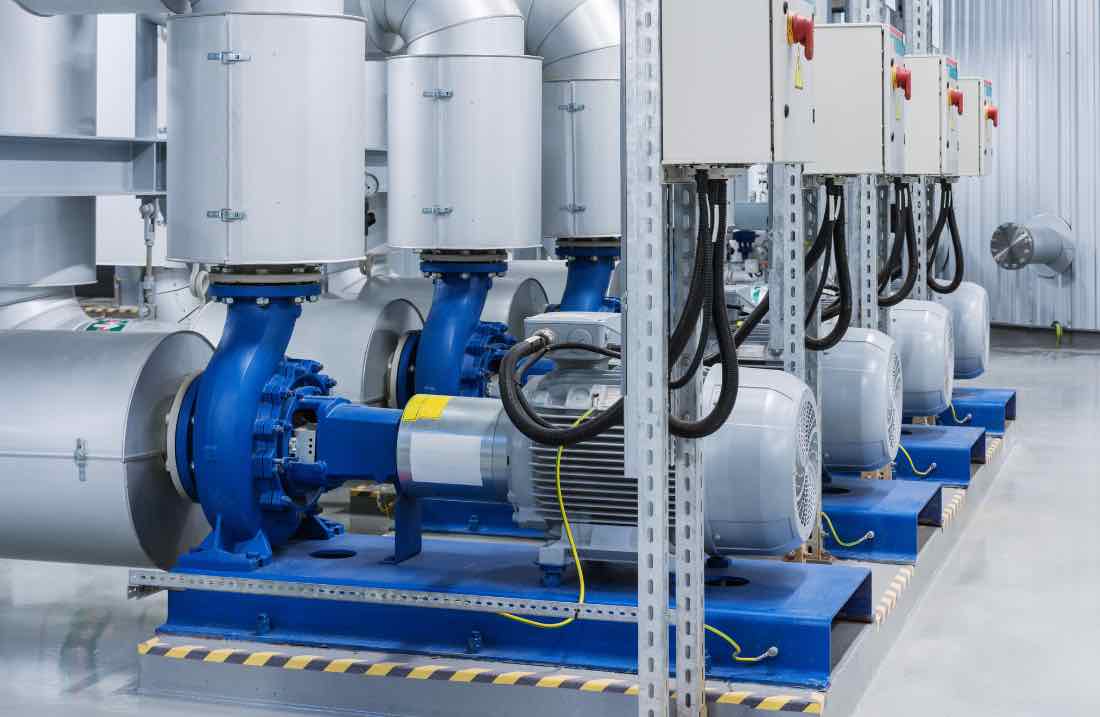
Pumps for boiler systems
-
- Importance of Pumps in Boiler Operations
- Overview of the Article’s Purpose and Scope
-
- How Pumps Facilitate Boiler Operation in Power Plants
- Key Challenges in Boiler Pump Selection
-
- Feedwater Pumps
- Condensate Pumps
- Circulating Pumps
- Booster Pumps
- Special Application Pumps
-
- Flow Rate and Pressure Requirements
- Temperature and Fluid Handling Capabilities
- Material Compatibility and Durability
- Efficiency Metrics (Hydraulic, Mechanical, and Electrical)
-
- Centrifugal vs. Positive Displacement Pumps
- Vertical vs. Horizontal Configurations
- Multistage vs. Single Stage Pumps
-
- Application-Specific Requirements
- Plant Size and Boiler Capacity
- Maintenance and Downtime Impacts
-
- Comparative Table of Popular Pump Types
- Life Cycle Cost Analysis: Efficiency vs. Initial Investment
- Performance Benchmarks
-
- Smart Pumping Solutions and IoT Integration
- Advanced Materials for Corrosion and Temperature Resistance
- Energy-Efficient Pump Designs
-
- Selecting Reliable Manufacturers
- Common Pitfalls to Avoid During Pump Selection
- Tips for Optimizing Pump Integration with Boilers
-
- Recap of Key Takeaways
- Partnering with Reliable Pump and Boiler Manufacturers
1. Introduction
Importance of Pumps in Boiler Operations
Pumps are the heart of boiler systems, ensuring the continuous and efficient transfer of fluids necessary for steam generation and heat exchange in power plants. In high-capacity industrial and utility boilers, pumps manage critical processes like feedwater supply, condensate return, and circulation, directly influencing overall system performance and plant reliability. The choice of pump impacts not only boiler efficiency but also the longevity of ancillary components such as heat exchangers, piping, and turbines.
In modern power plants, pumps must perform under extreme conditions, such as handling feedwater temperatures exceeding 200°C, pressures above 200 bar, and aggressive fluid chemistries resulting from treatment processes. Materials like duplex stainless steel, Inconel, and titanium alloys are commonly used to mitigate risks of corrosion, cavitation, and wear in these demanding environments.
Overview of the Article’s Purpose and Scope
This article provides a detailed examination of pumps for boiler systems, emphasizing the critical role they play in power plant operations. It delves into the technical nuances of pump types, material specifications, and selection criteria while offering comparative insights into performance, cost, and efficiency. Designed for experienced engineers and consultants, it aims to be a comprehensive guide for selecting, evaluating, and optimizing pump systems in large-scale power plant applications.
2. The Role of Pumps in Boiler Systems
How Pumps Facilitate Boiler Operation in Power Plants
Pumps are integral to maintaining the thermodynamic cycle in power plants. Key functions include:
- Feedwater Pumps:
- Feedwater pumps transport preheated water from the deaerator or feedwater tank to the boiler. These pumps must overcome significant pressure differentials, often requiring multistage centrifugal designs.
- Material Considerations: Impellers and casings are frequently constructed from materials like 316 stainless steel or Inconel 625 to handle high-pressure environments and prevent pitting corrosion from dissolved oxygen.
- Condensate Pumps:
- These pumps return condensed steam from the condenser to the feedwater system, maintaining the closed-loop operation. Condensate pumps operate at lower pressures but must manage subcooled water near saturation temperature, making cavitation resistance critical.
- Common Material Choices: Bronze or cast iron is often used for impellers, while stainless steel is favored for applications requiring enhanced corrosion resistance.
- Circulating Pumps:
- Circulating pumps drive water through boiler economizers and superheaters to maintain thermal efficiency. These pumps must handle large flow rates, often exceeding 10,000 m³/h in utility-scale boilers.
- Key Design Features: Single-stage axial flow designs with anti-vortex fins are used to ensure consistent flow distribution across heat transfer surfaces.
- Booster Pumps:
- Booster pumps are employed to increase the feedwater pressure before it enters the boiler, often working in tandem with feedwater pumps. These are typically inline multistage designs optimized for high-pressure applications.
- Materials and Coatings: Hastelloy or titanium is used for applications involving aggressive water chemistries, with coatings like tungsten carbide enhancing wear resistance.
Key Challenges in Boiler Pump Selection
- Cavitation Risks:
- High-temperature fluids near boiling point significantly reduce the Net Positive Suction Head (NPSH), leading to cavitation damage. Engineers must ensure pumps are designed with low NPSH requirements and proper suction piping layouts.
- Material Durability:
- Selecting materials that withstand corrosion, thermal stress, and mechanical wear is critical. Duplex stainless steel, known for its superior pitting resistance, is often preferred for critical components in feedwater and condensate pumps.
- Efficiency Optimization:
- Power plants prioritize pumps with high hydraulic efficiency to reduce operational costs. Variable-speed drives (VSDs) are increasingly used to optimize performance across fluctuating load demands, significantly reducing energy consumption.
- Thermal Expansion and Stress Management:
- In high-pressure systems, thermal cycling can cause material fatigue. Advanced designs incorporate thermal compensation mechanisms, such as expansion joints or flexible couplings, to mitigate stress.
- Maintenance Accessibility:
- Pumps in boiler systems require regular maintenance to prevent downtime. Split-case designs are often favored for ease of servicing, particularly for large pumps where disassembly is labor-intensive.
3. Types of Pumps for Boiler Systems
Feedwater Pumps
Feedwater pumps are crucial for transporting treated feedwater into the boiler at the required pressure to maintain steam generation. In high-pressure systems, feedwater pumps often operate under extreme conditions, making material selection and design paramount.
Key Design Features:
- Multistage Centrifugal Pumps: These pumps are standard for feedwater applications due to their ability to generate high pressures (up to 250 bar or more). The multistage design enables incremental pressure increases while maintaining compact dimensions.
- Hydraulic Balancing Mechanisms: Advanced feedwater pumps employ balance drums or balance discs to counteract axial thrust, reducing mechanical stress on bearings and shafts.
Materials Used:
- Casing: Typically made from cast steel or forged stainless steel (e.g., ASTM A182 F22 for high-temperature and pressure applications).
- Impellers: Frequently constructed from duplex stainless steel or Inconel 718 to resist pitting and crevice corrosion caused by dissolved oxygen in treated water.
- Shafts: High-strength carbon steel or stainless steel, often coated with chromium or ceramic for wear resistance.
Comparison:
- Horizontal Multistage Pumps offer easier access for maintenance but require more floor space.
- Barrel-Type Pumps (vertical configuration) are compact and better suited for high-pressure applications where space is limited, but they are more challenging to service.
Condensate Pumps
Condensate pumps handle the low-pressure task of returning condensed steam to the feedwater system. Their operation is critical to maintaining the closed-loop cycle in power plants.
Challenges:
- Handling subcooled liquid at near-saturation temperature increases the risk of cavitation.
- Low NPSH availability in condensate systems demands precision-engineered pump designs.
Key Design Features:
- Vertical Pump Configurations: Preferred for condensate systems due to their small footprint and ability to minimize air entrainment.
- Anti-Cavitation Impellers: Designed with wider vanes and reduced suction angles to handle low NPSH conditions effectively.
Materials Used:
- Impellers and Casings: Bronze or stainless steel (316L or CF3M) for corrosion resistance.
- Bearings: High-performance polymers (e.g., PEEK) or metal-backed materials for wear resistance in low-lubricity conditions.
Comparison:
- Vertical Canned Motor Pumps: Compact and leak-free, suitable for applications where space and environmental safety are priorities.
- Horizontal Split-Case Pumps: Easier to maintain but require more space and can suffer from seal leakage if not properly maintained.
Circulating Pumps
Circulating pumps ensure consistent flow of water through economizers, superheaters, and other boiler components to optimize heat transfer and efficiency.
Key Design Features:
- Axial Flow Designs: Employed for high-volume, low-head applications, ensuring uniform heat distribution across boiler surfaces.
- Split Casing: Facilitates ease of maintenance without requiring complete pump removal.
Materials Used:
- Casings: Cast iron or carbon steel with epoxy coatings to resist erosion.
- Impellers: Duplex stainless steel for high-flow applications, ensuring durability under abrasive conditions.
- Bearings: Self-lubricating composites to handle large flow rates and reduce wear.
Comparison:
- Single-Stage vs. Multi-Stage Pumps: Single-stage designs are suitable for moderate flow rates, while multi-stage configurations handle higher pressures in large-scale systems.
- Inline vs. Base-Mounted Pumps: Inline models save space, whereas base-mounted designs are easier to access for servicing.
Booster Pumps
Booster pumps are auxiliary systems used to increase feedwater pressure before entering the main feedwater pump or boiler.
Key Design Features:
- Inline Multistage Pumps: Compact designs capable of handling incremental pressure increases.
- High-Pressure Seals: Seals made from materials like Viton or PTFE to handle high temperatures and pressures.
Materials Used:
- Impellers and Shafts: Hastelloy or titanium for aggressive water chemistries.
- Seals: Carbon-graphite or silicon carbide for high-pressure sealing.
Comparison:
- Vertical vs. Horizontal Booster Pumps: Vertical designs are space-efficient but more challenging to service. Horizontal models are easier to maintain but require more installation space.
Special Application Pumps
These pumps address niche requirements in boiler systems, such as chemical dosing, slurry handling, or high-temperature fluid transfer.
Examples:
- Chemical Dosing Pumps:
- Purpose: Precise injection of treatment chemicals into the boiler feedwater.
- Design: Diaphragm or peristaltic pumps for accurate dosing without pulsation.
- Materials: PTFE diaphragms and PVDF casings for resistance to aggressive chemicals like ammonia or phosphates.
- Slurry Pumps:
- Purpose: Handling abrasive and corrosive slurries in auxiliary boiler systems.
- Design: Heavy-duty centrifugal designs with replaceable liners.
- Materials: Chromium carbide or rubber-lined casings to minimize erosion.
- High-Temperature Pumps:
- Purpose: Transfer of superheated fluids.
- Design: Specialized centrifugal pumps with thermal compensation mechanisms.
- Materials: Inconel or titanium for extreme temperatures above 400°C.
4. Performance Factors to Consider
Flow Rate and Pressure Requirements
Flow rate and pressure are fundamental parameters for pump selection in boiler systems. Proper sizing ensures optimal performance without excessive energy consumption or operational inefficiencies.
- Flow Rate:
- The flow rate is typically measured in cubic meters per hour (m³/h) or gallons per minute (GPM). The required rate depends on the boiler’s steam production capacity and the specific application (e.g., feedwater, condensate return, or circulation).
- For feedwater pumps in high-capacity utility boilers, flow rates often exceed 500 m³/h. Pumps must be able to handle fluctuating demands during startup, shutdown, and load variations.
- Pressure Requirements:
- Boilers operating at supercritical and ultra-supercritical conditions require pumps capable of handling discharge pressures exceeding 300 bar. Multistage centrifugal pumps are commonly used for such applications.
- Balancing high pressure with low Net Positive Suction Head Required (NPSHR) is crucial to avoid cavitation, especially in condensate and feedwater applications.
Comparison of Designs:
- Multistage Axial Split Pumps: Ideal for high-flow, high-pressure applications. Offer easy access for maintenance but require more floor space.
- Barrel Pumps: Better suited for extremely high-pressure systems due to their robust casing, though they involve higher initial costs.
Key Materials:
- Impellers: Duplex stainless steel for superior strength and corrosion resistance.
- Casings: ASTM A216 WCB (cast carbon steel) for moderate pressures; Inconel 718 for supercritical pressures.
Temperature and Fluid Handling Capabilities
Boiler systems involve extreme temperatures and varying fluid chemistries, making temperature tolerance and material compatibility essential.
- Temperature Ratings:
- Pumps for boiler feedwater must handle temperatures exceeding 200°C.
- High-temperature designs incorporate features like thermal barriers, expanded clearances, and specialized lubricants to prevent damage.
- Thermal Expansion Management:
- Thermal growth can lead to misalignment and mechanical stress. Flexible couplings or expansion joints are employed in high-temperature pump installations.
- Fluid Characteristics:
- Boiler feedwater, often deoxygenated and treated with chemicals, can be aggressive. Condensate, with its high dissolved gas content, poses cavitation risks.
- Slurry or abrasive materials in auxiliary systems demand wear-resistant designs.
Comparison of Materials:
- Impellers and Shafts: Inconel or Super Duplex Stainless Steel (UNS S32750) for extreme conditions.
- Seals: Graphite or silicon carbide face seals for high-temperature and pressure environments.
Material Compatibility and Durability
Material selection directly impacts the longevity and reliability of pumps for boiler systems. Advanced materials are essential for resisting erosion, corrosion, and thermal stress.
- Corrosion Resistance:
- Boiler feedwater treated with oxygen scavengers and pH control agents can still be mildly acidic. Materials like 316L stainless steel or Duplex 2205 resist general corrosion and pitting.
- For harsh conditions, Hastelloy C276 or Titanium Grade 2 provides superior corrosion resistance.
- Wear Resistance:
- Pumps handling abrasive slurries or fluids with suspended solids benefit from impellers coated with tungsten carbide or ceramic linings.
- Bearings made from PEEK composites or fluoropolymer-coated metals minimize wear in low-lubricity environments.
- Thermal Stability:
- Inconel and other nickel-based alloys withstand thermal cycling and prevent deformation under extreme temperatures.
- For lower-cost alternatives, cast carbon steel with epoxy coatings provides moderate thermal resistance while being budget-friendly.
Material Comparison Table:
| Component | Moderate Conditions | Extreme Conditions |
|---|---|---|
| Impeller | Cast Iron, 316L Stainless Steel | Duplex 2205, Inconel 718 |
| Casing | Carbon Steel (ASTM A216) | Super Duplex Stainless Steel, Hastelloy |
| Shaft | Alloy Steel with Chrome Plating | Titanium, Inconel |
| Seals | PTFE or Carbon-Graphite | Silicon Carbide, Tungsten Carbide |
Efficiency Metrics (Hydraulic, Mechanical, and Electrical)
Efficiency is a critical factor in evaluating the performance of pumps for boiler systems, as it directly impacts operational costs and system reliability.
- Hydraulic Efficiency:
- Measures the ability of a pump to convert input power into fluid flow. High-efficiency impeller designs with optimized vane geometry minimize hydraulic losses.
- Computational Fluid Dynamics (CFD) analysis is frequently used to refine designs for maximum efficiency, achieving levels exceeding 85% in advanced centrifugal pumps.
- Mechanical Efficiency:
- Relates to power losses due to internal friction in bearings, seals, and shafts.
- Magnetic Bearings: Increasingly used in high-capacity pumps to eliminate contact and reduce wear.
- Coatings: Chromium or ceramic coatings on shafts and bearings improve wear resistance and reduce frictional losses.
- Electrical Efficiency:
- Highly efficient motors with IE4 or IE5 ratings (super-premium efficiency) minimize energy consumption.
- Variable Frequency Drives (VFDs): Allow dynamic speed adjustments to match load conditions, enhancing both efficiency and operational flexibility.
Comparison of Efficiency Enhancement Technologies:
| Efficiency Type | Standard Practice | Advanced Solution |
|---|---|---|
| Hydraulic | Standard Impellers | CFD-Optimized Designs |
| Mechanical | Oil-Lubricated Bearings | Magnetic Bearings, Ceramic Coatings |
| Electrical | IE3 Motors | IE5 Motors, Variable Frequency Drives |
5. Comparing Pump Types for Boiler Applications
Centrifugal vs. Positive Displacement Pumps
- Centrifugal Pumps Centrifugal pumps are widely used in boiler applications due to their efficiency in handling large volumes of fluid at moderate pressures. They operate based on dynamic principles, converting mechanical energy from the motor into kinetic energy and then into pressure.
-
- High Flow Rates: Centrifugal pumps are ideal for applications requiring flow rates exceeding 200 m³/h, such as feedwater supply in utility-scale boilers.
- Simplicity and Cost-Effectiveness: They have fewer moving parts, resulting in lower maintenance costs.
- Material Options: Common materials include 316L stainless steel for corrosion resistance or cast iron for cost-sensitive projects.
-
- Inefficiency at low flow rates, particularly under varying demand conditions.
- Performance is sensitive to fluid properties, especially viscosity and entrained gases.
- Positive Displacement Pumps Positive displacement (PD) pumps displace a fixed volume of fluid per cycle, making them suitable for high-pressure, low-flow applications. These pumps are less common in boiler systems but find use in auxiliary applications, such as chemical dosing.
-
- Precise Flow Control: Ideal for critical applications requiring exact fluid delivery.
- Independent of Backpressure: Unlike centrifugal pumps, PD pumps maintain consistent flow regardless of pressure changes.
- Material Options: For handling chemicals or slurries, materials like Hastelloy C276 and PTFE-lined components are commonly used.
-
- Higher initial and maintenance costs compared to centrifugal pumps.
- Complex design with more moving parts, increasing the likelihood of wear and tear.
| Feature | Centrifugal Pumps | Positive Displacement Pumps |
|---|---|---|
| Flow Rate | High, variable | Low to moderate, precise |
| Pressure Range | Moderate (<100 bar) | High (>100 bar) |
| Efficiency | High at design point | Consistent across varying conditions |
| Material Durability | Standard alloys and steels | Advanced alloys for specific fluids |
| Maintenance | Low, simpler design | High, complex components |
Vertical vs. Horizontal Configurations
- Vertical Pumps Vertical pumps are often preferred for boiler systems with space constraints or where high suction lift is required. Common examples include vertical multistage and vertical turbine pumps.
-
- Compact Design: Suitable for installations with limited floor space.
- Reduced Cavitation Risk: The pump column is submerged, ensuring consistent fluid delivery without air entrainment.
- Ease of Maintenance: Motor and drive components are accessible without disturbing the pump’s hydraulic components.
-
- Requires robust foundation support to manage vertical loads.
- High installation costs due to complex assembly and alignment needs.
- Horizontal Pumps Horizontal pumps are the most common choice for boiler applications, offering versatility and easier integration into existing systems.
-
- Ease of Installation and Maintenance: Horizontal pumps are simpler to align, and all components are accessible for routine maintenance.
- Broad Capacity Range: Available for both low and high-pressure applications with customizable stages.
- Material Flexibility: Horizontal casings can be fabricated from cast steel or Super Duplex Stainless Steel to meet operational demands.
-
- Requires more floor space compared to vertical pumps.
- More prone to cavitation in low NPSH conditions.
| Feature | Vertical Pumps | Horizontal Pumps |
|---|---|---|
| Footprint | Compact, space-saving | Larger, requires significant space |
| NPSH Requirements | Low, better for low-suction heads | Moderate, prone to cavitation |
| Maintenance Access | Motor easily accessible | All components accessible |
| Application | High suction lift, deep wells | Broad boiler applications |
Multistage vs. Single-Stage Pumps
- Multistage Pumps Multistage pumps, typically centrifugal, are the backbone of boiler feedwater systems in power plants, particularly for high-pressure applications. Each stage increases the pressure incrementally by adding additional impellers and diffusers.
-
- High Pressure Capability: Discharge pressures exceeding 300 bar can be achieved, critical for supercritical and ultra-supercritical boilers.
- Energy Efficiency: Optimized for high-pressure applications with minimal energy losses.
- Durable Materials: Impellers often fabricated from chrome steel or Inconel 718 for wear resistance.
-
- More complex design requiring precise assembly and maintenance.
- Higher initial cost compared to single-stage pumps.
- Single-Stage Pumps Single-stage pumps feature one impeller, making them suitable for low-to-moderate pressure applications, such as condensate return or auxiliary services in boiler systems.
-
- Simpler Design: Easier to maintain and repair.
- Cost-Effective: Lower upfront investment for moderate-duty tasks.
- Material Options: Standard materials like 316L stainless steel or carbon steel suffice for low-pressure applications.
-
- Pressure capabilities are limited, making them unsuitable for high-pressure feedwater applications.
- Reduced efficiency in high-pressure scenarios compared to multistage designs.
| Feature | Multistage Pumps | Single-Stage Pumps |
|---|---|---|
| Pressure Capability | High (>300 bar) | Low to moderate (<30 bar) |
| Flow Range | Moderate to high | Moderate to low |
| Complexity | High, multiple impellers | Low, single impeller |
| Application | Feedwater for high-pressure boilers | Condensate return, auxiliary services |
6. Key Considerations in Selecting Pumps for Boiler Systems
Selecting the right pumps for boiler systems requires a detailed understanding of the application, operational requirements, and long-term performance implications. This section delves into the critical factors engineers must evaluate during the selection process, emphasizing technical specifics, material considerations, and potential trade-offs.
Application-Specific Requirements
The choice of pump is highly dependent on its intended application within the boiler system. Different applications demand varied performance characteristics, material robustness, and operational tolerances.
- Feedwater Pumps:
- Pressure and Flow Demands: Feedwater pumps are designed to handle high pressures, often exceeding 250 bar, particularly in supercritical and ultra-supercritical boilers. This requires materials like Inconel 625 or Super Duplex Stainless Steel for impellers and casings to withstand extreme conditions.
- Thermal Stress Management: For continuous exposure to temperatures above 150°C, shaft seals and bearings should be constructed from graphite-reinforced PTFE or silicon carbide to minimize wear.
- Condensate Pumps:
- Cavitation Control: Since condensate pumps operate at low net positive suction head (NPSH), special attention must be given to impeller design. Titanium or Nitronic 50 alloys are often used to resist pitting and erosion caused by entrained gases.
- Compact Design for Tight Spaces: Pumps for condensate systems may require vertical configurations to save floor space.
- Circulating Pumps:
- Material Selection: These pumps handle treated boiler water, often containing trace chemicals for pH and oxygen control. Materials like 316L stainless steel provide corrosion resistance without compromising structural integrity.
- Performance Optimization: Variable speed drives (VSDs) should be integrated to optimize flow and reduce energy consumption during off-peak operation.
Plant Size and Boiler Capacity
- Flow and Head Requirements:
The flow rate (Q) and head (H) are primary parameters dictating pump selection.- For large utility-scale power plants with boiler capacities exceeding 500 MW, pumps must handle flow rates of up to 2,000 m³/h and heads over 300 meters.
- Smaller plants may use pumps with capacities around 100-200 m³/h, where single-stage centrifugal pumps are often adequate.
- Scalability of Pump Systems:
- In modular power plant designs, scalable multistage pumps are preferred to accommodate future expansions.
- Pumps with replaceable stages provide flexibility, allowing operators to adjust capacity without overhauling the entire system.
- Boiler Design Integration:
- Once-Through Boilers: Require precise feedwater control at variable loads, making PD pumps or centrifugal pumps with advanced control systems (such as automated recirculation valves) essential.
- Drum Boilers: Typically operate under steady load conditions, allowing for simpler pump systems.
Maintenance and Downtime Impacts
Pump reliability directly impacts the availability and efficiency of boiler operations, particularly in critical power generation environments. Maintenance considerations should include material longevity, ease of component replacement, and operational redundancy.
- Wear-Resistant Materials:
- For high-pressure feedwater pumps, impellers and volutes should be coated with tungsten carbide or made from martensitic stainless steel to resist erosion and corrosion caused by high-speed water flow.
- Bearings exposed to high temperatures should utilize ceramic materials for longer service life.
- Seal Technology:
- Double mechanical seals with a buffer fluid system are recommended for feedwater and condensate pumps to prevent leakage and ensure continuous operation under high pressure. Materials like carbon graphite for secondary seals enhance resistance to thermal expansion.
- Magnetic drive seals can be utilized in pumps handling hazardous or chemically treated boiler water, eliminating the need for external lubrication systems.
- Minimizing Downtime:
- Pumps with split casing designs simplify maintenance by allowing engineers to access internal components without removing the pump from the piping system.
- Redundancy strategies, such as employing dual pump configurations with auto-switching capabilities, ensure continuous operation during planned maintenance or unexpected failures.
- Monitoring and Predictive Maintenance:
- Advanced pump systems should include smart sensors to monitor parameters like vibration, temperature, and flow. Data analytics tools can predict wear and failures, reducing unplanned downtime.
- Wireless connectivity allows real-time diagnostics and remote control, critical in large facilities with distributed pump systems.
7. Data-Driven Insights: Pump Performance and Cost Analysis
Engineers evaluating pumps for boiler systems must rely on technical data and economic analysis to make informed decisions. This section provides detailed insights into pump performance characteristics, cost considerations, and benchmarking data to optimize the selection process for boiler operations in power plants.
Comparative Table of Popular Pump Types
Below is a technical comparison of pump types commonly used in boiler applications:
| Pump Type | Flow Range (m³/h) | Pressure Range (bar) | Efficiency (%) | Material Options | Best Suited For |
|---|---|---|---|---|---|
| Centrifugal Pump | 10–20,000 | 10–350 | 70–85 | 316L SS, Duplex SS, Cast Iron | High-volume, moderate-pressure feedwater systems |
| Positive Displacement | 1–1,000 | 50–500 | 85–95 | Alloy 20, Hastelloy, Carbon Steel | Applications requiring precise flow at high pressures |
| Multistage Pump | 10–2,000 | 100–600 | 75–88 | Super Duplex SS, Inconel | High-pressure feedwater systems in large power plants |
| Vertical Pump | 10–15,000 | 10–300 | 70–85 | Bronze, SS, Nickel Alloys | Space-constrained plants with high capacity needs |
| Magnetic Drive Pump | 1–500 | 10–200 | 80–90 | PVDF, Teflon, Hastelloy | Boiler systems with hazardous or corrosive fluids |
Key Observations:
- Centrifugal pumps are the most widely used but are less efficient than positive displacement pumps for high-pressure, low-flow scenarios.
- Multistage pumps outperform single-stage designs in applications requiring high pressure, especially in supercritical and ultra-supercritical boilers.
- Material selection directly influences pump durability and compatibility with treated water and chemical additives.
Life Cycle Cost Analysis: Efficiency vs. Initial Investment
Engineers often face a trade-off between upfront costs and operational efficiency when selecting pumps for boiler systems. A detailed life cycle cost (LCC) analysis includes the following components:
- Initial Investment Costs:
- Centrifugal pumps are cost-effective upfront, with prices ranging from $5,000 to $30,000, depending on size and material.
- Positive displacement pumps can cost upwards of $20,000, but their efficiency and reliability reduce long-term costs.
- Energy Consumption:
- Pumps account for approximately 20–25% of a power plant’s auxiliary energy consumption.
- Over a 20-year lifespan, an 85% efficient pump operating at 1 MW can save $1–2 million in energy costs compared to a 70% efficient pump.
- Maintenance Costs:
- Sealing systems (mechanical or magnetic drive) and bearing replacements represent a significant portion of maintenance expenses.
- Magnetic drive pumps, while more expensive initially, offer lower maintenance costs due to the absence of wear-prone seals.
- Replacement and Downtime:
- Pumps with modular designs or replaceable components reduce downtime, saving operational costs.
- For instance, multistage pumps with split casing designs can cut maintenance time by 30–50%, significantly reducing unplanned outages.
Performance Benchmarks
Benchmarking performance data for pumps for boiler systems helps engineers identify solutions that align with specific plant requirements.
- Efficiency Metrics:
- Hydraulic efficiency is crucial for reducing energy losses. Advanced impeller designs, such as Francis vane profiles, improve flow dynamics and minimize recirculation losses.
- Computational Fluid Dynamics (CFD) modeling of impeller and volute designs can achieve 3–5% efficiency gains over conventional designs.
- Temperature and Pressure Handling:
- Modern feedwater pumps are engineered to handle supercritical temperatures exceeding 600°C and pressures above 300 bar. Materials like Inconel 718 or Super Duplex Stainless Steel ensure stability under extreme conditions.
- Vibration and Noise Control:
- High-pressure pumps are prone to vibrations, which can reduce bearing life and increase maintenance frequency.
- Damped journal bearings and vibration isolation bases are recommended for smooth operation.
- Case Study Example:
A 600 MW combined cycle power plant replaced its aging feedwater pumps with high-efficiency multistage pumps made from Super Duplex Stainless Steel, achieving:- A 10% reduction in energy costs.
- Improved NPSH performance, minimizing cavitation risk.
- Extended service intervals from 18 to 36 months, reducing downtime costs by $500,000 annually.
8. Innovations and Trends in Boiler Pumps
Smart Pumping Solutions and IoT Integration
- Real-Time Monitoring and Predictive Maintenance:
- IoT-enabled pumps utilize integrated sensors to monitor parameters like flow rate, pressure, vibration, and temperature in real time.
- Data is transmitted to centralized control systems via protocols like Modbus TCP/IP or OPC-UA, allowing engineers to track pump performance remotely.
- Predictive analytics powered by AI algorithms can identify early signs of wear, cavitation, or bearing failure, reducing unplanned downtime by up to 30%.
-
- A 20% improvement in operational uptime.
- Reduction in maintenance costs by $250,000 annually.
- Automated Flow Control Systems:
- Smart pumps equipped with variable frequency drives (VFDs) allow precise flow and pressure adjustments based on real-time demand.
- Benefits include energy savings of 10–20% and enhanced system stability by avoiding over-pumping or under-pumping scenarios.
- Integration with Plant-Wide Digital Twins:
- Digital twins simulate the performance of pumps in conjunction with the overall boiler system. Engineers can optimize operational parameters virtually before implementing changes, minimizing trial-and-error costs.
- Tools like ANSYS Twin Builder or Siemens Simcenter are widely used in this domain.
Advanced Materials for Corrosion and Temperature Resistance
The choice of materials for boiler pump components is critical, as they must endure extreme thermal, mechanical, and chemical stresses. Recent innovations focus on materials offering superior resistance to corrosion, erosion, and high temperatures.- Corrosion-Resistant Alloys:
- Super Duplex Stainless Steel (UNS S32750): Excellent resistance to chloride-induced corrosion and stress cracking, making it ideal for feedwater and condensate pumps. Learn more about Duplex Stainless Steels
- Hastelloy C-276: Offers outstanding performance in environments with high acidity or oxidizing agents, such as systems handling chemically treated boiler water. More on Hastelloy C-276 Properties
- High-Temperature Alloys:
- Inconel 718: Withstands temperatures exceeding 700°C and offers excellent creep and oxidation resistance, making it suitable for pumps in supercritical boiler systems. Inconel 718 Datasheet
- Titanium Alloys: Lightweight and corrosion-resistant, ideal for low-flow, high-pressure applications in specialty boiler systems.
- Non-Metallic Innovations:
- Ceramic Coatings: Applied to impellers and casings to minimize wear and extend pump life, especially in abrasive or corrosive environments.
- Engineered Polymers: Materials like PEEK (Polyether Ether Ketone) are used in components exposed to aggressive chemicals, providing high strength-to-weight ratios and resistance to thermal degradation.
| Material | Max Temperature (°C) | Corrosion Resistance | Cost Factor | Typical Applications |
|---|---|---|---|---|
| Super Duplex SS | 300 | High | Moderate | Feedwater and circulating pumps |
| Hastelloy C-276 | 500 | Very High | High | Chemical handling in boiler systems |
| Inconel 718 | 700 | Moderate | High | High-temperature, high-pressure pumps |
| Ceramic Coatings | 1,000 | High | Low | Abrasive fluid handling |
Energy-Efficient Pump Designs
Improving energy efficiency is a top priority in boiler pump innovation, driven by rising energy costs and stricter environmental regulations.- Advanced Impeller Designs:
- Impellers with 3D precision-machined profiles minimize turbulence and improve hydraulic efficiency.
- Split-volute casings distribute flow symmetrically, reducing energy losses and vibration.
- Integrated Energy Recovery Systems:
- Some pumps integrate turbines that recover kinetic energy from high-pressure return flows, converting it into usable mechanical energy to offset operational costs.
- Magnetic Bearings:
- Replacing traditional ball bearings with magnetic bearings eliminates mechanical friction, enhancing efficiency by up to 5% and reducing wear.
- Magnetic bearings are particularly useful in pumps operating at high speeds or handling large flow rates.
- High-Efficiency Motors:
- Utilizing IE4 or IE5-rated motors, which are up to 15% more efficient than standard motors, is becoming standard in modern pump systems.
- Permanent magnet synchronous motors (PMSMs) further optimize energy use.
- A 15% reduction in energy consumption.
- Annual savings of €100,000 in electricity costs.
9. Recommendations for Engineers and Consultants
Selecting and integrating pumps for boiler systems in power plants requires meticulous attention to detail, considering the complex operational demands, cost constraints, and the reliability required for continuous service. This section provides targeted recommendations to help engineers and consultants navigate these technical challenges, ensuring optimized performance, longevity, and value for money.
Selecting Reliable Manufacturers
When selecting pumps for boiler systems, the manufacturer’s credibility, product portfolio, and engineering expertise are paramount. Choosing a manufacturer with proven reliability in critical power plant applications helps ensure that the pumps can withstand the harsh conditions of high pressure, temperature, and fluctuating flow rates.
- Manufacturer Expertise:
- Ensure the manufacturer specializes in boiler systems and understands the specific operational conditions faced in power plants, including supercritical and ultra-supercritical pressures.
- Prefer manufacturers with a robust R&D division focused on pump technology for power generation, ensuring continuous product improvements and custom solutions.
- Certifications and Standards Compliance:
- Verify compliance with relevant industry standards such as API 610 (for centrifugal pumps), ISO 9001 (for quality management), and ASME B73.1 (for industrial pumps).
- Ensure that the pumps undergo rigorous testing procedures, including hydraulic performance testing to guarantee conformance to specifications.
- Material Selection Expertise:
- The manufacturer should offer pumps made from high-performance alloys such as Inconel 625 for high-temperature environments or Hastelloy B-3 for aggressive chemicals.
- Custom material recommendations for extreme conditions—such as duplex stainless steel for enhanced corrosion resistance or ceramic-lined pump components for slurry applications—should be readily available.
- Long-Term Support and Availability of Spare Parts:
- A reliable manufacturer should offer comprehensive after-sales service with quick response times for troubleshooting and spare parts availability.
- Opt for those who provide lifecycle management services, ensuring that pumps continue to meet performance specifications as the plant evolves.
Example:
A leading manufacturer specializing in steam turbine-driven pumps for thermal power plants has a reputation for ISO 9001-certified processes, ensuring consistent quality and reliability. Their high-temperature, high-pressure centrifugal pumps made from Hastelloy C-276 have been used extensively in supercritical boilers for over two decades with minimal failure rates.
Common Pitfalls to Avoid During Pump Selection
Selecting the right pump for boiler applications involves balancing multiple factors such as efficiency, material compatibility, and operational flexibility. However, some common pitfalls can undermine these efforts if not carefully considered:
- Overlooking System-Specific Characteristics:
- Flow Rate Mismatch: One of the most common mistakes is failing to accurately calculate the system’s required flow rate, leading to oversized or undersized pumps. An oversized pump increases energy consumption and operating costs, while an undersized pump cannot meet the operational demands, risking equipment damage.
- Always base pump selection on the hydraulic requirements of the boiler system, including peak flow conditions, shutdown periods, and fluctuations in steam demand.
- Ignoring Fluid Characteristics:
- Boiler systems often handle fluids with varying temperatures, pressures, and chemical compositions. Failure to account for fluid characteristics such as viscosity, specific gravity, and chemical composition (e.g., chloride content) can lead to corrosion, cavitation, or mechanical wear.
- Ensure the pump material is compatible with the working fluid, such as choosing stainless steel for water-based systems or Hastelloy for aggressive chemical treatments.
- Pumps used in high-temperature or high-pressure applications must be rated for thermal expansion, particularly where the fluid temperature exceeds 200°C, which can cause excessive stresses on the casing and seals.
- Neglecting Long-Term Maintenance Needs:
- Engineers often select pumps with ideal performance characteristics without considering their maintenance demands. Pumps requiring frequent disassembly, recalibration, or spare parts replacements can increase operational costs and downtime.
- Prioritize self-lubricating components, sealed bearings, and pumps designed for minimal maintenance. Look for pumps that offer modular designs, allowing easy repairs and part replacements without disassembling the entire pump.
- Inadequate Pump Selection for Variable Flow Conditions:
- Boilers, especially those in combined cycle plants, experience significant fluctuations in load and flow. Failing to select a pump with variable flow capabilities (e.g., using a VFD for centrifugal pumps) can cause energy inefficiencies and system instability.
Tips for Optimizing Pump Integration with Boilers
- Matching Pump Type to Boiler Application:
- Feedwater Pumps: Choose multistage centrifugal pumps for their high-pressure capabilities. These should be equipped with VFDs to allow for seamless control of feedwater flow in response to varying boiler loads. For high-temperature feedwater, ensure the pump material is compatible with steam-side conditions (e.g., alloy 625 or Hastelloy C-276).
- Condensate Pumps: These pumps, often used in steam cycle recovery, should be selected based on their ability to handle both liquid water and vaporized condensates. Vertical turbine pumps are ideal for long suction lifts, while positive displacement pumps may be required in systems with high solids content.
- Booster Pumps: In systems where pressure must be maintained consistently, consider in-line booster pumps with high-performance impellers and optimized sealing technology for maintaining efficiency.
- Ensuring Correct Pump Placement:
- The location and alignment of the pump system in relation to the boiler’s steam circuit can significantly impact performance. Ensure that suction conditions are optimized, avoiding cavitation or air entrainment by ensuring a proper NPSH (Net Positive Suction Head) margin.
- Consider the use of dual suction pumps when handling large-volume flows, ensuring that flow is distributed evenly across the pump impeller.
- Energy Efficiency Optimization:
- For better integration of pumps for boiler systems with energy-efficient operations, regularly monitor key performance metrics such as overall system efficiency, pump power consumption, and motor efficiency.
- Integrating smart sensors and IoT-enabled pump controllers can adjust parameters automatically to maintain optimal flow and pressure, reducing unnecessary energy consumption during fluctuating operational conditions.
- Consider recovery systems for heat and pressure from return flows to increase overall boiler system efficiency, which can result in 10-15% energy savings over the lifespan of the system.
10. Conclusion
In summary, selecting the optimal pumps for boiler systems is a critical decision that directly impacts the efficiency, reliability, and longevity of power plant operations. By understanding the key factors like pump types, performance requirements, material compatibility, and system-specific needs, engineers can make informed decisions that minimize downtime, reduce maintenance costs, and optimize energy consumption.
Key takeaways from this article include:
- Pump Selection Criteria: It’s essential to match the pump type to the specific application—whether it’s a feedwater pump for high-pressure conditions or a condensate pump designed for variable flow. Factors such as flow rate, pressure requirements, and temperature handling capabilities must be accurately calculated to avoid performance issues.
- Material Choices: The pump’s construction material plays a vital role in its performance, with stainless steel, Inconel, Hastelloy, and duplex stainless steel often being preferred for high-temperature and corrosive environments.
- Technological Advancements: The shift towards smart pumping solutions integrated with IoT and the use of advanced materials for better temperature and corrosion resistance are rapidly transforming the industry, offering improved operational control and longevity.
- Cost and Performance Balance: A detailed life cycle cost analysis—comparing initial investment against long-term efficiency gains—should guide pump selection, ensuring not just operational excellence but also economic viability.
For engineers and consultants involved in upgrading or selecting new pumps for boiler systems, partnering with reliable and technologically advanced manufacturers is crucial. Shanghai Turbine Company (STC) stands out as a leading player in the field, offering a range of high-quality pumps that meet the demanding requirements of modern power plants. With their focus on cutting-edge technology, superior materials, and a commitment to reducing lifecycle costs, STC is well-equipped to support the optimization of your boiler systems.


