
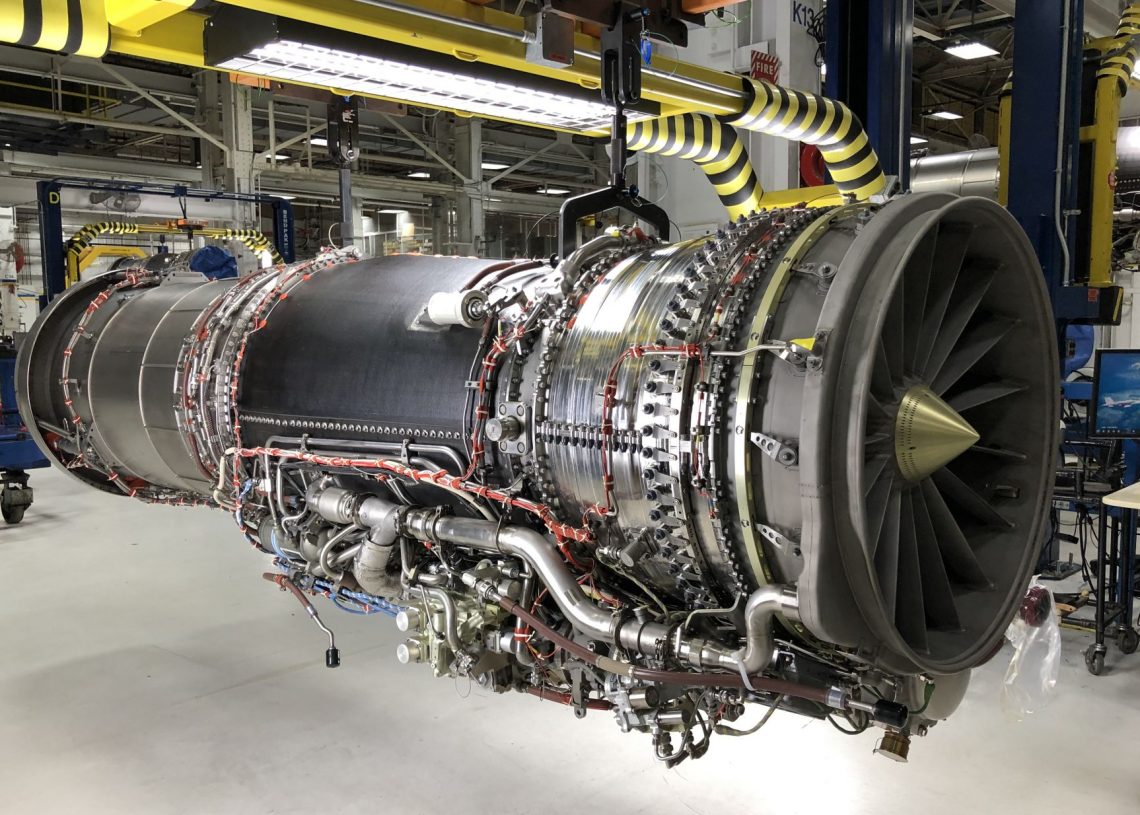
Steam turbines for renewable energy play a crucial role in converting thermal energy from various sources, such as biomass, geothermal, concentrated solar power, and waste-to-energy facilities, into clean and sustainable electricity.
- Introduction
- Overview of the need for renewable energy integration in power plants.
- Challenges in adapting steam turbines for renewable energy sources.
- Design Considerations for Renewable Integration
- Load variability and operational flexibility.
- Managing thermal cycling due to intermittent energy input.
- Role of fast start-up and shut-down capabilities.
- Materials and Manufacturing Innovations
- High-temperature-resistant materials for increased efficiency.
- Advanced coatings to combat oxidation and corrosion.
- Modular design for adaptability to diverse renewable setups.
- Control Systems and Automation
- Adaptive control algorithms for dynamic load adjustment.
- Integration with renewable energy management systems.
- Real-time monitoring and diagnostics.
- Operational Settings and Configurations
- Variable pressure and temperature operation modes.
- Hybrid operation with solar thermal or biomass input.
- Case studies of plants successfully integrating renewables.
- Maintenance and Reliability in Intermittent Operation
- Predictive maintenance techniques.
- Mitigating wear and tear from frequent cycling.
- Upgrades to improve life cycle and reliability.
- Future Trends and Developments
- Potential for hydrogen as a heat source.
- Integration with energy storage systems.
- Development of turbine systems for offshore renewables.
- Conclusion
- Summary of advancements and ongoing challenges.
- Outlook for steam turbines in a renewable energy future.
1. Introduction
Steam turbines for renewable energy are playing a pivotal role in reshaping power generation strategies as the world transitions to renewable sources. Their adaptability for use in solar thermal, biomass, and geothermal plants underscores their significance in the renewable energy landscape. However, integrating steam turbines with variable and often intermittent renewable energy sources requires innovative design and operational strategies to maintain efficiency and reliability.
A key challenge is managing frequent load fluctuations caused by the intermittency of solar and wind energy inputs. Unlike traditional thermal plants operating under steady conditions, renewable setups demand turbines with rapid response capabilities to align with grid demands. Furthermore, these systems face heightened thermal stresses due to frequent cycling between low and high loads, necessitating advanced materials like nickel-based superalloys (e.g., Inconel) and coatings to withstand oxidation and creep at high temperatures.
Another hurdle is the integration of advanced control systems capable of real-time adaptation to renewable input variability. These systems must optimize steam flow and temperature, minimize efficiency losses, and ensure seamless synchronization with other plant components. Addressing these challenges requires a collaborative approach involving material science, control engineering, and operational expertise to unlock the full potential of steam turbines for renewable energy systems.
2. Design Considerations for Renewable Energy Integration
Load Variability and Operational Flexibility
Renewable energy sources like wind and solar introduce irregular power input patterns, demanding that steam turbines for renewable energy operate effectively under partial load conditions. This necessitates design innovations such as variable-speed turbines with sliding pressure operation. Unlike fixed-speed units, these turbines adapt to load variations without compromising efficiency. For example, incorporating advanced bypass systems allows operators to divert steam directly to condensers during low load, maintaining turbine performance and reducing thermal stress. Material advancements play a critical role in flexibility. High-strength steels like 12Cr1MoV or newer alternatives such as T91 and P92 ensure stability under frequent load shifts. Compared to traditional carbon steel, these alloys offer superior creep strength and oxidation resistance, especially under elevated temperatures.Managing Thermal Cycling Due to Intermittent Energy Input
Frequent startup and shutdown cycles in renewable setups expose steam turbines for renewable energy to significant thermal stresses, risking fatigue and material degradation. To address this, turbine designers increasingly rely on nickel-based superalloys such as Inconel 718 and Hastelloy X, which demonstrate exceptional resistance to thermal creep and stress rupture. Moreover, advanced coatings like MCrAlY (metal, chromium, aluminum, yttrium) provide added protection against oxidation and corrosion during high-temperature cycling. Thermal stress management is also supported by advanced rotor designs. Monoblock rotors, made from forged high-alloy steels, outperform traditional welded rotors by reducing stress concentrations at joint interfaces. Additionally, innovative steam path optimization minimizes temperature gradients across the turbine, further reducing thermal fatigue risks.Role of Fast Start-Up and Shut-Down Capabilities
Fast cycling requirements demand steam turbines for renewable energy with minimal start-up times. To achieve this, manufacturers employ technologies such as reheaters with enhanced thermal conductivity and low-thermal-mass casings. Steam chest designs, often fabricated from austenitic steels like TP347H, provide quicker thermal stabilization due to their high heat transfer rates. Control system enhancements, including advanced automation platforms like Siemens’ SPPA-T3000 or ABB’s Symphony Plus, enable precise management of start-up and shut-down sequences. These systems optimize valve actuation and steam flow to reduce thermal shock and mechanical wear, ultimately extending turbine life. By leveraging advanced materials, innovative designs, and robust control systems, modern steam turbines for renewable energy are meeting the demands of renewable energy integration, ensuring reliability and operational efficiency in increasingly dynamic power generation environments.3. Materials and Manufacturing Innovations
High-Temperature-Resistant Materials for Increased Efficiency
Efficiency in steam turbines for renewable energy is highly dependent on the ability to operate at higher temperatures, necessitating materials that can withstand extreme thermal stresses while maintaining mechanical integrity. Traditional martensitic steels, such as 9Cr-1Mo (P91), have been widely used; however, advanced ferritic-martensitic steels like P92 and P122 offer superior creep resistance and durability under sustained high-temperature conditions.
For even higher temperature operations, nickel-based superalloys such as Inconel 617 and Haynes 230 are preferred. These materials exhibit exceptional performance in both oxidation resistance and thermal fatigue, enabling turbines to reach operational temperatures exceeding 700°C. While these alloys are more expensive than steels, their improved thermal efficiency offsets the initial cost in long-term energy production.
Advanced Coatings to Combat Oxidation and Corrosion
Turbines operating in renewable setups, especially those integrated with biomass or geothermal systems, encounter aggressive environments with higher levels of corrosive elements like sulfur and chlorine. Advanced coatings such as MCrAlY (metal-chromium-aluminum-yttrium) have become a standard solution. These coatings protect turbine blades and components by forming a stable oxide layer that resists both high-temperature oxidation and hot corrosion.
Thermal barrier coatings (TBCs) based on yttria-stabilized zirconia (YSZ) further improve component longevity by reducing heat transfer to the substrate, enabling materials to endure higher surface temperatures without failure. In comparison to uncoated materials, TBCs can increase the temperature limit by 100–200°C, significantly enhancing thermal efficiency.
Another innovation is the application of environmental barrier coatings (EBCs) for silicon-based ceramics such as silicon carbide (SiC). These are particularly valuable for next-generation turbines due to their ability to function in extremely high-temperature and corrosive conditions while reducing component weight.
Modular Design for Adaptability to Diverse Renewable Setups
To meet the dynamic requirements of renewable energy systems, turbine manufacturers have adopted modular designs that allow for easy adaptation to different energy inputs, such as solar thermal, geothermal, or biomass. Modular construction leverages pre-fabricated components, often using materials tailored to specific operational needs.
For instance, modular rotors may integrate segments of Inconel 718 for high-stress areas while using cost-effective P92 steel in low-stress zones. Similarly, blade modules can be swapped or upgraded with minimal downtime, ensuring compatibility with evolving energy inputs. This contrasts with traditional monolithic designs, which require extensive customization and retrofitting for changes in operational conditions.
Manufacturing techniques like additive manufacturing (AM) or 3D printing also enhance modularity. Additively manufactured components, such as complex blade geometries made from Hastelloy X, offer superior precision and faster production timelines compared to traditional casting methods. These technologies enable rapid prototyping and on-demand part replacement, making turbines more adaptable to the unique demands of renewable energy systems.
By combining high-performance materials, protective coatings, and modular designs, steam turbines for renewable energy are evolving to meet the challenges of renewable energy integration, ensuring they remain reliable and efficient in increasingly demanding power generation scenarios.
4. Control Systems and Automation
Adaptive Control Algorithms for Dynamic Load Adjustment
The integration of steam turbines for renewable energy systems demands advanced control algorithms capable of dynamic load adjustment. Traditional Proportional-Integral-Derivative (PID) controllers, while effective for steady-state operations, often fall short in managing the rapid load fluctuations introduced by intermittent renewable inputs. Modern control systems utilize model predictive control (MPC) algorithms, which incorporate real-time data and predictive models to anticipate load changes and optimize turbine performance.
For instance, MPC algorithms can adjust valve positions and steam pressure proactively based on grid demand forecasts and renewable energy input patterns. Compared to traditional control methods, these algorithms reduce response time and improve operational efficiency, especially in hybrid plants with solar thermal or wind power integration.
Advanced systems also integrate machine learning models that refine control strategies over time. For example, reinforcement learning algorithms can learn optimal turbine operating conditions based on historical data, enabling better performance in fluctuating environments. These systems often employ high-speed processors with real-time kernel support, such as Siemens S7-1500 PLCs or ABB AC800M controllers, to handle the computational demands of adaptive control.
Integration with Renewable Energy Management Systems
Renewable energy systems, particularly those involving solar or wind, require seamless integration between steam turbines for renewable energy and plant-wide energy management systems (EMS). These systems coordinate multiple energy inputs, ensuring grid stability while maximizing efficiency. Communication protocols like OPC UA (Open Platform
Communications Unified Architecture) enable real-time data exchange between turbines and the EMS, allowing precise adjustments to steam flow and turbine operation.
Hybrid renewable setups benefit from turbine integration with battery storage systems, where control systems dynamically allocate energy between storage and grid supply. For instance, during peak renewable output, excess steam can be diverted to energy storage systems like molten salt or compressed air storage, which can later be utilized during low renewable generation periods.
Control platforms such as GE’s Predix or Siemens’ SPPA-T3000 offer built-in modules for renewable integration, enabling predictive scheduling and optimized dispatch of energy resources. These platforms also incorporate renewable forecasting tools that use weather data and AI to plan turbine operations in advance, ensuring smooth integration with variable energy sources.
Real-Time Monitoring and Diagnostics
The reliability of steam turbines for renewable energy in renewable setups hinges on advanced real-time monitoring and diagnostics systems. These systems employ a network of sensors, including thermocouples, strain gauges, and vibration sensors, to continuously monitor critical parameters such as rotor temperature, blade stress, and vibration levels.
Modern systems use edge computing to process sensor data locally, reducing latency and enabling rapid response to anomalies. For example, temperature deviations in high-stress components, such as rotors made from Inconel 718, can be immediately flagged for corrective action, preventing thermal fatigue and potential failures.
Diagnostic systems often integrate with predictive maintenance platforms using AI-driven analytics. For example, neural networks can analyze vibration patterns to predict bearing wear, while thermal imaging data can identify hotspots indicating impending material degradation. Systems like Honeywell’s Uniformance Suite or Emerson’s Plantweb Optics provide comprehensive dashboards for engineers to monitor turbine performance and schedule maintenance proactively.
A growing trend is the use of digital twins, virtual replicas of physical turbines, to simulate and predict operational behavior. These twins incorporate real-time data from sensors and use advanced simulation tools like ANSYS or MATLAB Simulink to identify potential issues before they occur. Compared to conventional monitoring, digital twins offer a deeper understanding of turbine dynamics, enabling more precise diagnostics and enhanced operational efficiency.
By leveraging adaptive algorithms, seamless EMS integration, and cutting-edge monitoring technologies, modern control systems ensure that steam turbines for renewable energy remain responsive, efficient, and reliable within the context of renewable energy integration.
5. Operational Settings and Configurations
Variable Pressure and Temperature Operation Modes
Steam turbines for renewable energy systems must accommodate fluctuating pressure and temperature conditions without compromising steam turbine efficiency. Variable pressure operation, often implemented through sliding pressure control, allows the turbine to modulate steam pressure based on the availability of energy input from renewable sources. Sliding pressure control eliminates the need for throttling, reducing energy losses and thermal stress on components.
For instance, in solar thermal hybrid plants, the turbine must handle rapid temperature changes due to cloud cover. Materials like P92 steel for boiler tubes and Inconel 718 for high-pressure turbine blades are favored for their excellent creep resistance and thermal stability under such conditions. Compared to standard carbon steel, these materials significantly reduce the risk of stress corrosion cracking during variable load cycles.
Temperature modulation is equally critical. Advanced bypass systems, such as reheater bypass circuits, allow steam flow to bypass high-pressure stages during low load conditions, preventing excessive cooling or heating of turbine components. Compared to older bypass designs, modern systems equipped with rapid-acting valves and high-temperature alloys (e.g., Hastelloy X) provide faster response times and better durability.
Hybrid Operation with Solar Thermal or Biomass Input
Hybrid renewable setups, such as those combining steam turbines with solar thermal collectors or biomass boilers, demand specific operational configurations. Solar thermal integration often requires the turbine to operate efficiently across a wide range of steam qualities due to variations in solar irradiance. Double reheat cycles are increasingly employed in these setups, as they maximize thermal efficiency by extracting more energy from the steam at intermediate pressure levels.
Biomass integration introduces unique challenges, such as dealing with high levels of particulate matter and corrosive compounds in the steam generated from biomass combustion. Turbines in these systems often use high-chromium ferritic steels like Super 304H for critical components, as these materials resist the aggressive chemical environment better than traditional alloys. Advanced steam cleaning systems, including high-efficiency cyclones and ceramic filters, are also used to maintain steam purity and protect turbine internals.
Case Studies of Plants Successfully Integrating Renewables
• Ivanpah Solar Power Facility (USA): This hybrid solar thermal power plant uses steam turbines operating at high efficiency despite intermittent solar input. The turbines, designed with advanced sliding pressure controls and Inconel-clad high-temperature blades, effectively manage variable steam conditions. The facility has demonstrated over 90% availability, a testament to the robustness of its turbine design.
• Waigaoqiao No. 3 Power Plant (China): This coal-and-biomass hybrid plant integrates biomass boilers with ultra-supercritical steam turbines. The turbines operate at 30 MPa and 600°C/620°C, utilizing materials like T91 for superheater tubes and NiCr-based alloys for rotors. This configuration achieves thermal efficiencies above 46%, even with biomass input variability.
• Koeberg Nuclear-Solar Hybrid Project (South Africa): This unique plant integrates solar thermal collectors with a nuclear steam cycle. The turbines operate on a flexible load-sharing configuration, with auxiliary solar input reducing reliance on nuclear fuel. The system employs advanced automation to switch seamlessly between inputs while maintaining turbine performance.
These examples underscore the importance of tailored operational settings, innovative material choices, and advanced configurations in ensuring that steam turbines for renewable energy perform reliably and efficiently. Each case highlights the adaptability of turbine technology to meet the unique demands of integrating diverse renewable energy sources.
6. Maintenance and Reliability in Intermittent Operation
Predictive Maintenance Techniques
Frequent cycling in steam turbines for renewable energy integration imposes significant stress on steam turbines, necessitating predictive maintenance strategies to pre-empt failures. Predictive maintenance leverages condition monitoring technologies, such as vibration analysis, thermography, and acoustic emissions. For instance, vibration sensors mounted on turbine shafts provide real-time data on imbalances or misalignments that develop due to thermal cycling.
Advanced predictive systems incorporate machine learning algorithms trained on historical operational data. These models identify patterns indicative of potential failures, such as early-stage bearing degradation or rotor misalignment. For example, SKF’s Enlight AI-driven monitoring system has demonstrated improved accuracy in predicting component wear compared to traditional rule-based systems.
Non-destructive testing (NDT) techniques, including phased-array ultrasonic testing (PAUT) and eddy current testing, play a critical role in inspecting high-stress components like turbine blades and rotors. PAUT is particularly effective for detecting subsurface cracks in materials such as Inconel 718, where high thermal loads and cycling stresses are common.
Mitigating Wear and Tear from Frequent Cycling
Frequent start-stop cycles and variable load conditions accelerate wear and tear on steam turbines for renewable energy, particularly in components like bearings, seals, and blades.
The adoption of advanced materials has mitigated some of these challenges. For example:
• Blades: Titanium alloys, such as Ti-6Al-4V, offer a high strength-to-weight ratio and excellent fatigue resistance, reducing stress during thermal cycling.
• Bearings: High-performance ceramic bearings, often made from silicon nitride (Si3N4), withstand higher loads and temperatures than steel bearings, extending operational life.
• Seals: Dry gas seals with carbon composites minimize leakage and reduce wear compared to traditional labyrinth seals.
Thermal gradients during cycling can lead to cracking in rotors and casings. To mitigate this, manufacturers employ pre-warming systems to maintain a minimum baseline temperature during idle periods, reducing thermal shock. Additionally, using advanced stress-relief heat treatments during manufacturing enhances the durability of high-pressure casings and rotors made from alloys like 12CrMoV.
Upgrades to Improve Life Cycle and Reliability
Retrofits and upgrades can significantly enhance the reliability and lifespan of steam turbines for renewable energy systems operating in intermittent conditions. Key upgrades include:
• Advanced Coatings: Applying thermal barrier coatings (TBCs) to turbine blades improves resistance to thermal fatigue. Yttria-stabilized zirconia (YSZ) coatings can extend blade life by up to 40% under extreme cycling conditions.
• Improved Steam Path Designs: Replacing older blade designs with aerodynamically optimized profiles improves efficiency and reduces flow-induced vibration, lowering the risk of fatigue failures.
• High-Capacity Bearings: Retrofitting with hybrid ceramic bearings reduces downtime due to bearing failures, especially in turbines experiencing frequent start-stop cycles.
• Control System Enhancements: Upgrading control systems with adaptive algorithms and real-time monitoring enhances response to load fluctuations, minimizing mechanical stress.
Case in Point: Retrofitting for Cycling Durability
At a biomass and solar hybrid plant in Europe, the transition to renewable integration caused an increase in cycling frequency, leading to rotor cracking and blade wear. Retrofitting the turbines with Inconel 718 rotors and TBC-coated blades reduced maintenance costs by 25% and improved reliability metrics such as mean time between failures (MTBF) by 30%. The plant also adopted a cloud-based predictive maintenance platform, enabling real-time diagnostics and proactive interventions.
Balancing Costs and Benefits
While these upgrades and techniques enhance turbine reliability, they also come with higher initial costs. Engineers must conduct a detailed cost-benefit analysis, considering factors like the lifecycle cost of new materials (e.g., ceramic bearings vs. steel bearings) and the operational advantages of predictive maintenance systems. By adopting a tailored maintenance strategy, plants can ensure long-term efficiency and reliability, even under the demands of intermittent renewable energy operation.
7. Future Trends and Developments
Potential for Hydrogen as a Heat Source
Hydrogen is emerging as a viable heat source for steam turbines in renewable energy systems due to its potential for clean combustion and high energy density. In contrast to conventional fuels, hydrogen combustion produces only water vapor, eliminating carbon emissions. This aligns with decarbonization goals in power generation, positioning steam turbines as a key technology in renewable energy generation.
Modern hydrogen-fired steam turbines require significant adaptations to accommodate the unique properties of hydrogen, such as its low ignition energy and high flame speed. Burner designs have been modified to prevent flashback and ensure stable combustion under varying load conditions. Materials like Hastelloy X, known for its exceptional resistance to high-temperature oxidation, are being employed in hydrogen combustors and heat exchangers.
Another challenge is hydrogen embrittlement, where hydrogen atoms penetrate metal structures, causing microcracks. To counteract this, advanced alloys such as Inconel 718 and ferritic stainless steels are used for components like turbine blades and rotors. These materials demonstrate superior resistance to hydrogen-induced damage compared to traditional carbon steels.
Hydrogen’s integration with existing natural gas infrastructure presents a hybrid approach for steam turbines, where co-firing hydrogen with natural gas reduces emissions while maintaining operational stability. Research is ongoing into 100% hydrogen-fueled systems, with companies like Mitsubishi Power and Siemens Energy leading the development of turbines capable of handling such demands.
Integration with Energy Storage Systems
Steam turbines are increasingly being coupled with energy storage systems (ESS) to address the intermittency of renewable energy sources. Thermal energy storage (TES), using molten salts or phase change materials, enables turbines to operate even during periods of low renewable input by providing a steady heat supply. For example, molten salt TES systems, as used in Concentrated Solar Power (CSP) plants, can store heat at temperatures exceeding 565°C, ensuring efficient turbine operation in renewable energy systems.
Another promising approach is the integration of steam turbines with battery storage systems. Hybrid setups allow turbines to compensate for renewable output fluctuations by dynamically adjusting load and steam flow. Energy management systems (EMS) optimize this interaction, ensuring that turbines operate within their ideal efficiency range while batteries handle rapid grid demand changes.
Compressed air energy storage (CAES) is another ESS type gaining traction. In hybrid systems, turbines can utilize heat from compressed air expansion to produce steam, improving overall system efficiency. Advanced CAES systems, combined with supercritical steam turbines, are being tested for grid-scale renewable integration, offering high efficiency and rapid response times for renewable energy applications.
Development of Turbine Systems for Offshore Renewables
The rapid growth of offshore renewable energy, particularly wind power, has driven interest in steam turbines designed for offshore applications. Offshore wind farms often use surplus wind energy to power electrolysis for hydrogen production, which can then be used as a heat source for steam turbines. This integration requires turbines to be compact, lightweight, and corrosion-resistant to withstand harsh marine environments.
Marine-grade stainless steels, such as duplex 2205, are commonly used in these turbines for their resistance to saltwater corrosion and high mechanical strength. In addition, protective coatings like aluminum-based thermal sprays are applied to critical components to enhance durability in offshore renewable energy systems.
Offshore thermal energy storage is another emerging concept. In such systems, surplus renewable energy is stored as thermal energy in seabed-mounted storage units. Steam turbines can then convert this stored energy into electricity during periods of low wind or solar output, further enhancing the reliability of renewable energy sources. Advanced subsea turbines, equipped with modular designs for easy maintenance and deployment, are under development to support these innovative setups.
8. Conclusion
Steam turbines remain pivotal in the transition to renewable energy, with recent advancements addressing the challenges of intermittent energy sources and diverse integration requirements. Innovations in materials, such as high-temperature-resistant alloys like Inconel 718 and advanced coatings like yttria-stabilized zirconia, have enhanced durability and efficiency under fluctuating operational conditions. Developments in control systems, including adaptive algorithms and real-time monitoring, have significantly improved responsiveness and reliability.
Despite these advancements, challenges persist. Thermal cycling-induced wear, hydrogen embrittlement, and the complexities of offshore integration require ongoing research and development. The need for cost-effective retrofits and sustainable manufacturing practices further complicates the path forward.
The outlook is promising as technologies like hydrogen-fired turbines, energy storage integration, and offshore renewable systems evolve. By addressing these challenges, steam turbines will continue to play a critical role in achieving a reliable, efficient, and carbon-neutral energy landscape. Their adaptability ensures they remain a cornerstone in the renewable energy future.


