
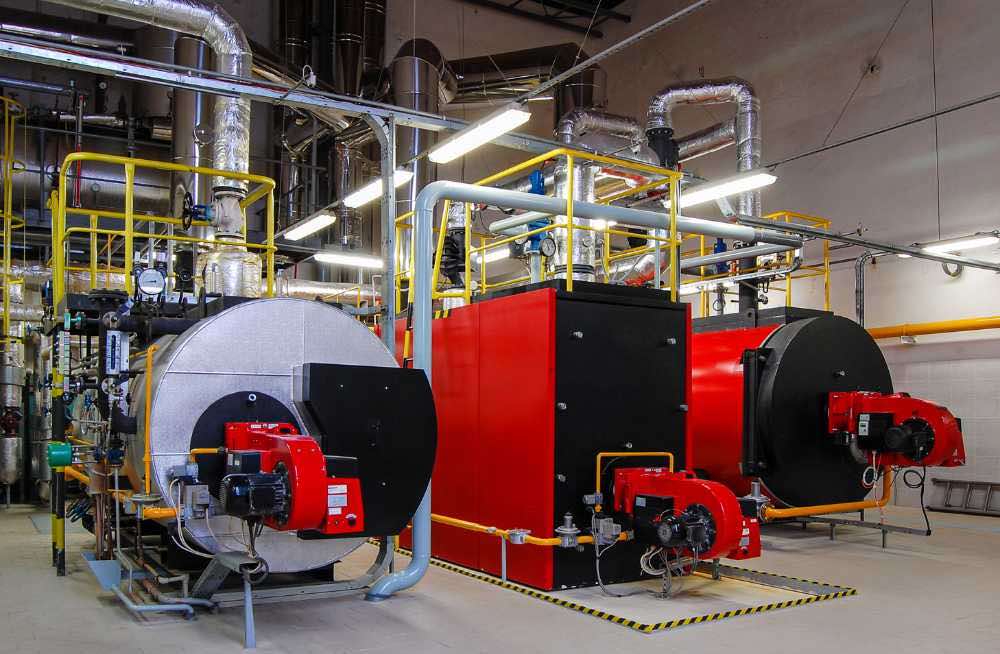
Modular Boilers are a significant advancement in boiler technology. These systems consist of multiple smaller, independent boiler units that operate together, unlike traditional single-unit (monolithic) boilers. Their pre-engineered and often skid-mounted design allows for quick installation. Scalability is a key benefit, as more modules can be easily added to meet increasing heating demands.
Table of Contents
- Introduction
- Overview of Modular Boiler Systems
- Importance in Modern Power Plants
- Advantages of Modular Boiler Systems
- Ease of Installation
- Scalability and Flexibility
- Cost Efficiency in Retrofitting
- Reduced Downtime During Replacement
- Key Design Features of Modular Boiler Systems
- Compact and Space-Saving Architecture
- Pre-Engineered Modules for Customization
- Integration with Existing Systems
- Engineering and Operational Benefits of Modular Boiler Systems
- Improved Energy Efficiency
- Enhanced Reliability and Redundancy
- Simplified Maintenance and Repairs
- Modular Boiler Systems Vs Traditional Boiler Systems
- Installation Process and Timeline
- Operational Efficiency
- Long-Term Cost Benefits
- Considerations for Engineers and Consultants
- Factors to Evaluate Before Replacement
- Selection Criteria for Modular Systems
- Compliance with Industry Standards
- Future Trends in Modular Boiler Technology
- Innovations in Design and Manufacturing
- Role in Supporting Renewable Energy Integration
- Conclusion
- Summary of Benefits
- Call to Action for Engineers and Consultants
1. Introduction
Overview of Modular Boiler Systems
Modular boiler systems represent a paradigm shift in boiler design and deployment. Unlike traditional monolithic boilers, modular systems are composed of multiple smaller, self-contained boiler units working in tandem. These units are pre-engineered, pre-assembled, and often skid-mounted, ensuring rapid on-site installation. The modular design allows for scalability, as additional modules can be incorporated seamlessly to match growing demand.
The primary materials used in modular boiler systems include high-grade carbon steel for durability and pressure resistance, stainless steel for components in corrosive environments, and advanced alloys such as Inconel in high-temperature applications. Heat exchangers, typically constructed from copper or aluminum, ensure efficient heat transfer and minimal thermal losses. Compared to conventional designs, modular boilers achieve higher efficiencies, often exceeding 95%, due to optimized combustion controls and advanced heat recovery systems.
Importance in Modern Power Plants
Modern power plants demand systems that balance efficiency, flexibility, and environmental compliance. Modular boiler systems are pivotal in meeting these demands. Their compact, space-saving design is particularly beneficial in facilities where floor space is at a premium. Additionally, their ability to operate independently or as part of an integrated system provides enhanced redundancy and operational reliability.
In terms of installation, modular boilers significantly reduce downtime during replacements. Traditional boilers often require extensive on-site fabrication and weeks of assembly, whereas modular units arrive pre-assembled, cutting installation time by 50% or more. This reduction directly translates into minimized operational disruptions and cost savings.
Furthermore, modular systems align with evolving industry trends such as load-following capability, essential for plants integrating renewable energy sources. With precise control systems and rapid start-up times, these boilers efficiently handle fluctuating loads, ensuring consistent steam supply while reducing fuel wastage and emissions. By adopting modular boiler systems, engineers and consultants position their plants to meet future operational and regulatory challenges with confidence.
2. Advantages of Modular Boiler Systems
Ease of Installation
The design philosophy behind modular boiler systems prioritizes streamlined installation. Unlike conventional boilers, which often require weeks of on-site fabrication and assembly, modular systems arrive pre-engineered and skid-mounted. These units integrate key components—such as burners, pumps, and control systems—on a single, compact frame, minimizing the need for complex assembly.
For example, materials like ASTM A516 Grade 70 carbon steel are often used for pressure vessels due to their high tensile strength and weldability, while stainless steel (e.g., 316L) is employed in piping and fittings to resist corrosion in harsh conditions. The precision manufacturing of modular components ensures compatibility and eliminates the variability associated with on-site fabrication. As a result, installation time can be reduced by as much as 60% compared to traditional systems, saving valuable resources and labor.
Scalability and Flexibility
One of the hallmark advantages of modular systems is their inherent scalability. Unlike single-unit boilers that require significant overhauls to increase capacity, modular systems can easily expand by adding additional units. For instance, a plant initially requiring 50,000 pounds per hour (PPH) of steam might install five 10,000 PPH modules, with the flexibility to add more as demand increases.
This modularity also enhances operational flexibility. Operators can shut down individual units during low-load periods, improving efficiency and reducing wear on equipment. The ability to mix and match modules with varying capacities and firing rates further allows engineers to optimize the system for specific operational profiles.
Cost Efficiency in Retrofitting
Retrofitting plants with modular boilers offers cost advantages over traditional replacements. By utilizing standardized components—such as ASME-certified pressure vessels and advanced combustion controls—plants can upgrade incrementally, spreading out capital expenditures. Retrofitting with modular systems also avoids the need for extensive structural modifications, as the compact design fits easily into existing spaces. Compared to the high upfront costs and extended downtime of replacing a monolithic boiler, modular systems provide a cost-effective alternative.
Reduced Downtime During Replacement
Downtime is a critical factor in plant operations, directly impacting profitability. Traditional boiler replacement often requires weeks—or even months—of downtime due to lengthy installation and commissioning processes. Modular systems mitigate this issue by enabling phased installations. New modules can be installed and commissioned while existing boilers continue to operate, ensuring an uninterrupted steam supply.
Additionally, the modular design facilitates quick replacements of individual units without the need for large-scale dismantling. For example, in the event of a failure, a damaged module can be swapped out in hours rather than days, thanks to standardized connections and interfaces. This rapid replacement capability is particularly beneficial in industries where uninterrupted operation is non-negotiable.
By addressing these critical aspects—installation, scalability, cost, and downtime—modular boiler systems offer a practical, efficient, and future-ready solution for engineers and consultants seeking to optimize their plant operations.
3. Key Design Features of Modular Boiler Systems
Compact and Space-Saving Architecture
Modular boiler systems are engineered with a compact design, making them ideal for facilities where space is a critical constraint. The boiler units are typically skid-mounted, with components such as pressure vessels, burners, pumps, and control systems integrated into a single footprint. This minimizes the need for additional infrastructure, such as external piping and supports.
High-grade materials, like ASTM A387 Cr-Mo alloy steel, are often used for components operating under high pressure and temperature, ensuring durability in constrained spaces. Additionally, advanced insulation materials, such as calcium silicate or ceramic fiber, reduce heat loss while maintaining a compact design. Compared to traditional boilers, which may require expansive mechanical rooms, modular systems can be installed in smaller areas without sacrificing performance. For retrofitting projects, this space efficiency often eliminates the need for structural modifications, further streamlining the process.
Pre-Engineered Modules for Customization
The modular design includes pre-engineered components, allowing for extensive customization while maintaining standardized manufacturing processes. Engineers can specify key parameters such as pressure ratings, steam output, and burner configurations, ensuring that the system meets exact operational requirements. For example, modular boilers frequently incorporate low-NOx burners, utilizing advanced materials like Inconel for the burner nozzles to withstand high temperatures and resist oxidation, thereby ensuring long-term reliability.
The ability to pre-engineer modules also simplifies quality assurance. Each unit is rigorously tested before shipping, ensuring compliance with ASME Section I standards and other industry regulations. This contrasts with field-fabricated systems, which are prone to variability and require extensive on-site testing. The result is a system that integrates seamlessly with minimal commissioning time.
Integration with Existing Systems
One of the standout features of modular boiler systems is their compatibility with existing plant infrastructure. The modular approach enables straightforward integration into facilities with diverse operational needs. For example, modular boilers can be connected to legacy control systems through modern communication protocols such as Modbus, BACnet, or OPC UA, ensuring seamless data exchange and centralized monitoring.
Hydronic piping systems in modular boilers are typically constructed from stainless steel (e.g., ASTM A312 316/316L) to provide excellent corrosion resistance and compatibility with varied water chemistries. Modular designs also include advanced economizers made from finned carbon steel or stainless steel tubes, maximizing heat recovery and reducing fuel consumption without requiring significant changes to existing flue gas systems.
When integrated into plants employing cogeneration or renewable energy systems, modular boilers enhance overall efficiency. For instance, they can complement waste heat recovery units by providing supplemental steam during peak loads, ensuring consistent energy production. This interoperability positions modular systems as a versatile solution for both greenfield and brownfield projects.
By combining space-saving architecture, customizable pre-engineered modules, and seamless integration with existing systems, modular boiler systems offer engineers and consultants a robust and adaptable solution tailored to modern power plant demands.
4. Engineering and Operational Benefits of Modular Boiler Systems
Improved Energy Efficiency
One of the defining characteristics of modular boiler systems is their superior energy efficiency, achieved through advanced design and operational strategies. Modern modular boilers are equipped with high-efficiency burners and precision controls, allowing for optimized fuel-to-steam conversion. Burners often incorporate low-NOx technology, utilizing materials like Inconel 625 for burner components to withstand high temperatures and reduce pollutant formation. This design achieves up to 5-10% greater fuel efficiency compared to traditional boiler systems.
Additionally, modular boilers often feature integrated economizers made from finned stainless steel or copper tubes, designed to recover waste heat from exhaust gases. This recovered heat pre-warms the feedwater, reducing the energy required for steam generation. Advanced economizers can improve overall system efficiency by up to 7%, translating into significant cost savings over the boiler’s lifecycle.
The modular setup also allows operators to scale boiler output to match demand precisely, reducing energy waste during low-load periods. By cycling individual modules on or off, plants can avoid the inefficiencies associated with operating a single oversized boiler at partial load.
Enhanced Reliability and Redundancy
Reliability and redundancy are critical in power plants where downtime directly impacts revenue and operational stability. Modular boilers address these challenges through their multi-unit design, which inherently provides redundancy. If one module requires maintenance or fails unexpectedly, the remaining units can continue operation, ensuring uninterrupted steam supply. This is a significant advantage over traditional single-unit boilers, where a failure typically results in total system downtime.
Materials play a key role in enhancing reliability. For instance, pressure vessels in modular boilers are often constructed from ASTM A516 Grade 70 carbon steel, known for its exceptional strength and durability under high-pressure conditions. Piping and valves typically use stainless steel (316/316L) for its corrosion resistance and longevity, even in aggressive feedwater environments.
Furthermore, modular boilers are equipped with advanced control systems that use predictive algorithms to identify potential issues before they escalate. Integration with monitoring technologies, such as vibration analysis or thermal imaging, allows engineers to proactively address wear and tear, minimizing unexpected failures.
Simplified Maintenance and Repairs
Maintenance and repair operations are streamlined in modular boiler systems due to their design and construction. Individual modules are accessible and can be isolated for servicing without disrupting the operation of the entire system. This modular approach significantly reduces maintenance downtime compared to traditional boilers, where repairs often require complete system shutdowns.
Key components such as burners, pumps, and control panels are designed for quick replacement or refurbishment. Burners, often fabricated with replaceable stainless steel or ceramic components, can be serviced or upgraded without extensive disassembly. Similarly, modular boilers frequently utilize cartridge-style heat exchangers made from copper or high-performance alloys, allowing for straightforward removal and cleaning.
Standardization of parts across modules further simplifies inventory management and reduces maintenance costs. Engineers can stock fewer spare parts while maintaining readiness for repairs. Advanced diagnostics integrated into modular boilers’ control systems provide real-time feedback on performance, enabling predictive maintenance strategies that minimize unplanned outages.
By delivering improved energy efficiency, enhanced reliability, and simplified maintenance, modular boiler systems provide engineers with a robust solution tailored to the demands of modern power plants, ensuring operational excellence and long-term sustainability.
5. Modular Boiler Systems vs. Traditional Boiler Systems
Installation Process and Timeline
The installation process for modular boiler systems is fundamentally different from that of traditional boiler systems, offering significant time and labor advantages. Modular boilers are designed as pre-engineered, skid-mounted units, enabling rapid on-site placement and connection. For example, each module typically includes pre-installed burners, pumps, and control systems, reducing the need for extensive on-site assembly and piping.
In contrast, traditional boilers often require custom fabrication and assembly at the installation site. This process involves welding pressure vessels, aligning burners, and installing control panels, which can take weeks or even months, depending on the system’s complexity. Moreover, traditional systems often necessitate additional infrastructure, such as large boiler rooms, increasing project timelines.
Materials also play a role in streamlining modular boiler installation. Modular systems often use lightweight yet durable materials, such as carbon steel (ASTM A516) for pressure vessels and stainless steel (316L) for piping, which are easier to handle and install compared to the bulkier components of traditional boilers. As a result, modular boilers can cut installation timelines by 40–60%, significantly reducing downtime and associated costs.
Operational Efficiency
Modular boiler systems deliver superior operational efficiency compared to traditional designs, particularly in dynamic load scenarios. Modular units operate independently, allowing for precise scaling of steam production based on real-time demand. This eliminates the inefficiencies of running a single oversized boiler at partial load, a common issue with traditional systems.
Burner technology in modular boilers also contributes to enhanced efficiency. Many modern modular units employ low-NOx burners with advanced combustion controls, achieving thermal efficiencies exceeding 95%. Traditional boilers, especially older models, often lack such sophisticated controls and operate at lower efficiencies, typically in the 80–85% range.
Heat recovery features further distinguish modular boilers. Integrated economizers and condensate recovery systems are standard in modular designs, constructed from materials like finned copper or stainless steel for high thermal conductivity and durability. Traditional systems often require retrofitting to achieve similar capabilities, adding to operational complexity and cost.
Long-Term Cost Benefits
Over the long term, modular boiler systems provide significant cost advantages in both operation and maintenance. Their scalability reduces upfront capital expenditures by allowing plants to start with only the necessary capacity and expand incrementally. Traditional boilers, by contrast, often require oversized initial installations to accommodate future growth, leading to higher initial costs.
Maintenance is another area where modular systems excel. The modular design allows individual units to be serviced or replaced without disrupting plant operations, minimizing costly downtime. For instance, components such as burners and heat exchangers are often standardized across modules, simplifying inventory management and reducing spare part costs. Traditional boilers, with their larger single-unit construction, require more extensive and time-consuming maintenance, which can result in higher labor costs and extended downtime.
Fuel consumption is also more cost-effective with modular boilers. Their ability to cycle on and off based on demand reduces fuel wastage, whereas traditional boilers tend to operate continuously, even at low loads, leading to unnecessary energy expenses. Combined with their higher efficiency and lower emissions, modular systems provide a compelling return on investment over their lifecycle.
6. Considerations for Engineers and Consultants
Factors to Evaluate Before Replacement
When considering the replacement of an existing boiler with a modular boiler system, engineers and consultants must evaluate a range of factors to ensure the solution aligns with the plant’s operational requirements and constraints.- Capacity Requirements: Assessing the plant’s current and projected steam demands is crucial. Modular boiler systems offer scalability, allowing for phased installations that accommodate future growth. For instance, a plant requiring 75,000 PPH of steam could start with five 15,000 PPH modules and expand as needed, avoiding the upfront expense of overcapacity common with traditional boilers.
- Space Constraints: Modular boilers are ideal for facilities with limited space due to their compact design. Materials like ASTM A516 carbon steel for pressure vessels and 316L stainless steel for piping ensure durability while minimizing overall size. Engineers should evaluate the physical footprint of the system against available plant space to determine feasibility.
- Fuel Type and Efficiency Goals: Modular boilers can be configured for various fuels, including natural gas, oil, and biomass. The choice of burner technology, such as low-NOx burners constructed from Inconel 625, plays a significant role in achieving efficiency and meeting emissions targets.
- Integration with Existing Systems: Engineers must examine how a modular boiler will interface with current infrastructure, including piping, controls, and monitoring systems. Compatibility with protocols like Modbus or OPC UA ensures seamless data communication.
Selection Criteria for Modular Systems
Selecting the right modular boiler system involves balancing technical specifications, operational goals, and long-term costs.- Material Quality: Pressure vessels should be fabricated from high-strength materials like ASTM A387 Cr-Mo alloy steel for applications requiring high-temperature resistance. Heat exchangers and economizers should use finned copper or stainless steel for optimal heat transfer and durability.
- Efficiency Metrics: Look for systems with a thermal efficiency of 95% or higher, often achieved through advanced combustion controls and integrated heat recovery features. Compare these metrics to traditional systems to validate the modular boiler’s advantages.
- Load Flexibility: The system should handle variable loads efficiently, with the ability to cycle individual modules on and off without sacrificing performance. This is particularly important for facilities with fluctuating steam demands.
- Manufacturer Support: Evaluate the availability of technical support, spare parts, and warranties. Modular systems with standardized components simplify maintenance and reduce downtime, but strong after-sales service is essential for long-term reliability.
Compliance with Industry Standards
Ensuring compliance with industry standards is a critical step when implementing modular boiler systems. Engineers and consultants should confirm that the system adheres to the following:- ASME Boiler and Pressure Vessel Code (BPVC): Modular boilers must comply with ASME Section I for power boilers, ensuring safety and performance under high-pressure conditions.
- Environmental Regulations: Systems should meet or exceed local emissions standards, such as EPA Tier 4 or equivalent, which often require low-NOx burners and other emission control technologies.
- Energy Efficiency Standards: Look for systems that meet energy efficiency certifications like ENERGY STAR or local equivalents, as these not only reduce operational costs but may also qualify the facility for tax incentives or grants.
- Plant-Specific Requirements: In industries such as food processing or pharmaceuticals, modular boilers may need to meet additional certifications, such as FDA-compliant materials for steam purity.
7. Future Trends in Modular Boiler Technology
Innovations in Design and Manufacturing
The modular boiler industry is rapidly evolving, with innovations focused on enhancing efficiency, sustainability, and adaptability. One notable trend is the integration of additive manufacturing (3D printing) in the production of critical components. Materials such as Inconel 718 and Hastelloy are increasingly used in printed burner nozzles and heat exchanger components due to their exceptional strength and resistance to high temperatures and corrosion. This approach reduces manufacturing time and material waste while improving component reliability.
Another significant development is the use of advanced thermal coatings like ceramic and yttria-stabilized zirconia on internal surfaces to reduce heat loss and improve efficiency. These coatings are particularly beneficial in applications requiring high thermal loads, allowing boilers to maintain peak performance with minimal maintenance.
Manufacturers are also adopting modular smart systems, integrating IoT-enabled sensors and AI-based diagnostics. These systems monitor real-time parameters such as steam output, fuel consumption, and emissions, enabling predictive maintenance and optimizing performance. For instance, AI algorithms can identify patterns of wear in components like economizers and recommend proactive replacements, minimizing unexpected downtimes.
Role in Supporting Renewable Energy Integration
Modular boilers are poised to play a critical role in supporting renewable energy integration within hybrid energy systems. By serving as a reliable backup to intermittent renewable sources like wind and solar, modular boilers provide on-demand steam generation to stabilize grid operations.
Hydrogen-compatible modular boilers are a growing area of interest. The transition to hydrogen as a cleaner fuel alternative requires robust materials like nickel-based alloys (e.g., Incoloy 800H), which can withstand the unique thermal and chemical properties of hydrogen combustion. Similarly, biogas-ready modular systems are gaining traction, utilizing low-emission burners designed to handle varying fuel qualities.
Moreover, modular boiler systems are increasingly paired with waste heat recovery setups to enhance overall system efficiency. By capturing and utilizing waste heat from industrial processes or renewable energy systems, these boilers reduce fuel consumption and carbon footprints, aligning with global decarbonization goals.
8. Conclusion
The adoption of modular boilers offers a multitude of advantages for modern power plants, including faster installation, enhanced operational efficiency, and significant long-term cost savings. Their scalability and compact design make them ideal for facilities with varying steam demands or limited space, while their advanced materials and technologies ensure durability and compliance with stringent industry standards. Additionally, modular boilers provide exceptional redundancy and flexibility, reducing downtime and increasing system reliability.
The innovations in modular boiler technology, including smart systems, advanced manufacturing, and renewable energy integration, position them as a future-ready solution for power plants aiming to optimize performance and sustainability.


